View Charts
Why Do Coins Have Reeded Edges?
 0
0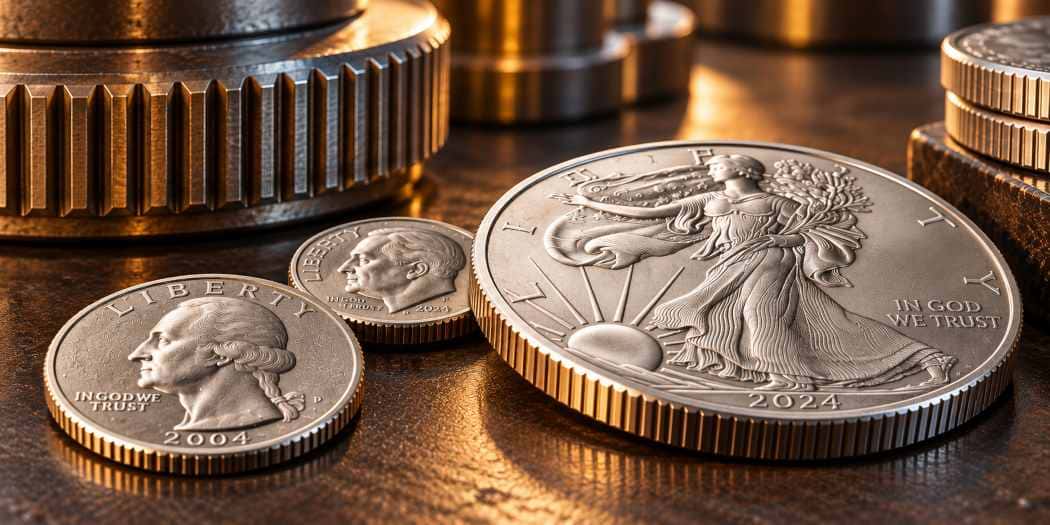
A Familiar Detail With an Unexpected Purpose
The narrow grooves running around the edges of dimes and quarters are so familiar that they can seem purely decorative. Known as reeds, however, they descend from a period when the physical construction of a coin was inseparable from its monetary value. Gold and silver coins once circulated with substantial value contained in the metal itself, creating an opportunity for fraud: remove a small amount of precious metal from enough coins, save the fragments, and continue spending the altered pieces at their original denominations. A patterned edge helped expose that practice by making changes to a coin's circumference easier to see.
That original problem has largely disappeared from everyday U.S. coinage, but the solution survived. Reeded edges remained even after circulating coins moved away from precious-metal compositions, becoming part of the physical identity of certain denominations. Modern minting has taken the idea further. On some bullion coins, variations in the reeded edge can once again serve a security purpose—this time against counterfeiting rather than clipping.
Coin Clipping Turned the Edge Into a Vulnerability
Before mechanized minting became standard, European coins were commonly produced by placing metal between engraved dies and striking it manually. These hammered coins could vary in shape and diameter, which created a particular weakness for gold and silver money. If the circumference was already irregular, determining whether someone had deliberately removed a small amount of precious metal could be difficult. The transition from hammered production to more precise machinery was part of the broader evolution of coin minting techniques, which eventually gave mints much greater control over a coin's dimensions and edge.
The practice became known as coin clipping. A clipper could trim metal from the perimeter of a silver or gold coin, retain the removed material, and attempt to return the lighter coin to circulation. Earlier designs sometimes extended important elements toward the perimeter so aggressive clipping would be more noticeable, but the underlying weakness remained: without a standardized circumference, there was no consistent edge pattern whose disruption immediately revealed missing metal.
Machine-made coinage offered a better defense. Mints could produce coins with greater consistency in diameter, thickness, weight, and shape while giving their edges deliberate patterns or inscriptions. Reeding did not physically prevent someone from removing metal; instead, it made the alteration much harder to conceal. Advances in minting had transformed the edge from an irregular consequence of production into an intentionally manufactured part of the coin.
Milled Coinage Changed More Than Appearance
Britain provides a clear example of this transition. Machine-struck, or milled, coinage expanded during the seventeenth century as authorities sought more consistent alternatives to hammered money. Grooved edges could reveal interference with a coin's circumference, while some issues used edge inscriptions for a similar purpose. The famous phrase Decus et Tutamen, generally translated as “an ornament and a safeguard,” captured the concept neatly: the edge could contribute to a coin's appearance while helping demonstrate that its perimeter remained intact.
This history is sometimes simplified into the claim that Isaac Newton invented reeded coin edges. Newton was deeply involved in Britain's campaign against clipping and counterfeiting after becoming Warden of the Royal Mint in 1696, and he later became Master of the Mint. Milled coins and protected edge treatments, however, predated his tenure. His importance lies in the broader effort to restore confidence in British coinage rather than in inventing reeding.
The larger innovation was mechanization itself. As mints gained tighter control over weight, diameter, strike, and shape, the circumference became another surface that could be deliberately engineered. Once that happened, an edge could expose clipping, carry inscriptions or patterns, and eventually become a recognizable feature of a denomination.
How Modern Coins Receive Their Reeded Edges
Modern coin production preserves the concept with far more sophisticated machinery. During striking, a prepared planchet is positioned between the obverse and reverse dies while a collar surrounds its circumference. As pressure forces metal into the dies, the planchet also expands outward against the collar. When that collar contains the appropriate pattern, it helps form the reeds while controlling the finished coin's diameter.
The process also highlights an important distinction in coin terminology. According to the U.S. Mint's Anatomy of a Coin, the edge is the outer border of a coin and may be plain, reeded, lettered, or decorated, while the rim is the raised portion surrounding the design on each side. A coin can therefore have raised rims and a plain, reeded, lettered, or otherwise patterned edge.
For collectors, these manufacturing details have practical value. Weight, diameter, thickness, rims, and expected edge treatment all form part of a coin's physical specifications. An unusual edge can sometimes help identify an error, alteration, variety, or counterfeit, although it should never be treated as definitive authentication on its own.
Why Are Some Coins Reeded While Others Are Smooth?
If reeding originally protected valuable metal, why do U.S. dimes and quarters still have grooves while pennies and nickels remain smooth? Today's circulating quarter does not contain silver worth shaving from its perimeter, so the original economic reason for reeding no longer applies.
The answer is largely historical continuity. Edge treatments became established characteristics of particular denominations and survived even as their compositions changed. U.S. dimes and quarters retained their familiar reeded edges when silver was removed from regular circulating versions beginning in 1965, while cents and nickels continued with plain edges. Those differences also give denominations distinct tactile characteristics alongside their size, thickness, color, and designs.
Reeding therefore should not be interpreted as proof that a coin contains precious metal or is inherently more secure. Modern mints can choose plain surfaces, continuous or interrupted reeds, lettering, and specialized patterns depending on the purpose of an issue. The connection to historic gold and silver coinage remains important, but the modern edge can perform several different functions.
From Preventing Clipping to Fighting Counterfeits
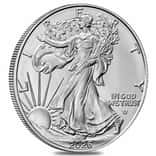
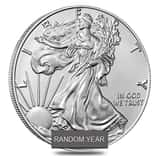
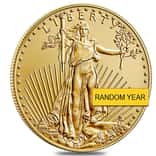
The American Silver Eagle demonstrates how an old concept can acquire a new security role. When the U.S. Mint introduced the redesigned Type 2 Silver Eagle in 2021, it incorporated what the Mint describes as a “reeded edge variation” among the coin's enhanced security features. The feature remains part of current Silver Eagle production; the Mint's 2026 Silver Eagle specifications, for example, identify an anti-counterfeit reeded edge variation as an enhanced security feature.
The concern is no longer that someone will shave silver from the edge and spend the altered coin. Instead, the construction of the edge becomes another characteristic that counterfeiters must reproduce accurately. For buyers and collectors of Silver Eagles, the edge therefore connects one of the oldest forms of coin protection with a distinctly modern concern: confirming that a precious-metal coin conforms to the specifications of the genuine issue.
The threat has changed, but the principle remains recognizable. A merchant centuries ago could inspect an edge for evidence that precious metal had been removed; a modern collector can examine a bullion coin's physical characteristics for evidence that it conforms to the genuine issue. In both cases, the circumference provides information about the integrity of the coin.
That evolution helps explain why reeded edges outlived the monetary system that produced them. What began as protection against removing actual gold and silver became a familiar feature of circulating coinage, a physical distinction between denominations, a useful characteristic for collectors, and eventually a tool that could again contribute to coin security. The grooves around a quarter may be easy to overlook, but they preserve a direct connection between today's coins and the centuries-old effort to make physical money more difficult to alter or imitate.
Related reading you may find interesting:
What Makes a Coin a Key Date?
Why Are Some Silver Dimes Worth More Than Silver Quarters?