View Charts
What is the Spot Price of Gold and How is it Determined?
 0
0
Gold has been a symbol of wealth and a store of value for millennia. For investors and collectors alike, understanding the spot price of gold is essential. The spot price is the current price at which gold can be bought or sold for immediate delivery. This article will delve into what the spot price of gold is, how it is determined, and why it matters for both investors and the broader financial market.
Understanding the Spot Price of Gold
The spot price of gold is the price at which gold is traded on the spot market, where transactions are settled "on the spot," typically within one or two business days. This price reflects the most recent market conditions and is continually updated throughout the trading day.
Key Characteristics of the Spot Price:
- Real-Time Price: The spot price is constantly updated during market hours to reflect the latest trades and market sentiment.
- Basis for Transactions: It serves as the basis for pricing various gold products, including bullion bars, coins, and ETFs.
- Global Benchmark: The spot price is a global benchmark, meaning it is consistent worldwide, though quoted in different currencies.
How is the Spot Price Determined?
The spot price of gold is determined by a variety of factors, including supply and demand dynamics, market speculation, currency values, geopolitical events, and economic data. Here's a closer look at the key determinants:
1. Supply and Demand
- Mining Production: The amount of gold mined each year affects the overall supply. Any disruptions in mining operations can impact the supply side.
- Demand for Jewelry and Industry: A significant portion of gold demand comes from jewelry and industrial applications. Changes in consumer preferences or technological advancements can influence demand.
- Investment Demand: Investors buying gold as a safe-haven asset during times of economic uncertainty can drive up demand.
2. Market Speculation
- Futures Markets: Gold futures contracts, traded on exchanges like COMEX, allow traders to speculate on future prices. The activity in these markets can influence the spot price.
- Trading Volume: High trading volumes can lead to increased price volatility. The spot price reflects the most recent trades and the overall market sentiment.
3. Currency Values
- US Dollar Strength: Gold is typically priced in US dollars. When the dollar strengthens, gold becomes more expensive in other currencies, potentially reducing demand and lowering the spot price. Conversely, a weaker dollar can increase demand and drive up the price.
- Global Economic Conditions: Economic indicators, such as interest rates and inflation, can affect currency values and, consequently, the gold spot price.
4. Geopolitical Events
- Political Stability: Events such as elections, policy changes, and political unrest can impact investor sentiment. Gold is often seen as a safe-haven asset during times of political uncertainty.
- Global Conflicts: Wars and conflicts can lead to increased demand for gold as investors seek to protect their wealth from geopolitical risks.
5. Economic Data
- Inflation Rates: Higher inflation typically leads to increased demand for gold as a hedge against the declining purchasing power of fiat currencies.
- Interest Rates: Central bank policies and interest rate changes can influence the opportunity cost of holding gold versus interest-bearing assets.
How is the Spot Price Quoted?
The spot price of gold is typically quoted per troy ounce, a unit of measure that equals approximately 31.1035 grams. Prices can also be quoted in grams, kilograms, or tolas, depending on regional preferences. The price is generally quoted in major currencies, including the US dollar (USD), euro (EUR), British pound (GBP), and Japanese yen (JPY).
Importance of the Spot Price
1. Investment Decisions
- Buying and Selling: Investors use the spot price as a reference to determine when to buy or sell gold. It provides a real-time indicator of market conditions and helps investors make informed decisions.
- Valuation: The spot price is essential for valuing gold holdings, whether in physical form or as part of financial instruments like ETFs and futures contracts.
2. Pricing of Gold Products
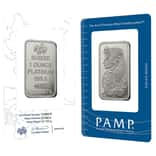
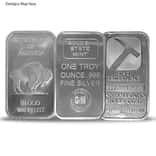
- Bullion: The spot price is the basis for pricing gold bullion products, such as bars and coins. Dealers add a premium to the spot price to cover manufacturing, distribution, and other costs.
- Jewelry: While jewelry prices are influenced by the spot price, they also include additional costs for craftsmanship, design, and brand value.
3. Economic Indicator
- Market Sentiment: The spot price of gold can indicate investor sentiment and economic confidence. Rising prices often signal economic uncertainty or inflationary pressures, while falling prices may suggest stability or declining inflation.
- Monetary Policy: Central banks monitor the gold spot price as part of their broader assessment of economic conditions and to inform policy decisions.
Conclusion
The spot price of gold is a crucial metric for investors, traders, and anyone involved in the precious metals market. It reflects the real-time value of gold and is influenced by a complex interplay of factors, including supply and demand, market speculation, currency values, geopolitical events, and economic data. Understanding how the spot price is determined and its significance can help investors make better decisions and navigate the dynamic gold market. Whether you're buying, selling, or simply monitoring the market, the spot price of gold is an essential tool in the world of precious metals.