View Charts
What a Numismatist Leading the U.S. Mint Could Mean
 0
0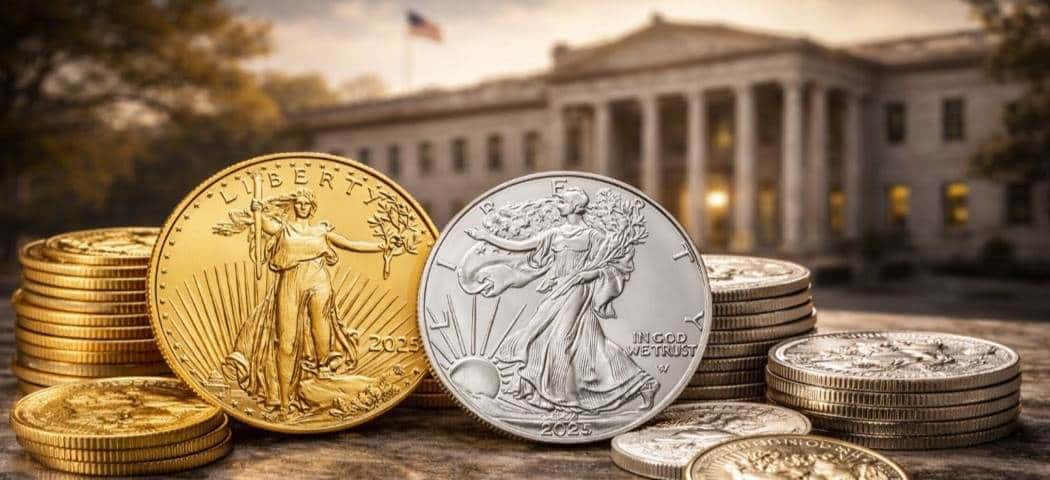
A New Chapter at the United States Mint
The appointment of Paul Hollis as the 41st Director of the United States Mint became official in December 2025, following his confirmation by the U.S. Senate to serve a five-year term. His confirmation marks a notable shift in leadership at one of the most influential institutions in the precious metals and numismatics world. For collectors, investors, and bullion buyers alike, the appointment has drawn attention not simply because of a change in administration, but because Hollis brings something rare to the role: deep, firsthand experience in numismatics.
At a time when gold, silver, and platinum prices are reaching historic levels and public interest in tangible assets is growing, leadership at the U.S. Mint matters more than it has in years.
Who Is Paul Hollis?
Paul Hollis is widely recognized within the numismatic community as a longtime coin collector, dealer, and industry advocate. Unlike many past Mint directors who came from finance, politics, or administrative backgrounds, Hollis’s career has been closely tied to the collector and bullion markets themselves.
This distinction is significant. The Director of the U.S. Mint oversees:
-
Bullion coin programs, including American Gold Eagles and Silver Eagles
-
Numismatic and commemorative coin releases
-
Mint production priorities, pricing models, and distribution
For precious metals investors and collectors, leadership decisions directly influence availability, premiums, product quality, and program consistency.
Why This Appointment Matters to Bullion Buyers
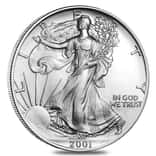
The U.S. Mint plays a central role in the global bullion market. Products like American Gold Eagles, Silver Eagles, and Gold Buffalos are among the most recognized and trusted bullion coins worldwide.
A director with practical numismatic experience may bring:
-
Greater awareness of collector and investor demand
-
A stronger focus on product integrity and design
-
Improved communication between the Mint and the private market
During periods of high demand—such as times of inflation concerns, geopolitical uncertainty, or currency volatility—Mint leadership decisions can directly affect supply constraints and market premiums.
Potential Impact on Gold and Silver Coin Programs
While no immediate policy changes have been announced, Hollis’s background suggests a leadership style that may prioritize:
-
Consistency in bullion coin availability
-
Transparency in pricing and allocation decisions
-
Renewed attention to the long-term health of U.S. Mint bullion programs
For gold and silver investors, this could help stabilize expectations around future coin releases, particularly when the price of gold and price of silver are experiencing heightened volatility.
What This Could Mean for Numismatic Collectors
Collectors are watching closely for potential changes in:
-
Commemorative coin program quality and themes
-
Mintages and product limits
-
Artistic direction and historical storytelling
A Mint director with roots in numismatics may place greater emphasis on historical accuracy, collector value, and long-term significance, rather than purely commercial considerations.
Over time, this could lead to:
-
More thoughtfully curated numismatic releases
-
Increased confidence among collectors
-
Stronger secondary market performance for select issues
Leadership During a Time of Precious Metals Repricing
Hollis’s confirmation comes as precious metals undergo a broader repricing. Gold has reached record highs, silver has surged on both investment and industrial demand, and platinum prices have climbed to multi-year peaks.
In this environment, the U.S. Mint’s role becomes even more visible. Investors often turn to government-issued bullion coins during periods of economic stress, making trust, consistency, and credibility critical.
Leadership that understands both market psychology and collector behavior may help reinforce confidence in U.S. Mint products as cornerstone holdings in precious metals portfolios.
A Broader Signal to the Market
Beyond day-to-day operations, Hollis’s appointment may signal a broader recognition of the importance of the numismatic and bullion communities. Appointing a director with industry experience suggests an acknowledgment that:
-
Coin collectors and bullion investors are long-term stakeholders
-
The U.S. Mint’s reputation directly impacts global precious metals markets
-
Educational and historical value matter alongside production efficiency
For many in the industry, this is seen as a positive step toward alignment between the Mint and the people who rely on its products.
An Industry Perspective on the Mint’s Leadership Shift
At Bullion Exchanges, we view this leadership change as a development worth watching closely. While policies take time to evolve, a director with genuine numismatic insight has the potential to influence the Mint in ways that benefit both investors and collectors.
As precious metals continue to play a critical role in portfolios focused on stability and diversification, the stewardship of U.S. Mint programs remains an important factor in the broader bullion ecosystem.
Why Experience at the U.S. Mint Matters Now
Paul Hollis’s confirmation as Director of the United States Mint represents more than a routine appointment. It reflects a moment where industry knowledge meets public service at a time when precious metals are once again central to financial discussions.
For bullion buyers, coin collectors, and precious metals investors, this leadership shift may help strengthen confidence in U.S. Mint products for years to come—reminding the market that who leads the Mint can matter just as much as what the Mint produces.