View Charts
Understanding the Difference Between Bullion and Numismatic Coins
 0
0
When it comes to investing in precious metals or starting a coin collection, one of the first distinctions you need to understand is the difference between bullion and numismatic coins. These two types of coins serve different purposes, have distinct values, and appeal to different types of buyers. Knowing the differences can help you make informed decisions, whether you're looking to invest or collect.
What Are Bullion Coins?
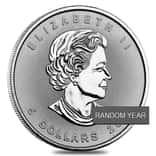
Bullion coins are coins that derive their value primarily from the metal content they contain. These coins are made from precious metals like gold, silver, platinum, or palladium, and their value is closely tied to the current market price (spot price) of the metal. For example, a 1 oz American Gold Eagle bullion coin is valued based on the current price of gold plus a small premium that covers the cost of minting and distribution.
Bullion coins are typically produced in large quantities, and their designs are standardized, often remaining the same year after year. They are bought and sold primarily as investments, with the goal of capitalizing on the potential increase in the value of the metal. Investors see bullion coins as a hedge against inflation, currency devaluation, and economic uncertainty.
Examples of popular bullion coins include:
- American Gold Eagle
- Canadian Gold Maple Leaf
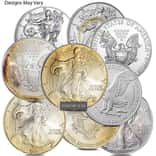
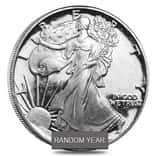
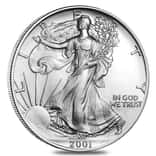
- American Silver Eagle
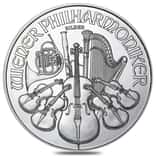
- Austrian Gold Philharmonic
- South African Krugerrand
What Are Numismatic Coins?
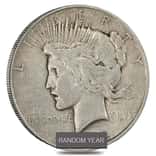
Numismatic coins, on the other hand, are coins that have value beyond the metal content. These coins are valued based on their rarity, age, historical significance, condition, and demand among collectors. Numismatic coins can be made of precious metals, but their value is not solely based on the metal content.
Numismatic coins often have limited mintage, and their designs may change frequently, adding to their collectible value. The condition of the coin, known as its grade, is a crucial factor in determining its value. Coins that are in mint condition, or have been well-preserved over time, typically command higher prices.
Collectors are drawn to numismatic coins for their historical significance, artistic designs, and the challenge of finding rare pieces. The numismatic market can be more complex and speculative than the bullion market, with prices fluctuating based on factors such as collector interest, market trends, and the discovery of new coin hoards.
Examples of numismatic coins include:
- Pre-1933 U.S. Gold Coins (e.g., Saint-Gaudens Double Eagle)
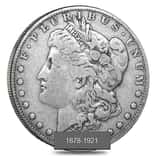
- Morgan Silver Dollars
- Rare ancient coins from Greece or Rome
- Commemorative coins with limited mintage
- Error coins (coins with minting mistakes)
Key Differences Between Bullion and Numismatic Coins
-
Value Basis: The primary difference between bullion and numismatic coins is how their value is determined. Bullion coins are valued based on their metal content, while numismatic coins are valued based on rarity, condition, historical significance, and collector demand.
-
Purpose: Bullion coins are mainly purchased as an investment or a store of wealth, with the focus on the precious metal content. Numismatic coins are collected for their historical and artistic value, with the potential for price appreciation based on rarity and demand.
-
Market Dynamics: The bullion market is driven by the spot price of metals, which can fluctuate based on factors like inflation, currency strength, and global economic conditions. The numismatic market, however, is influenced by collector interest, historical significance, and the rarity of specific coins.
-
Liquidity: Bullion coins are generally easier to sell because their value is straightforward and based on the spot price of the metal. Numismatic coins can be more challenging to sell quickly, as their value is subjective and may require finding the right buyer or auction setting.
-
Risk and Reward: Bullion investments are typically considered lower risk, as they are tied to the value of the underlying metal. Numismatic coins can offer higher rewards, but they also come with higher risk due to the speculative nature of the market.
Which Should You Choose: Bullion or Numismatic Coins?

The choice between bullion and numismatic coins depends on your goals, risk tolerance, and interest in coin collecting.
For Investors: If your primary goal is to invest in precious metals, bullion coins are likely the better choice. They offer a straightforward way to gain exposure to gold, silver, or other precious metals, with lower premiums and higher liquidity. Bullion coins are also a good option for those looking to diversify their investment portfolio or protect against inflation.
For Collectors: If you are passionate about history, art, or the challenge of collecting rare items, numismatic coins may be more appealing. Collecting numismatic coins can be a rewarding hobby, offering the thrill of discovering rare pieces and the potential for significant price appreciation over time. However, it's important to do thorough research and consider working with a trusted dealer or appraiser to ensure you are making informed purchases.
For Hybrid Approaches: Some people choose a hybrid approach, investing in both bullion and numismatic coins. This strategy allows you to benefit from the stability and liquidity of bullion while enjoying the potential rewards and personal satisfaction of collecting numismatic coins.
Conclusion
Understanding the difference between bullion and numismatic coins is essential for anyone interested in precious metals, whether as an investment or a collectible hobby. Bullion coins offer a practical and liquid way to invest in precious metals, while numismatic coins provide the opportunity to own a piece of history and potentially see significant value appreciation. By knowing your goals and doing your research, you can make informed decisions and enjoy the benefits of both worlds.
More blogs you might like:
Political Events & Precious Metal Prices
Chinese Market Rally: Optimism Amid Recovery
Kentucky Farmland Yields "Great Hoard": 700+ Gold & Silver Coins