View Charts
The Role of Precious Metals in a Diversified Retirement Portfolio
 0
0
When planning for retirement, it's crucial to build a portfolio that not only offers growth potential but also provides stability and protection against market volatility. Precious metals, such as gold, silver, platinum, and palladium, have long been recognized as valuable assets that can play a key role in a diversified retirement portfolio. In this article, we'll explore the benefits of including precious metals in your retirement strategy, how they can help mitigate risks, and the different ways you can invest in them.
Why Include Precious Metals in Your Retirement Portfolio?
1. Hedge Against Inflation
One of the most significant benefits of investing in precious metals is their ability to act as a hedge against inflation. Unlike paper currency, which can lose value over time due to inflation, precious metals have historically maintained their purchasing power. When inflation rises, the value of fiat currencies typically declines, but the value of precious metals often increases. This makes them an attractive option for preserving wealth over the long term.
2. Diversification
Diversification is a fundamental principle of investment strategy, and it involves spreading your investments across different asset classes to reduce risk. By including precious metals in your retirement portfolio, you add an asset class that typically moves independently of traditional investments like stocks and bonds. This means that when the stock market is down, the value of your precious metals holdings may remain stable or even increase, providing a cushion against losses in other areas of your portfolio.
3. Protection Against Economic Uncertainty
Precious metals have long been considered a safe haven during times of economic uncertainty. Whether it's geopolitical tensions, financial crises, or currency devaluations, these events can lead to increased demand for precious metals as investors seek stability. By holding precious metals in your retirement portfolio, you can protect your wealth from the impact of economic downturns and market volatility.
4. Liquidity
Another advantage of investing in precious metals is their liquidity. Precious metals can be easily bought and sold in various forms, including coins, bars, and ETFs. This makes it relatively simple to convert your investments into cash when needed, which is especially important for retirees who may require access to their funds for living expenses or unexpected costs.
5. Long-Term Value
Historically, precious metals have proven to hold their value over time. Gold, in particular, has been a store of value for thousands of years and continues to be a sought-after asset in modern times. This long-term value makes precious metals a reliable component of a retirement portfolio, offering both stability and the potential for appreciation.
How to Invest in Precious Metals for Retirement
1. Physical Metals
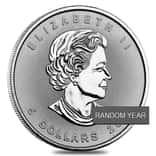
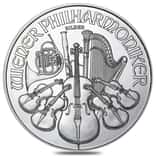
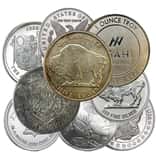
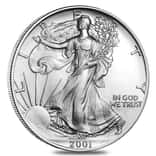
One of the most direct ways to invest in precious metals is by purchasing physical gold, silver, platinum, or palladium. This can be done in the form of coins, bars, or bullion. Owning physical metals gives you tangible assets that you can hold, store, and sell when needed. However, it's important to consider storage and insurance costs when investing in physical metals.
2. Precious Metals IRAs
For those looking to include precious metals in their retirement accounts, a Precious Metals IRA is an excellent option. A Precious Metals IRA allows you to hold physical metals within a self-directed IRA, providing the same tax advantages as a traditional IRA. This type of account gives you the benefits of owning physical metals while still adhering to IRS regulations for retirement accounts.
3. Exchange-Traded Funds (ETFs)
If you're looking for a more convenient way to invest in precious metals without the need to store physical assets, you can consider Exchange-Traded Funds (ETFs) that track the price of gold, silver, platinum, or palladium. ETFs offer liquidity and ease of trading, as they can be bought and sold on the stock exchange like regular stocks. However, it's important to note that when you invest in ETFs, you don't actually own the physical metal, but rather a share in a fund that holds the metal.
4. Mining Stocks
Investing in mining stocks is another way to gain exposure to precious metals. By purchasing shares in companies that mine and produce precious metals, you can benefit from the potential for growth in the mining industry. However, mining stocks are more volatile than physical metals or ETFs, as they are influenced by factors such as company performance, management decisions, and geopolitical risks.
5. Mutual Funds and Index Funds
Mutual funds and index funds that focus on precious metals or the mining industry offer a diversified approach to investing in this asset class. These funds typically hold a mix of mining stocks, ETFs, and physical metals, providing broad exposure to the sector. Investing in mutual funds or index funds can be a good option for those who prefer a hands-off approach to managing their investments.
Considerations for Including Precious Metals in Your Retirement Portfolio
1. Allocation
When adding precious metals to your retirement portfolio, it's important to determine the appropriate allocation based on your risk tolerance and investment goals. Financial experts often recommend allocating 5% to 15% of your portfolio to precious metals, depending on your individual circumstances. This allocation can provide a balance between risk and reward, ensuring that your portfolio remains diversified while still offering protection against market volatility.
2. Timing
While precious metals can be a valuable addition to your portfolio, timing your investments is crucial. The prices of precious metals can be influenced by various factors, including economic data, interest rates, and geopolitical events. It's important to stay informed about market conditions and seek advice from financial professionals to determine the best time to buy or sell precious metals.
3. Storage and Security
If you choose to invest in physical metals, you'll need to consider storage and security. Precious metals should be stored in a secure location, such as a safe deposit box or a professional vault. Additionally, it's important to insure your holdings to protect against theft or loss. The costs associated with storage and insurance should be factored into your overall investment strategy.
Conclusion
Incorporating precious metals into your retirement portfolio can offer numerous benefits, including protection against inflation, diversification, and stability during times of economic uncertainty. Whether you choose to invest in physical metals, ETFs, or mining stocks, it's important to approach this asset class with careful consideration and a long-term perspective. By doing so, you can enhance your retirement portfolio's resilience and increase your chances of achieving financial security in your golden years.