View Charts
The Journey of Gold: From Mine to Market
 0
0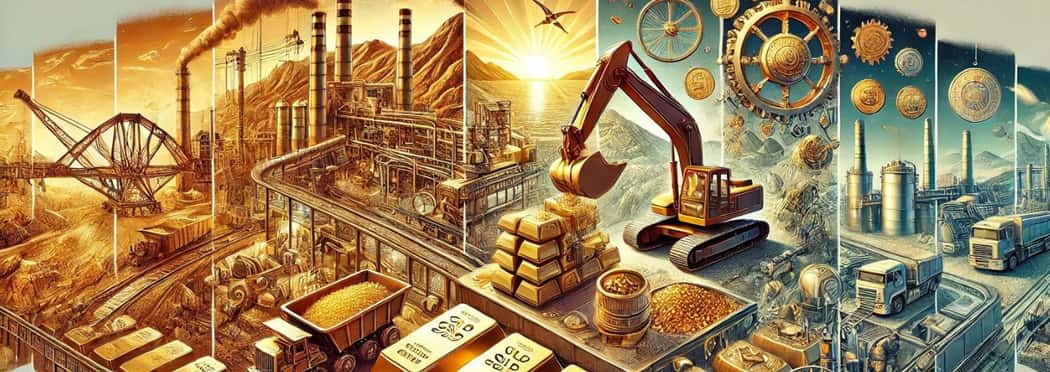
Gold has captivated human civilization for millennia, symbolizing wealth, power, and beauty. From ancient artifacts to modern investment vehicles, gold's journey from mine to market is a fascinating process that involves intricate steps and sophisticated techniques. This article delves into the journey of gold, tracing its path from the depths of the earth to its various forms in the marketplace.
Mining: Unearthing the Treasure
The journey of gold begins deep within the earth's crust, where geological processes have concentrated this precious metal over millions of years. Gold mining is a complex and labor-intensive process that starts with exploration. Geologists use various methods to locate gold deposits, including satellite imagery, geological surveys, and sampling. Once a potential site is identified, more detailed studies are conducted to determine the viability of mining.
Types of Gold Mining
There are two primary types of gold mining: placer mining and hard rock mining.
-
Placer Mining: This method involves extracting gold from alluvial deposits found in riverbeds, streambeds, or floodplains. Miners use techniques such as panning, sluicing, and dredging to separate gold particles from gravel and sand. Placer mining is one of the oldest methods of gold extraction and is still used today, particularly by small-scale and artisanal miners.
-
Hard Rock Mining: This method involves extracting gold from solid rock formations. Miners drill and blast the rock to access gold-bearing ore. The ore is then transported to processing facilities, where it undergoes crushing, grinding, and various chemical processes to extract gold. Hard rock mining is more labor-intensive and requires advanced technology and equipment.
Processing: Extracting the Metal
Once the gold-bearing ore is extracted, it must undergo several processing steps to separate the gold from other minerals and impurities. The primary stages of gold processing include:
-
Crushing and Grinding: The ore is crushed into smaller pieces and then ground into a fine powder to increase the surface area for chemical reactions.
-
Concentration: Various techniques are used to concentrate the gold within the ore. Gravity concentration, flotation, and magnetic separation are common methods. These processes help to increase the concentration of gold before further refining.
-
Leaching: In this step, the concentrated ore is mixed with a solvent, usually cyanide, which dissolves the gold. The gold-laden solution is then separated from the remaining ore.
-
Adsorption: Activated carbon or resin is used to adsorb the gold from the solution. The gold is then stripped from the carbon or resin using another chemical solution.
-
Electrowinning: The gold is recovered from the solution by electroplating it onto a cathode. This process produces a high-purity gold product.
-
Refining: The final step in gold processing is refining, which removes any remaining impurities. The most common refining method is the Miller process, which uses chlorine gas to purify gold. Another method, the Wohlwill process, uses electrolysis to achieve even higher purity levels.
Market: Transforming Gold into Products
After refining, gold is transformed into various products for different markets, including investment, jewelry, technology, and industry.
Investment Gold
Gold has long been considered a safe-haven asset, and it plays a significant role in investment portfolios. The most common forms of investment gold include:
-
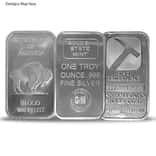
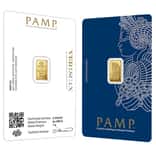
Gold Bars: These are produced in various weights and sizes, ranging from small gram bars to large kilogram bars. They are typically purchased by investors and stored in secure vaults.
-
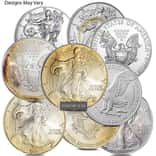
Gold Coins: Issued by governments and private mints, gold coins are popular among collectors and investors. Some well-known gold coins include the American Gold Eagle, Canadian Gold Maple Leaf, and South African Krugerrand.
-
Gold Exchange-Traded Funds (ETFs): These financial instruments allow investors to gain exposure to gold without physically owning it. Gold ETFs track the price of gold and are traded on stock exchanges.
Jewelry
Gold jewelry remains one of the most popular uses of gold, accounting for a significant portion of global gold demand. Gold's malleability, resistance to tarnish, and aesthetic appeal make it ideal for crafting intricate and beautiful jewelry pieces. The demand for gold jewelry is particularly strong in countries like India and China, where gold is deeply ingrained in cultural and religious traditions.
Technology and Industry
Gold's unique properties make it valuable in various technological and industrial applications. It is an excellent conductor of electricity and is resistant to corrosion, making it essential in the electronics industry. Gold is used in the production of connectors, switches, and relay contacts in electronic devices. It is also used in the aerospace industry for its reflective properties and ability to withstand extreme conditions.
Sustainability: The Future of Gold Mining
The gold mining industry faces increasing scrutiny regarding its environmental and social impacts. Modern mining practices strive to balance gold production with sustainability, implementing measures to reduce environmental damage and support local communities. Efforts include minimizing water usage, reducing greenhouse gas emissions, and rehabilitating mined land.
Additionally, the growing interest in ethical and responsibly sourced gold has led to initiatives such as the Fairmined and Fairtrade Gold certifications. These programs ensure that gold is mined under fair labor conditions and with minimal environmental impact, providing consumers with the option to support sustainable practices.
Conclusion
The journey of gold from mine to market is a testament to human ingenuity and the enduring allure of this precious metal. From its extraction deep within the earth to its transformation into investment assets, jewelry, and industrial components, gold continues to play a vital role in the global economy. As the industry evolves, the focus on sustainability and responsible mining practices will ensure that gold remains a symbol of value and prosperity for generations to come.