View Charts
The Impact of Cryptocurrency on Precious Metal Investments
 0
0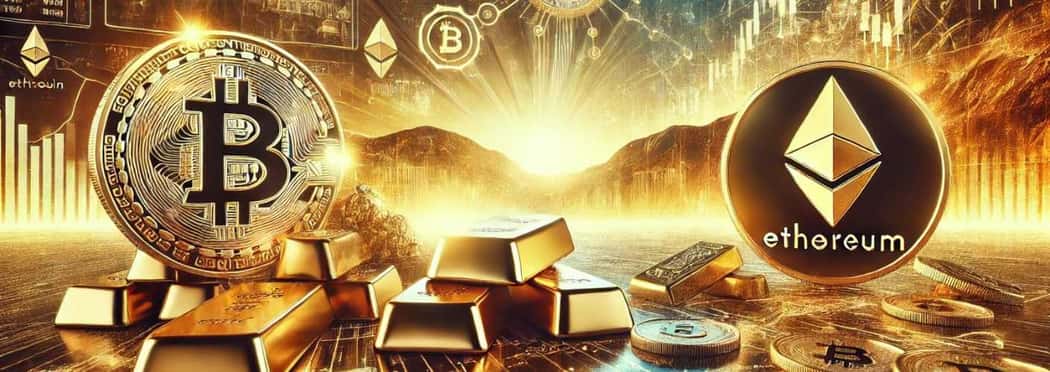
In recent years, the rise of cryptocurrencies has significantly transformed the landscape of global finance. As digital assets like Bitcoin and Ethereum gain popularity, investors are increasingly comparing these new opportunities with traditional stores of value such as precious metals. This article explores the impact of cryptocurrency on precious metal investments, examining the similarities, differences, and potential future interactions between these two asset classes.
The Rise of Cryptocurrencies
Cryptocurrencies have rapidly evolved from niche digital assets to mainstream investment options. Bitcoin, the pioneering cryptocurrency, was launched in 2009 by the anonymous creator Satoshi Nakamoto. Since its inception, thousands of other cryptocurrencies have been developed, each offering distinct features and applications.
The appeal of cryptocurrencies lies in their decentralized nature, transparency, and potential for high returns. Unlike traditional currencies, which are regulated by governments and central banks, cryptocurrencies operate on blockchain technology—a decentralized ledger that ensures secure and transparent transactions. This innovation has attracted a new generation of investors seeking alternative ways to store and grow their wealth.
Comparison of Cryptocurrencies and Precious Metals
Precious metals, particularly gold and silver, have been valued for centuries as reliable stores of value. They are tangible assets with intrinsic value, providing a hedge against inflation, economic uncertainty, and currency devaluation. Cryptocurrencies, on the other hand, are intangible digital assets with value derived from their utility, scarcity, and demand.
- Volatility: One of the most striking differences between cryptocurrencies and precious metals is their volatility. Cryptocurrencies are notorious for their volatility, with prices that can change drastically in a short amount of time. This volatility can offer substantial returns but also poses significant risks. Conversely, precious metals generally display more stable price movements.
While they are not immune to market fluctuations, their long-term value has historically been more predictable. - Market Perception: Precious metals are frequently regarded as safe-haven assets. During times of economic instability, investors flock to gold and silver to preserve their wealth. Cryptocurrencies, while increasingly seen as valuable, are still considered speculative investments by many. This perception affects their role in investment portfolios and the degree of risk investors are willing to assume.
- Accessibility and Liquidity: Cryptocurrencies have revolutionized accessibility in investing. With just an internet connection, investors can buy, sell, and trade cryptocurrencies 24/7. Precious metals, while also accessible, often require physical storage and are traded through markets that operate during specific hours. However, precious metals are highly liquid and widely recognized, allowing for easy conversion to cash.
The Impact on Precious Metal Investments
The emergence of cryptocurrencies has had both direct and indirect impacts on precious metal investments. Here are some key effects:
- Diversification: The advent of cryptocurrencies has provided investors with additional diversification opportunities. While precious metals have traditionally been used to diversify portfolios and hedge against risk, cryptocurrencies now offer an alternative that can be used to balance investment strategies. Some investors allocate a portion of their assets to both precious metals and cryptocurrencies to leverage the unique benefits of each.
- Competition for Safe-Haven Status: Cryptocurrencies, especially Bitcoin, are increasingly being viewed as digital gold. This comparison has sparked debates about whether cryptocurrencies can replace precious metals as the ultimate safe-haven asset. While Bitcoin's limited supply and decentralized nature are appealing, the long-standing trust and historical performance of gold and silver continue to uphold their status. However, the competition between these asset classes may influence investor behavior and market dynamics.
- Influence on Market Sentiment: The growth of cryptocurrencies has influenced market sentiment towards traditional investments. During cryptocurrency bull runs, some investors may divert funds from precious metals to digital assets in pursuit of higher returns. Conversely, during cryptocurrency downturns, investors may return to the stability of precious metals. This interplay can create cyclical trends and affect the pricing and demand for both asset classes.
- Technological Advancements: Blockchain technology, the backbone of cryptocurrencies, has inspired innovation in the precious metals industry. For example, some companies are exploring blockchain-based solutions for tracking and verifying the authenticity of precious metals. This technology can enhance transparency, reduce fraud, and improve the efficiency of precious metal markets, potentially increasing investor confidence and market participation.
Future Outlook
As the financial landscape continues to evolve, the relationship between cryptocurrencies and precious metals will likely become more complex. Several trends and factors will shape this dynamic:
-
Regulatory Developments: The regulatory landscape for cryptocurrencies is still evolving. Increased regulation could stabilize cryptocurrency markets, making them more attractive to institutional investors. This, in turn, could influence the allocation of assets between cryptocurrencies and precious metals.
-
Technological Integration: Advancements in technology may further integrate cryptocurrencies and precious metals. For instance, tokenized precious metals—digital tokens backed by physical gold or silver—are emerging as innovative investment products. These tokens merge the stability of precious metals with the accessibility and liquidity of cryptocurrencies.
-
Economic Conditions: Global economic conditions will continue to drive demand for safe-haven assets. Factors like inflation, geopolitical tensions, and monetary policy decisions will shape investor preferences and the dynamics between cryptocurrencies and precious metals.
Conclusion
The rise of cryptocurrencies has undoubtedly impacted the world of precious metal investments. While both asset classes offer unique benefits, they also present distinct risks and opportunities. As investors seek to navigate an increasingly complex financial landscape, the interplay between cryptocurrencies and precious metals will play a crucial role in shaping investment strategies.
By understanding the similarities and differences between these assets, as well as the broader market trends, investors can make informed decisions to preserve and grow their wealth. Whether viewed as competitors or complementary assets, cryptocurrencies and precious metals will continue to influence each other, driving innovation and evolving the concept of value in the modern financial era.