View Charts
The Evolution of Gold Bar Sales in Mainstream Retail
 0
0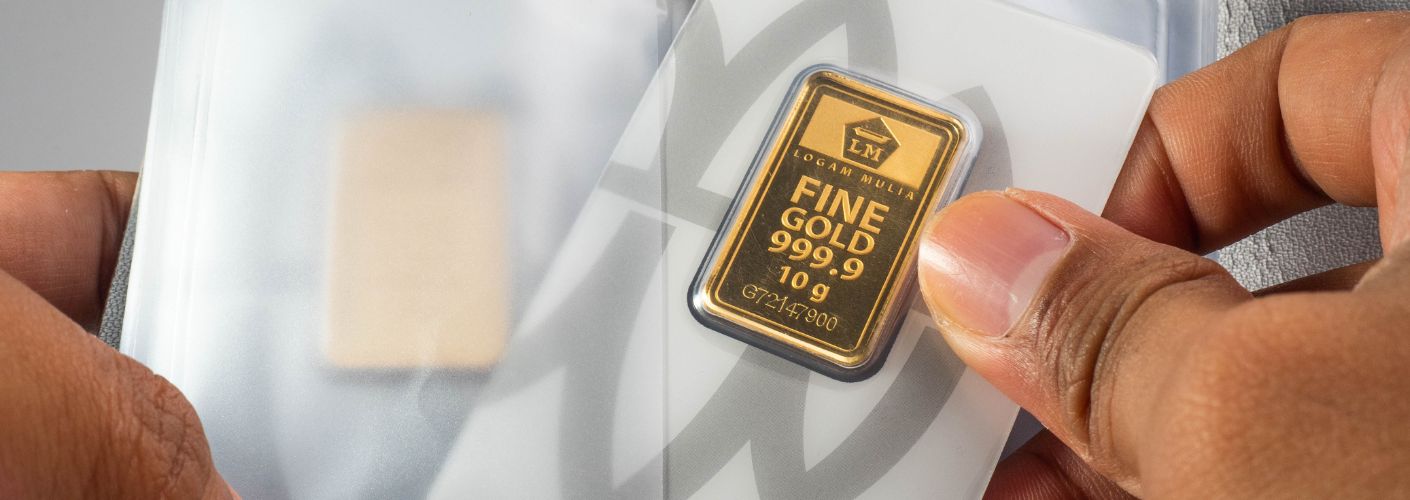
Source: Canva
By: Michael Figueroa
The surge in demand for gold bars, coupled with the transition of the modern-day consumer to digital platforms, has ushered in a new era of purchasing patterns.
This journey, starting from the digital auction house of eBay and cruising through the vast aisles of Walmart, has now reached the member-exclusive gates of Costco. Each stage of this evolution offers intriguing insights into how global giants have harnessed the appeal of gold and silver.
eBay - The Pioneer in Online Gold Bar Sales
When one thinks of eBay, the immediate association is that of an online auction house, a melting pot of unique finds, antiques, collectibles, and more. Yet, in its vast expanse, eBay became one of the first major platforms where sellers, including prominent dealers like Bullion Exchanges, could freely trade in precious metals.

Source: Canva
The site, known for its decentralized nature, was a game-changer for both seasoned metal dealers like Bullion Exchanges and casual sellers who had a piece of silver or gold to part with. With this newfound accessibility, buying precious metals was no longer confined to specialty stores or behind glass cabinets. It became an inclusive marketplace where renowned dealers and individual sellers converged.
Instead, it was as easy as clicking "bid" or "buy now." The addition of a rating and feedback system provided a level of assurance and trustworthiness to transactions, a crucial factor when dealing with precious commodities.
The rise of eBay as a hub for precious metal transactions showcased the potential of online platforms to democratize access. Beyond just providing a marketplace, eBay fostered a community of traders, enthusiasts, and investors. It was more than a platform; it was an ecosystem where knowledge, trust, and commodities exchanged hands freely, setting the stage for other major retailers to take note.
Walmart's Strategic Dive into Precious Metals
Walmart, a brand synonymous with affordability and vast product variety, took a keen interest in the trends set by eBay. Recognizing the opportunity, the retail behemoth introduced precious metals into its extensive inventory, partnering with sellers like Bullion Exchanges on Walmart.com. This wasn't just an addition; it was a strategic move, blending the lines between a general retailer and a bullion dealer. For the average consumer, this meant that investing in or purchasing gold, whether through Bullion Exchanges or other vendors on Walmart.com, was as simple as ordering groceries.
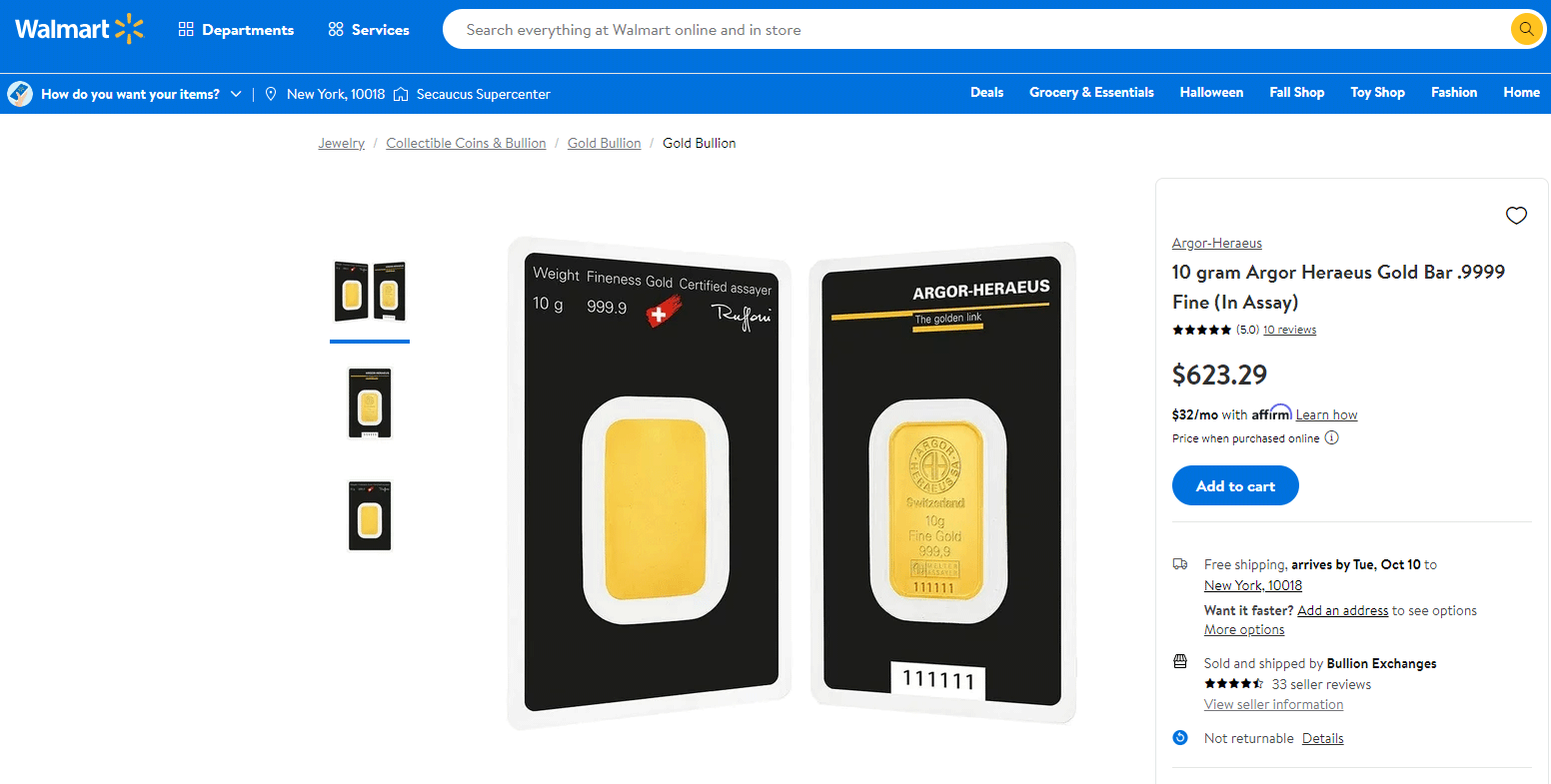
With its expansive supply chain capabilities and global footprint, Walmart offered precious metals at competitive prices. By making these metals available online through platforms like Walmart.com, the company caters to both the tech-savvy investor and the traditional buyer. This move further cemented the idea that precious metals weren't just the domain of the elite or specialized dealers but were commodities accessible to all.
Costco's Gold Rush
Costco, renowned for its member-exclusive offerings and bulk-buy deals, observed the changing landscape and decided to venture into the precious metals domain. Their approach, distinct yet familiar, revolved around exclusivity. Offering gold bars that were selling out within hours showcased not just the demand but also the immense trust that members placed in the Costco brand.
But Costco's strategy wasn't just about sales; it was about positioning. Just as they offer bulk goods for potential emergencies or long-term storage, adding gold to their catalog taps into a mindset of preparedness. Gold, after all, is often seen as a hedge during uncertain times. By aligning with this perspective, Costco not only catered to investors but also to those considering gold as a means of security.
Speculating the Future - Will Amazon Join the Bandwagon?
Given the trend set by eBay, Walmart, and Costco, speculation is rife about Amazon's potential entry into the precious metals market. As a global retail giant with a vast logistical network and a reputation for disrupting traditional market structures, Amazon's entry could redefine how consumers approach precious metal purchases.

Source: Canva
An Amazon-driven precious metals market might harness the power of analytics, personalized recommendations, and Prime benefits, offering a seamless buying experience. If Amazon does decide to embark on this path, the integration of metals into its platform could potentially be a game-changer, further mainstreaming the purchase of precious metals.
Wrapping Up
From eBay's community-driven platform to Walmart's democratizing approach, and Costco's blend of exclusivity and preparedness, the journey of precious metals in retail has been nothing short of transformative.
As we stand at the crossroads, anticipating Amazon's potential move, one thing remains clear: the allure of tangible assets like gold and silver remains undiminished, and the retail landscape is continuously evolving to cater to this demand.