View Charts
The Benefits of Diversifying Your Investment Portfolio with Precious Metals
 0
0
In today's dynamic financial landscape, investors are constantly seeking ways to protect and grow their wealth. One strategy that has stood the test of time is diversifying an investment portfolio with precious metals such as gold, silver, platinum, and palladium. These metals have been valued for centuries for their intrinsic worth, scarcity, and stability. In this article, we will explore the key benefits of incorporating precious metals into your investment portfolio and how they can contribute to long-term financial security.
1. Hedge Against Inflation
One of the most compelling reasons to invest in precious metals is their ability to act as a hedge against inflation. Unlike paper currency, which can lose value due to inflationary pressures, precious metals tend to retain their value over time. Gold, in particular, has historically been a reliable store of value during periods of economic instability. When inflation erodes the purchasing power of fiat currencies, the value of gold and other precious metals often rises, helping investors preserve their wealth.
2. Portfolio Diversification
Diversification is a fundamental principle of investing, aimed at reducing risk by spreading investments across different asset classes. Precious metals provide an excellent diversification tool because they typically have a low or negative correlation with traditional financial assets like stocks and bonds. This means that when the stock market experiences volatility or declines, the value of precious metals often remains stable or even increases. By including precious metals in your portfolio, you can reduce overall risk and improve the potential for consistent returns.
3. Safe Haven During Economic Turmoil
During times of economic uncertainty or geopolitical instability, investors often flock to safe-haven assets like gold and silver. Precious metals are considered a safe haven because they tend to retain their value when other investments, such as equities, are losing value. For example, during the global financial crisis of 2008, gold prices surged as investors sought refuge from the turmoil in the stock market. Similarly, in times of war or political unrest, precious metals have historically provided a sense of security for investors.
4. Protection Against Currency Devaluation
Currency devaluation occurs when a country's currency loses value relative to other currencies, often due to excessive money printing or poor economic policies. Precious metals, particularly gold, are often used as a hedge against currency devaluation. When a currency weakens, the price of gold in that currency tends to increase, preserving the purchasing power of those who hold gold. This makes precious metals an attractive option for investors looking to protect their wealth from the risks associated with currency fluctuations.
5. Liquidity and Marketability
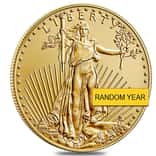
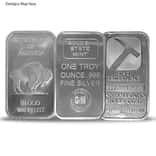
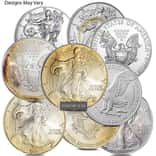
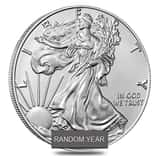
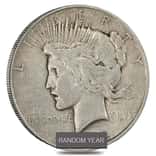
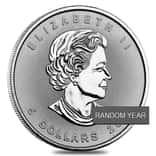
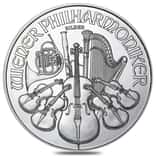
Precious metals are highly liquid assets, meaning they can be easily bought and sold in global markets. This liquidity makes it convenient for investors to convert their holdings into cash when needed. Additionally, precious metals are recognized and accepted worldwide, making them a universally marketable asset. Whether you own gold bars, silver coins, or platinum bullion, you can be confident that there is a ready market for these assets, providing flexibility and ease of transaction.
6. Diversification Across Precious Metals
Within the category of precious metals, investors have the option to diversify further by holding different types of metals, such as gold, silver, platinum, and palladium. Each metal has unique properties and industrial uses, which can influence its market performance. For example, while gold is primarily seen as a store of value, silver has significant industrial applications in electronics and solar energy. Platinum and palladium are used extensively in the automotive industry for catalytic converters. By diversifying across different precious metals, investors can benefit from the varying demand dynamics and price movements of each metal.
7. Potential for Capital Appreciation
In addition to their role as a hedge and safe haven, precious metals also offer the potential for capital appreciation. Over the long term, the prices of gold, silver, platinum, and palladium have generally trended upward, driven by factors such as supply constraints, increasing demand, and geopolitical tensions. Investors who hold precious metals as part of their portfolio may benefit from price appreciation, especially during periods of rising inflation or economic uncertainty.
8. Tangible Asset Ownership
Unlike stocks, bonds, or digital assets, precious metals are tangible assets that you can physically own and store. This physical ownership provides a sense of security and control over your investment. In times of financial crisis or technological disruption, the value of tangible assets like gold and silver is unlikely to be affected by the same factors that could impact digital or paper assets. Owning physical precious metals also allows investors to take possession of their wealth, reducing reliance on financial institutions.
9. Tax Advantages
In some cases, investing in precious metals can offer tax advantages. For example, certain types of gold and silver coins are exempt from capital gains tax in specific jurisdictions. Additionally, precious metals held in a self-directed Individual Retirement Account (IRA) may offer tax-deferred growth, allowing investors to accumulate wealth without immediate tax liabilities. It's important to consult with a tax advisor to understand the specific tax implications of investing in precious metals based on your location and financial situation.
10. Long-Term Wealth Preservation
Perhaps the most significant benefit of investing in precious metals is their ability to preserve wealth over the long term. While stock markets can be volatile and currencies can be devalued, precious metals have consistently maintained their value throughout history. By including precious metals in your investment portfolio, you can safeguard your wealth against the uncertainties of the global economy and ensure that your assets retain their value for future generations.
Conclusion
Diversifying your investment portfolio with precious metals is a proven strategy for reducing risk, protecting against inflation, and preserving wealth. Whether you're a seasoned investor or just starting, incorporating gold, silver, platinum, or palladium into your portfolio can provide stability and security in an ever-changing financial landscape. As with any investment, it's essential to conduct thorough research, seek professional advice, and carefully consider your financial goals before making decisions. By doing so, you can confidently navigate the world of precious metals and build a resilient and diversified investment portfolio.