View Charts
The 1964 vs. 1965 Washington Quarter – Silver vs. Clad Coinage
 2
2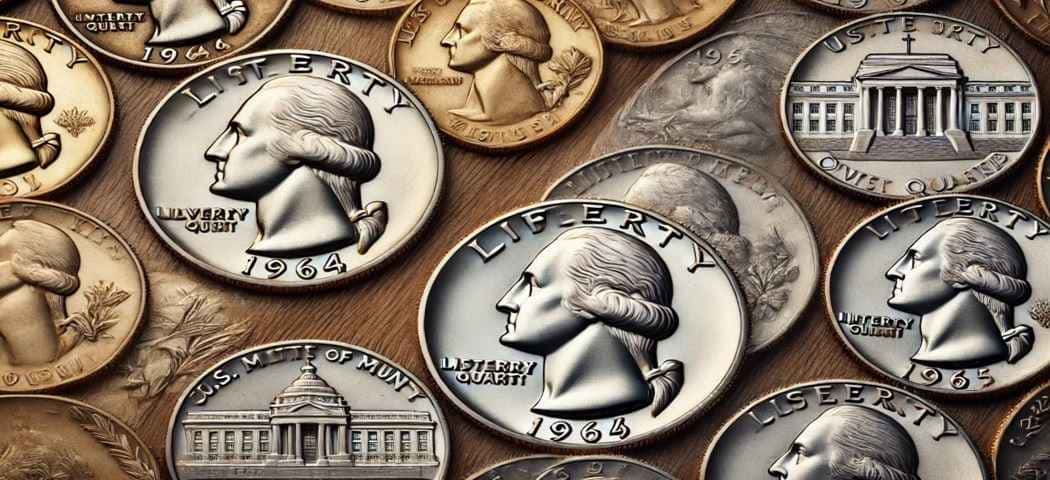
A Quarter Worth More Than 25 Cents?
Most people assume a quarter is simply worth 25 cents—but for collectors and investors, some quarters hold far more value. The Washington Quarter, first introduced in 1932, went through a major transformation in 1965, marking the end of an era for silver coinage in the United States. The 1964 Washington Quarter was the last U.S. quarter struck with 90% silver, while the 1965 version was the first to transition to copper-nickel clad—a change that dramatically impacted the coin’s value.
Today, the difference between these two coins is more than just metal composition; it’s a distinction between an investment-grade bullion coin and standard pocket change. Whether you're a collector, investor, or just someone curious about valuable quarters, understanding the key differences between the 1964 and 1965 Washington Quarters can help you spot a hidden treasure.
The 1964 Washington Quarter – The Last 90% Silver Quarter
Before 1965, U.S. dimes, quarters, and half dollars were composed of 90% silver and 10% copper. The 1964 Washington Quarter represents the final year of this composition before the U.S. Mint transitioned to clad coinage due to rising silver prices.
1964 Quarter Specifications
-
Metal Composition: 90% silver, 10% copper
-
Weight: 6.25 grams
-
Silver Content: 0.1808 troy ounces of pure silver
-
Diameter: 24.3 mm
Why Are 1964 Silver Quarters Valuable Today?
-
Silver Bullion Value – Unlike clad quarters, silver quarters contain real intrinsic value. The melt value fluctuates based on the current silver spot price, making them attractive to investors.
-
Historic Significance – As the last circulating silver quarter, the 1964 edition holds special appeal for numismatists.
-
Investability – Many investors stack pre-1965 90% silver coins (often called "junk silver") as a hedge against inflation.
With silver prices currently around $34 per ounce, the melt value of a 1964 Washington Quarter is approximately $6.15—significantly higher than its face value.
The 1965 Washington Quarter – The Start of Clad Coinage
The Coinage Act of 1965 eliminated silver from circulating quarters and dimes due to a sharp rise in silver prices, which made producing silver coins increasingly expensive for the U.S. Mint. Instead, a new copper-nickel clad composition was introduced, which is still used today.
1965 Quarter Specifications
-
Metal Composition: Outer layer: 75% copper, 25% nickel; Core: Pure copper
-
Weight: 5.67 grams
-
Silver Content: None
-
Diameter: 24.3 mm
Why Was Silver Removed from U.S. Quarters?
-
By the early 1960s, the rising price of silver made the metal more valuable than the face value of the coin.
-
People began hoarding silver quarters, causing a coin shortage.
-
The U.S. government needed a cost-effective alternative, leading to the introduction of copper-nickel clad quarters in 1965.
Since 1965, all circulating U.S. quarters have contained no silver, making the pre-1965 silver versions highly sought after.
How to Tell the Difference Between a 1964 and 1965 Quarter
At a glance, the 1964 and 1965 Washington Quarters look nearly identical. However, you can quickly identify them using these methods:
1. Check the Date
-
A 1964 quarter is 90% silver.
-
A 1965 quarter is copper-nickel clad.
2. Examine the Edge
-
Silver quarters (1964 and earlier) have a solid white-silver edge.
-
Clad quarters (1965 and later) reveal a visible copper stripe along the edge.
3. Weigh the Coin
-
A 1964 quarter weighs 6.25 grams due to its silver content.
-
A 1965 quarter is lighter at 5.67 grams because of its clad composition.
Are There Any Rare or Valuable 1965 Quarters?
While most 1965 quarters are worth only 25 cents, some rare errors can make them valuable:
1. 1965 Silver Quarter Error
-
A small number of 1965 quarters were accidentally struck on leftover silver planchets from 1964.
-
These extremely rare coins can be worth thousands of dollars if verified by a grading service like PCGS or NGC.
2. Double Die and Off-Center Errors
-
Some 1965 quarters feature double die errors, making the inscriptions appear slightly doubled.
-
Off-center strikes and other mint errors can also increase a 1965 quarter’s value.
For most collectors and investors, however, the 1964 silver quarter remains the real prize.
Why Do Collectors & Investors Seek 1964 Quarters?
Silver Washington Quarters are one of the most affordable ways to invest in physical silver. Here’s why they remain in high demand:
-
Intrinsic Value: Each 1964 quarter contains .1808 troy ounces of silver, making it valuable based on silver’s spot price.
-
Historical Significance: The last year of 90% silver quarters makes the 1964 issue an iconic piece of U.S. coinage history.
-
Liquidity: Pre-1965 silver coins are widely traded and easy to sell.
Whether you’re a collector, an investor, or someone looking for hidden treasures in change, understanding these quarters can help you spot valuable silver coins in circulation.
A Small Coin with Big Value
The 1964 vs. 1965 Washington Quarter marks a pivotal change in U.S. coinage history. While the two coins look nearly identical, their values couldn’t be more different.
-
The 1964 quarter is 90% silver, making it a sought-after bullion coin for investors and collectors.
-
The 1965 quarter introduced the modern copper-nickel clad composition, meaning it holds no precious metal value.
For those interested in precious metals investing, owning pre-1965 silver quarters is a smart way to stack affordable silver with historic significance.
Start Your Silver Collection Today!
If you’re looking to invest in silver quarters or other bullion products, Bullion Exchanges offers a wide selection of investment-grade silver coins at competitive prices. Explore our collection today and secure your financial future with physical silver!
Related reading you may find interesting:
The US Mint Bicentennial Quarter: History, Value & 2026 Quarter Preview
1965 Quarter Value: The Coin That Ended the Silver Era
2 Comments