View Charts
Silver Prices Surge: How Industrial Demand Could Drive a 2026 Bullion Boom
 0
0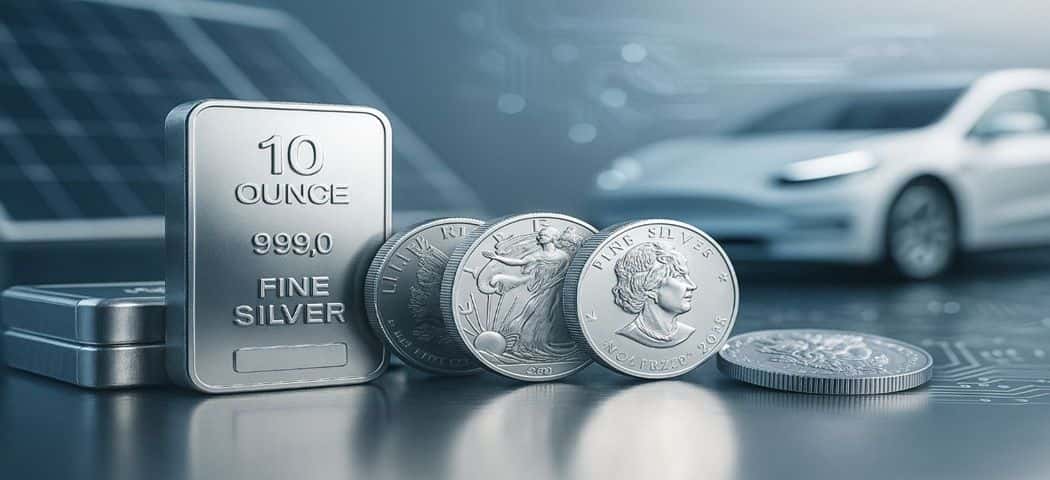
Silver’s Dual Identity: Investment Asset and Industrial Powerhouse
Silver is once again capturing global attention as prices surge amid renewed optimism in the metals market. Today’s rally reflects more than short-term volatility — it highlights silver’s growing importance as both a store of value and a critical industrial resource.
While investors track the silver price today to gauge near-term movement, market analysts are increasingly focusing on longer-term structural forces that could sustain demand through 2026 and beyond.
Unlike gold, which is primarily a monetary metal, silver serves a dual purpose: it’s both an investment hedge and an industrial necessity. Its unmatched conductivity, reflectivity, and versatility make it indispensable in renewable energy, electronics, and automotive technology — a combination that strengthens its case as one of the most dynamic metals in the global economy.
Current Market Forces Driving the Price of Silver Today
The recent upswing in the price of silver can be attributed to a convergence of macro and market-specific drivers. Expectations of easing monetary policy by the Federal Reserve, a weaker U.S. dollar, and persistent inflation concerns have drawn investors toward tangible assets. As real yields decline, the appeal of non-yielding metals like silver and gold has strengthened, positioning silver as an increasingly favored store of value.
At the same time, inflows into silver-based exchange-traded products and heightened speculative interest are fueling momentum in the silver market. Because silver offers a more accessible entry point than gold, many investors seeking precious-metal exposure are turning to silver bullion and coins, amplifying demand.
Another structurally significant signal is emerging from physical-market dynamics: the silver market is exhibiting signs of backwardation, a condition in which the spot price of silver exceeds futures delivery prices. This inverted price curve suggests that immediate physical demand is outpacing what paper markets can supply. While precise spreads vary across venues, analysts agree the condition points to a tightening physical supply chain and greater urgency for tangible silver.
Together, these factors create a potent environment for silver: macroeconomic tailwinds, expanding industrial and investment demand, and stress in the physical delivery market—all aligning to drive upward pressure on silver’s price now and potentially into the future.
Industrial Silver Demand and Renewable Energy Growth
Beyond macroeconomics, silver’s industrial demand remains the foundation of its long-term potential. Over 50% of global silver consumption comes from industrial uses — a share expected to grow through 2026.
-
Renewable Energy: Silver is a key component in solar panels, with each panel using small but crucial amounts of silver paste. As global clean energy adoption accelerates, photovoltaic demand could absorb hundreds of millions of ounces annually.
-
Electric Vehicles (EVs): Each EV requires significantly more silver than traditional vehicles for its wiring, power systems, and sensors. Rising EV production will likely tighten silver supply further.
-
Electronics & Technology: From semiconductors to 5G networks, silver’s conductivity ensures its continued role in global technology infrastructure.
This industrial backbone makes silver more than a hedge — it’s a strategic metal shaping the energy and technology revolutions of the next decade.
Silver Supply Constraints and the 2026 Market Outlook
While demand surges, global silver supply growth remains limited. Production from leading mining nations like Mexico, Peru, and China continues to face challenges, including declining ore grades and higher extraction costs. Recycling supply, once a buffer, has stagnated.
This tightening balance between supply and consumption suggests that even moderate economic growth could propel the price of silver higher over the next 18 months. The result: increasing premiums for physical bullion coins and bars, reflecting real-world scarcity.
For investors, these factors set the stage for a potential silver bull market leading into 2026, with industrial and investment demand reinforcing each other in a powerful feedback loop.
Gold-to-Silver Ratio: Is Silver Undervalued in 2025?
One of the most valuable indicators for silver investors is the gold-to-silver ratio, which measures how many ounces of silver equal the price of one ounce of gold. Historically, this ratio averages around 60 to 65, but in recent years it has hovered closer to 75–85, suggesting that silver remains undervalued relative to gold.
When the ratio widens, investors often interpret it as a signal that silver is trading at a discount compared to gold. With both metals moving upward but silver lagging proportionally, there may be substantial room for silver to outperform as the market rebalances.
As the gold price today holds steady near record levels, a narrowing gold-to-silver ratio could indicate renewed investor rotation into silver — potentially setting the stage for a multi-year rally. For precious metals enthusiasts, understanding this relationship provides a deeper lens into when and how to diversify holdings between gold and silver.
Positioning for Opportunity in the Silver Market
For those evaluating long-term strategies, silver’s current surge represents both an opportunity and a signal of changing market dynamics. Volatility will persist, but so will the underlying industrial strength that supports the metal’s resilience.
Smart investors should monitor:
-
Global industrial growth trends in renewable energy and EV sectors.
-
Interest-rate direction and inflation data impacting real yields.
-
Physical bullion premiums as indicators of real supply-demand pressure.
-
Gold-to-silver ratio movements, which can reveal relative value opportunities.
The convergence of macroeconomic easing, green technology investment, and constrained supply makes silver one of the most compelling assets heading into 2026.
The Takeaway: Silver’s Modern Bullion Renaissance
Silver’s current rally is not merely a speculative spike; it’s a reflection of deeper economic transformation. The same forces driving renewable energy, electrification, and digital progress are shaping a new era of precious-metals demand. With its industrial versatility, scarcity of new supply, and timeless role as a store of value, silver is poised to lead the next phase of the bullion market.
As investors adapt to shifting monetary and industrial landscapes, silver’s dual identity makes it one of the most compelling assets of our time. The 2026 outlook signals not just potential price appreciation — but a reminder that silver remains the metal of innovation, resilience, and opportunity.
Explore the latest silver coins and bars available at Bullion Exchanges to capture today’s market momentum and position yourself for what could become the defining silver rally of the decade.
Related reading you may find interesting:
The Gold-to-Silver Ratio: Is It Time to Diversify?
Why Rate-Cut Expectations Are Supercharging Gold & Silver Prices