View Charts
Saudi Arabia's Strategic OPEC+ Production Cut Amid Global Dynamics
 0
0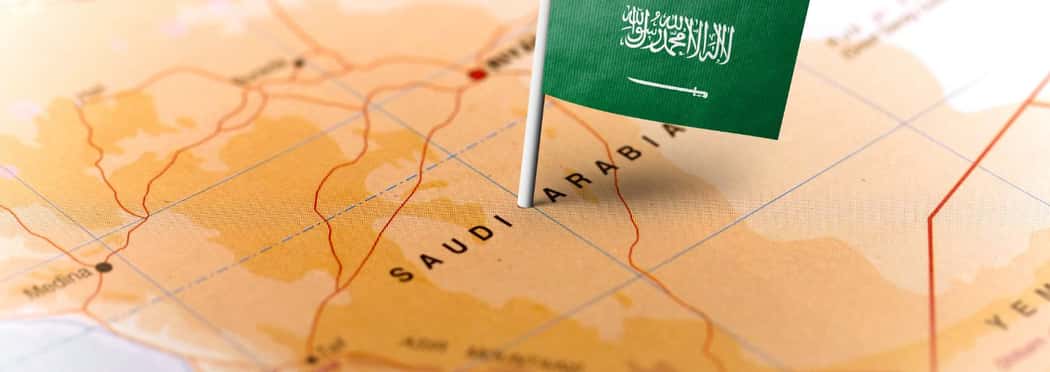
Source: Canva
The global oil market is poised at a critical juncture as Saudi Arabia spearheads a proposal for an additional 1 million barrels per day production cut within OPEC+. This move, set against a backdrop of fluctuating global economic conditions and geopolitical tensions, could significantly impact oil prices and international relations.
The Current State of OPEC+
OPEC+, comprising the Organization of the Petroleum Exporting Countries (OPEC) and its Russia-led allies, plays a pivotal role in stabilizing global oil supply and prices. The group's decisions are particularly crucial in times of economic volatility and geopolitical strife, influencing the balance between supply and demand in the international oil market.
Saudi Arabia's Influence in OPEC+
As a leading member of OPEC+, Saudi Arabia's stance often holds considerable sway in the group's decisions. The kingdom's recent advocacy for a substantial production cut reflects its influence and strategic interests in the oil market. This move follows Saudi Arabia's unilateral decision in June to cut production by 1 million barrels per day, part of a broader agreement with OPEC+ members.
Implications of the Proposed Cut
The proposed additional production cut could trigger a rise in oil prices. Such an outcome is likely to face criticism from major oil-consuming countries, particularly the United States. The U.S. administration, concerned about the political and economic impacts of higher gasoline prices in an election year, has previously criticized OPEC+ decisions that result in increased oil prices.
Diverging Views Within OPEC+
While Saudi Arabia is a strong proponent of the cut, the proposal has not garnered unanimous support within OPEC+. Nations like Nigeria, Angola, and the United Arab Emirates have shown reluctance to reduce their production quotas. The consensus within the group remains uncertain, highlighting the diverse economic priorities and strategies among its members.
Broader Geopolitical and Economic Context
The OPEC+ discussions and potential production cuts are unfolding amidst a complex global scene. The ongoing Middle East conflict, though reportedly not a direct topic in OPEC conversations, casts a shadow over these deliberations. Additionally, the timing of the OPEC+ meeting coinciding with the United Nations climate summit in Dubai underscores the challenging balance between oil production policies and environmental concerns.
Market Reactions and Speculations
The oil market has reacted sensitively to the news and speculations surrounding the potential OPEC+ production cut. Brent oil, a major global benchmark, has seen noticeable fluctuations following the leak of this proposal. This volatility is indicative of the significant influence OPEC+ holds over global oil pricing dynamics.
Saudi Arabia's Economic Motivations
According to Goldman Sachs, Saudi Arabia's fiscal equilibrium is dependent on achieving an oil price of approximately $88 per barrel. This requirement is driven by the kingdom's ambitious domestic projects, including the construction of a large-scale city in the desert. The proposed production cut could be strategically aimed at supporting these economic objectives.
Potential Global Ramifications
Should the proposed cut be implemented, it could have wide-reaching effects on the global economy. Higher oil prices may contribute to inflationary pressures in various economies, affecting everything from transportation costs to manufacturing. Additionally, the decision could strain Saudi Arabia's relations with key global players, especially the United States.
Conclusion
Saudi Arabia's initiative to advocate for an additional production cut within OPEC+ is a significant development in the global oil landscape. The decision, which is yet to be finalized, could reshape the dynamics of oil prices, reflecting the intricate interplay of geopolitical, economic, and environmental factors in the world energy market.
Key Takeaways
- Saudi Arabia's push for an OPEC+ production cut highlights its influential role in the group.
- The proposal may lead to higher oil prices, attracting international scrutiny.
- Diverse opinions within OPEC+ reflect differing national economic strategies.
- The decision has implications for global economic conditions, particularly in terms of inflation and international relations.
- Saudi Arabia's economic needs, including funding ambitious domestic projects, play a significant role in its advocacy for the production cut.