View Charts
Russia's Economic Strategy Amid Sanctions: A Shift Towards the Ruble
 0
0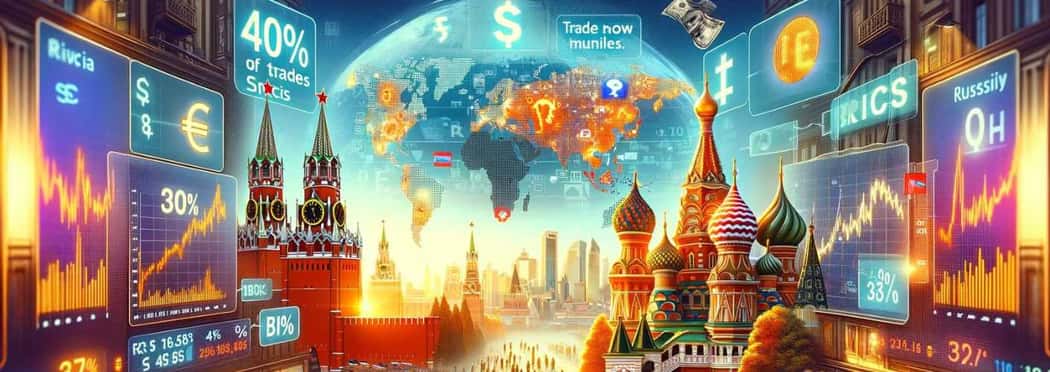
In a significant shift in its economic policy, Russia has increasingly turned towards the ruble for its trade transactions, with Russian President Vladimir Putin announcing that nearly 40% of the country's trade turnover is now conducted in its national currency. This development marks a strategic pivot away from Western currencies, which have traditionally dominated global trade.
Economic Realignments and International Relations
Speaking at the St. Petersburg International Economic Forum (SPIEF), Putin emphasized the importance of enhancing relationships with countries that are "friendly to Russia," which he noted currently account for three-quarters of Russia's trade volume. These countries, according to Putin, are pivotal to the future of the global economy.
In line with this strategy, Russia is focusing on increasing the use of BRICS countries' currencies in trade settlements. BRICS—a coalition of emerging economies including Brazil, Russia, India, China, and South Africa—represents a significant fraction of the global economic landscape, and strengthening economic ties within this group aligns with Russia's broader strategy to de-emphasize reliance on Western financial systems.
Financial Market Reforms and Growth Projections
Amid ongoing Western sanctions, Putin outlined ambitious plans to revamp Russia's domestic financial market. Key initiatives include doubling the value of the Russian stock market by the end of the decade, reducing dependency on imports, and enhancing investment in fixed assets. These measures are part of a broader effort to bolster economic resilience and self-sufficiency in response to the economic isolation imposed by Western nations following Russia's invasion of Ukraine in February 2022.
Despite the sanctions, which target several critical sectors of Russia's economy, the country's economic outlook appears robust. The International Monetary Fund's World Economic Outlook in April projected that Russia's economy would grow by 3.2% in 2024, outpacing the growth rates of many advanced economies including the United States, Germany, France, and the United Kingdom.
Impact of Sanctions and Economic Adaptation
Russia's strategic adaptation to sanctions has involved a concerted push towards economic self-reliance. This transition has been bolstered by strong private consumption and robust domestic investment. Furthermore, continued oil and commodity exports, primarily to countries like India and China, along with alleged sanctions evasion tactics and sustained high oil prices, have enabled Russia to maintain substantial export revenues.
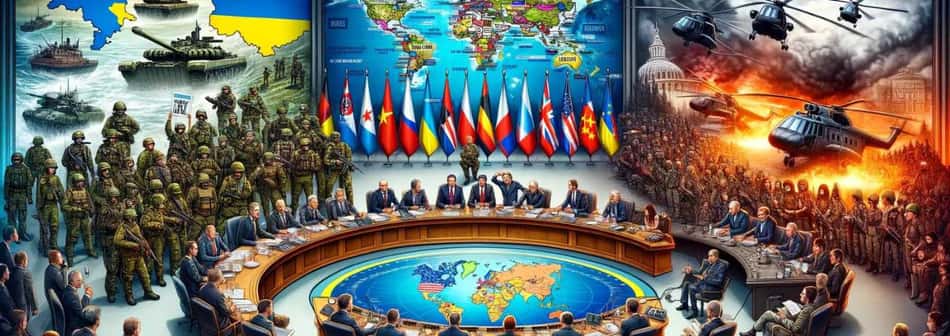
The Geopolitical Context: Ukraine Conflict and Global Reactions
The backdrop to these economic maneuvers is the ongoing conflict in Ukraine, which has seen continued hostilities and tactical movements. Recent comments by Western leaders, including U.S. President Joe Biden and French President Emmanuel Macron, underscore a firm stance against Russia's military actions, with pledges of unwavering support for Ukraine. These developments were prominently discussed during the recent 80th anniversary of D-Day, highlighting the continued geopolitical tensions and the complex interplay between economic strategies and military engagements.
Putin's remarks at SPIEF also hinted at potential escalations in military strategy, reflecting the deepening rift between Russia and Western nations. The possibility of Russia supplying long-range weapons to unspecified actors as a countermeasure to Western military aid to Ukraine illustrates the escalating stakes in the conflict.
Conclusion: Navigating a New Economic Landscape
As Russia continues to navigate its complex geopolitical and economic landscape, the shift towards the ruble and the strengthening of ties with non-Western economies represent crucial elements of its strategy to mitigate the impact of sanctions. The evolving economic policies and military strategies underscore the broader shifts in global power dynamics, with significant implications for international trade, finance, and security.
Discussion Questions:
-
Economic Independence: How effective do you think Russia's shift towards using the ruble and BRICS currencies in international trade will be in mitigating the impact of Western sanctions? Can this strategy sustain long-term economic growth?
-
Global Trade Dynamics: With Russia increasing its trade with "friendly" nations and decreasing reliance on Western currencies, what impacts might this have on global trade dynamics? Could this lead to a more fragmented global economy?
-
Geopolitical Implications: How do you perceive the future of international relations among major global powers in light of Russia's current economic policies and military actions? What might be the long-term implications for global peace and security?
-
Western Sanctions: Considering the resilience of the Russian economy despite heavy sanctions, do you think the current sanctions policy needs to be reevaluated or intensified? What alternative measures could be more effective?
-
Ethical Considerations: How should the international community balance economic sanctions intended to punish aggression without exacerbating humanitarian crises or unfairly impacting civilians?
-
Investment Perspective: From an investment standpoint, how risky is it to invest in emerging markets like Russia that are heavily sanctioned but show robust economic projections? What factors should investors consider?
We invite you to share your thoughts and insights on these questions in the comments below or engage with us through our social media platforms. Your perspectives are valuable as we continue to analyze and understand these complex global issues.