View Charts
Is Junk Silver Still a Smart Investment in 2026?
 0
0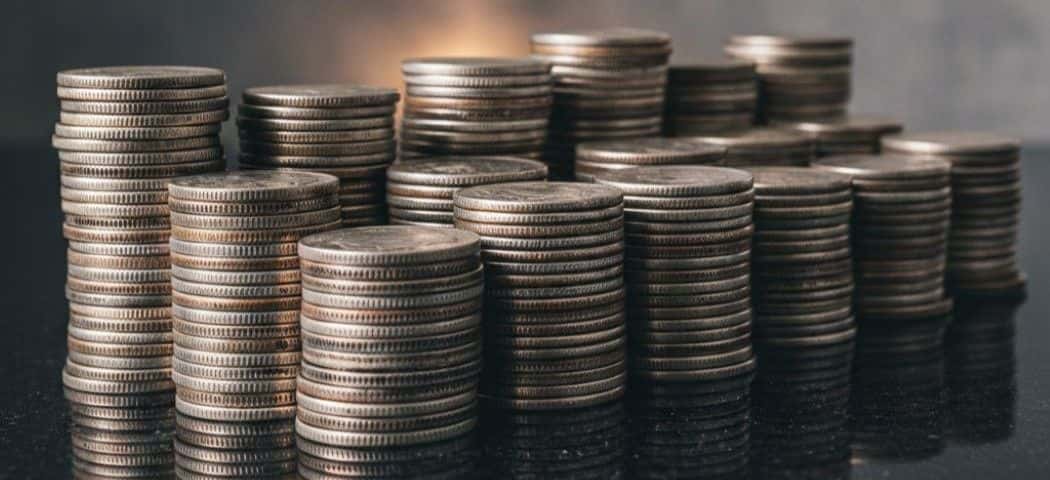
Why Junk Silver Matters in a $100+ Silver Market
With the price of silver trading at historically elevated levels, investors are reassessing not only whether to own silver, but how to own it. As the silver spot price has surged past levels once considered extreme, interest has expanded beyond modern bullion products to include pre-1965 U.S. silver coinage—commonly known as junk silver. In a market defined by inflation concerns, supply constraints, and rising premiums, junk silver has reemerged as a strategic and practical form of physical silver ownership.
Understanding whether junk silver still makes sense in 2026 requires looking beyond nostalgia and examining how it functions in today’s high-price silver environment.
What Is Junk Silver? A Quick Refresher
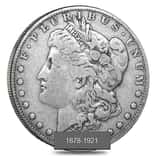
Junk silver refers to U.S. coins minted prior to 1965 that contain 90% silver, including dimes, quarters, and half dollars. The term “junk” does not imply low quality or lack of value; rather, it originated within the precious metals trade to distinguish these coins from numismatic collectibles. They are considered “junk” only in the sense that they are valued primarily for silver content, not rarity, condition, or collector premiums.
The phrase became common after the U.S. removed silver from circulating coinage in 1965. As silver prices rose, older coins were pulled from circulation and traded in bulk based on melt value, giving rise to the industry shorthand “junk silver.”
Common examples include:
-
Franklin half dollars and Kennedy half dollars (1964 only)
Because these coins trade closely to melt value, junk silver offers direct exposure to the silver price and silver spot price without the added premiums often associated with modern proof coins or limited-mintage bullion products.
Why Junk Silver Is Especially Relevant in 2026
The renewed interest in junk silver is not accidental. Several market conditions have converged to make it particularly relevant today.
First, the silver spot price has climbed well beyond historical norms, increasing premiums across newly minted bullion products. As premiums rise, investors often seek alternatives that offer lower cost per ounce of silver. Junk silver frequently fits that role.
Second, inflation remains persistent, eroding purchasing power and reinforcing demand for tangible assets. Junk silver provides physical exposure without reliance on modern minting supply chains or collectible narratives.
Finally, heightened economic and geopolitical uncertainty has increased demand for assets that are liquid, recognizable, and historically trusted—qualities junk silver has demonstrated for decades.
Junk Silver vs. Modern Silver Bullion in a High-Price Environment
In a market where the price of silver is elevated, the differences between junk silver and modern bullion become more pronounced.
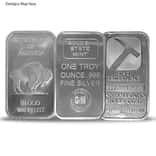
Modern silver bars and rounds offer precise weight and purity, but they often carry higher fabrication and retail premiums—especially during periods of strong demand. Junk silver, by contrast, is already minted, widely distributed, and valued primarily on silver content.
Key considerations include:
-
Premiums: Junk silver often trades at lower premiums per ounce compared to newly minted bullion during bull markets.
-
Liquidity: Pre-1965 coins are widely recognized and easy to resell.
-
Divisibility: Smaller denominations allow flexibility that large bars cannot provide.
Rather than replacing modern bullion, junk silver often complements it within a diversified silver strategy.
A Finite Supply That Continues to Shrink
One of the most overlooked aspects of junk silver is supply. No new 90% silver U.S. coins are being produced, and the existing supply continues to decline as coins are melted during periods of high silver spot price levels.
As silver prices rise, melting becomes economically attractive, permanently removing junk silver from circulation. This dynamic places upward pressure on availability and can support premiums even during periods of price consolidation.
In contrast to modern bullion, which can be produced as demand increases, junk silver supply is fixed—and shrinking.
Liquidity, Trust, and Practical Value
Junk silver’s enduring appeal lies in its practicality. These silver coins are instantly recognizable, trusted, and widely accepted within precious metals markets. Unlike specialty bullion or collectible coins, junk silver does not require explanation or verification beyond weight and condition.
In times of market stress, assets that are easy to value and exchange often outperform those that rely on niche demand. Junk silver’s simplicity becomes a strength, particularly when volatility increases alongside the price of silver.
Who Junk Silver Is Best Suited For in 2026
Junk silver is not a one-size-fits-all solution, but it appeals to several types of buyers:
-
New precious metals investors seeking affordable entry points
-
Long-term silver holders focused on intrinsic value
-
Diversification-minded investors balancing bullion formats
-
Collectors who value historical authenticity alongside silver content
Its flexibility allows it to serve both defensive and strategic roles within a broader metals allocation.
Risks and Considerations
No investment is without tradeoffs. Junk silver can require more storage space per ounce than bars, and premiums can fluctuate depending on demand and availability. Short-term movements in the silver spot price may also impact perceived value.
However, these considerations are best evaluated within a long-term framework, where liquidity, trust, and scarcity tend to outweigh short-term volatility.
How Junk Silver Fits Into a Balanced Silver Strategy
In 2026, many investors are combining junk silver with modern bullion to balance flexibility and efficiency. Larger bars offer compact storage and lower premiums during calm markets, while junk silver provides liquidity and optionality when conditions tighten.
Rather than asking whether junk silver is better than bullion, the more productive question is how it fits into an overall strategy aligned with long-term silver ownership.
Junk Silver’s Role in Today’s Silver Market
With the price of silver at elevated levels and the silver spot price reflecting sustained demand, junk silver has reasserted itself as more than a historical curiosity. Its finite supply, liquidity, and intrinsic value make it a relevant and practical consideration in 2026.
As markets continue to evolve, investors who understand the distinct roles of different silver formats are better positioned to navigate volatility and preserve value. Junk silver coins may not dominate headlines, but its quiet resilience continues to earn its place in modern precious metals portfolios.