View Charts
Investing in Gold and Silver: A Comprehensive Guide for 2024
 0
0
Investing in precious metals like gold and silver has long been a favored strategy for preserving wealth and hedging against economic uncertainty. As we step into 2024, the landscape for these investments remains compelling, influenced by various economic, geopolitical, and technological factors. This comprehensive guide will delve into the reasons to consider investing in gold and silver, the ways to invest, and the trends to watch in 2024.
Why Invest in Gold and Silver?
Historical Significance and Stability
Gold and silver have been used as forms of currency and stores of value for millennia. Their intrinsic value and universal recognition make them reliable assets during times of economic distress. Unlike fiat currencies, which can be printed at will by central banks, the supply of gold and silver is finite, contributing to their enduring value.
Hedge Against Inflation
One of the primary reasons investors turn to gold and silver is their ability to act as a hedge against inflation. When the purchasing power of paper currency declines, precious metals often retain their value, and sometimes even appreciate. With global inflationary pressures expected to persist in 2024, adding gold and silver to your portfolio can help safeguard your wealth.
Diversification
Diversification is a fundamental principle of sound investing. By spreading investments across various asset classes, investors can reduce risk and enhance returns. Gold and silver often move inversely to stocks and bonds, providing a counterbalance during market downturns.
Geopolitical and Economic Uncertainty
Geopolitical tensions and economic instability can create volatility in financial markets. Precious metals typically perform well in such environments, as they are seen as safe-haven assets. With ongoing geopolitical conflicts and economic challenges expected to continue in 2024, gold and silver offer a refuge for risk-averse investors.
Ways to Invest in Gold and Silver
Physical Bullion
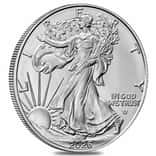
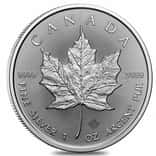
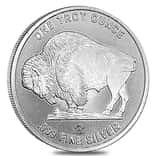
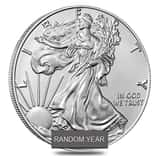
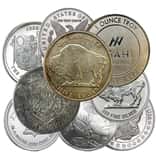
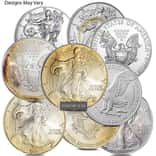
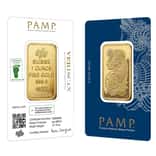
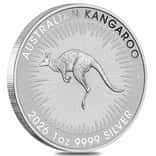
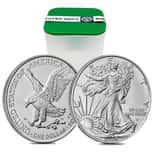
Investing in physical gold and silver bullion is the most direct method. This includes buying coins, bars, and ingots. While physical ownership provides tangible security, it also requires safe storage and insurance. Popular coins like the American Gold Eagle, Canadian Maple Leaf, and South African Krugerrand are widely recognized and traded.
Exchange-Traded Funds (ETFs)
ETFs offer a convenient way to invest in gold and silver without the need for physical storage. These funds track the price of the underlying metal and can be bought and sold like stocks. Some popular gold ETFs include SPDR Gold Shares (GLD) and iShares Gold Trust (IAU), while iShares Silver Trust (SLV) is a leading silver ETF.
Mining Stocks
Investing in mining companies provides exposure to gold and silver prices with the potential for higher returns. However, this approach comes with additional risks, including company management, production costs, and geopolitical issues affecting mining operations. Leading mining stocks include Barrick Gold (GOLD) and Newmont Corporation (NEM) for gold, and First Majestic Silver (AG) for silver.
Mutual Funds and Index Funds
Mutual funds and index funds that focus on precious metals can offer diversification within the sector. These funds invest in a mix of physical bullion, mining stocks, and other related assets. They provide professional management and can be a good option for investors seeking a more hands-off approach.
Futures and Options
For more experienced investors, futures and options offer a way to speculate on the price movements of gold and silver. These financial instruments can provide significant leverage but come with higher risk and complexity. They are not recommended for novice investors due to the potential for substantial losses.
Trends to Watch in 2024
Central Bank Policies
Central banks play a crucial role in shaping the investment landscape for precious metals. In 2024, their monetary policies, including interest rate decisions and quantitative easing measures, will significantly impact gold and silver prices. Investors should closely monitor statements from the Federal Reserve, European Central Bank, and other major central banks.
Economic Indicators
Key economic indicators such as GDP growth, inflation rates, and employment figures will influence market sentiment and precious metal prices. Slower economic growth or higher inflation could boost demand for gold and silver as safe-haven assets.
Technological Innovations
Advancements in technology are affecting the precious metals market. Blockchain and digital ledger technologies are being integrated into the supply chain, enhancing transparency and reducing fraud. Additionally, the growth of electric vehicles and renewable energy is driving demand for silver, used in solar panels and electronic components.
Geopolitical Developments
Geopolitical events can cause sudden shifts in precious metal prices. Ongoing tensions between major powers, regional conflicts, and trade disputes are factors that could drive investors towards gold and silver in search of stability.
Sustainability and Ethical Considerations
Sustainability and ethical considerations are becoming increasingly important to investors. The precious metals industry is under scrutiny for its environmental impact and labor practices. Companies that adopt sustainable and ethical practices are likely to attract more investment, and this trend is expected to continue in 2024.
Conclusion
Investing in gold and silver remains a prudent strategy for 2024, offering a hedge against inflation, economic instability, and geopolitical risks. By understanding the various ways to invest and staying informed about market trends, investors can make informed decisions to protect and grow their wealth. Whether you choose physical bullion, ETFs, mining stocks, or other investment vehicles, the enduring value of gold and silver can provide a solid foundation for your investment portfolio.