View Charts
How to Invest in Precious Metals?
 0
0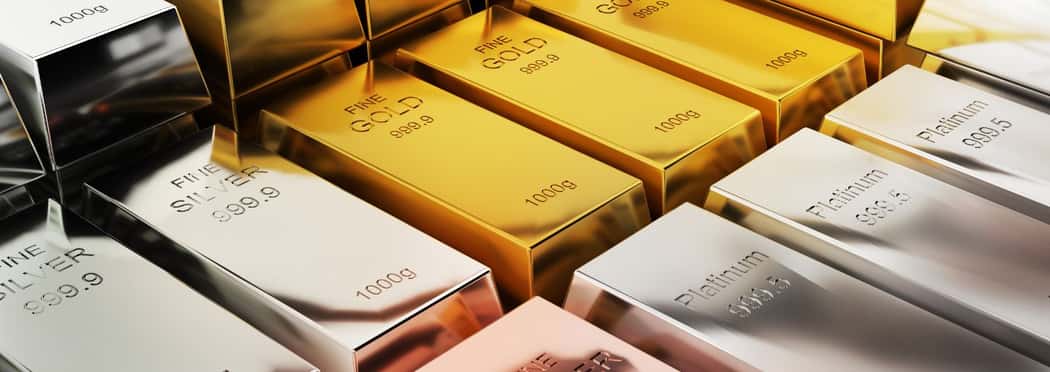
Source: Canva
Investing in precious metals can be a strategic way to diversify your investment portfolio, hedge against inflation, and gain exposure to unique market sectors. Precious metals like gold, silver, platinum, and palladium have been recognized as valuable commodities for centuries. Here’s a comprehensive guide on how to invest in these tangible assets.
Understanding Precious Metals
Before diving into the investment process, it's crucial to understand why precious metals are valuable:
- Scarcity: Precious metals are rare in the earth's crust, making them more sought-after than more abundant metals.
- Industrial Use: Metals like silver and platinum are used in various industries, including electronics and automotive, which drive their demand.
- Monetary Value: Gold and silver have been used as currency for millennia and are still considered stores of value.
- Inflation Hedge: Precious metals often retain value even when fiat currencies weaken.
Source: Canva
Ways to Invest in Precious Metals
1. Physical Metals
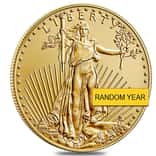
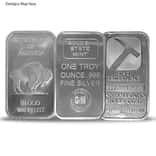
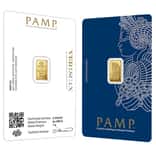
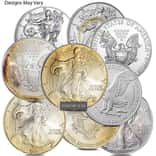
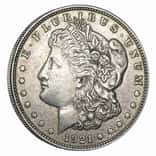
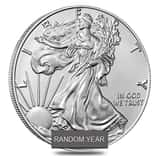
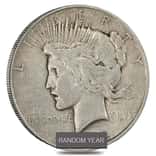
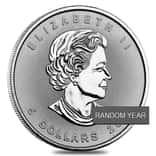
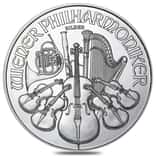
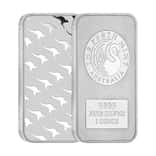
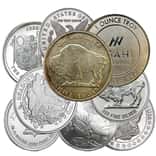
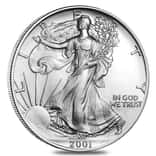
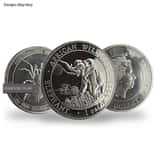
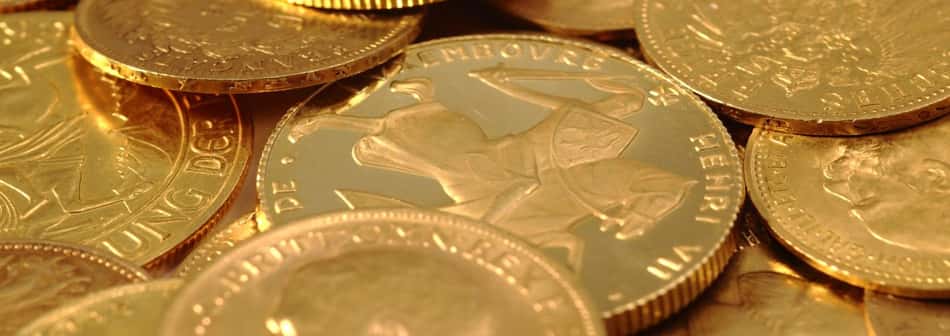
Purchasing physical bars or coins is the most direct way to invest in precious metals. Here’s how to do it:
- Dealers: Buy from reputable dealers to avoid counterfeits. Check for certifications and reviews.
- Storage: Consider secure storage options such as a home safe or a bank deposit box.
- Insurance: Insure your investment against theft or damage.
2. Precious Metals ETFs and Mutual Funds
Exchange-traded funds (ETFs) and mutual funds that focus on precious metals offer a more convenient way to invest without dealing with physical storage.
- ETFs: These funds trade on stock exchanges, with each share representing a fixed amount of metal.
- Mutual Funds: These funds invest in a variety of precious metals and mining companies, offering diversification.
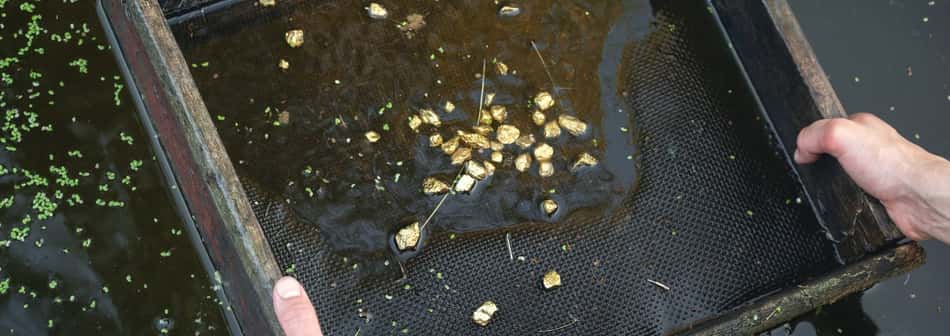
Source: Canva
3. Mining Company Stocks
Investing in companies that mine precious metals allows you to benefit from the profitability of mining operations.
- Research: Look for companies with strong production capabilities, good management, and solid financial health.
- Diversification: Consider investing in a range of companies to mitigate risk.
4. Futures and Options
Futures and options are contracts that allow you to speculate on the future price of precious metals.
- Futures: You agree to buy or sell a set amount of metal at a predetermined price on a specific date.
- Options: You purchase the right, but not the obligation, to buy or sell at a certain price within a set time frame.
5. Certificates
Certificates represent ownership of a certain amount of precious metal without the need to store the physical commodity.
- Convenience: Certificates eliminate the need for physical storage.
- Liquidity: They can be bought and sold more easily than physical metals.
Tips for Investing in Precious Metals
- Market Research: Stay informed about market trends and economic factors that affect metal prices.
- Investment Goals: Align your precious metals investment with your financial goals and risk tolerance.
- Diversification: Avoid concentrating your resources in a single area. Including precious metals can be a key component of a broader, well-diversified investment approach.
- Long-Term Perspective: Precious metals can be volatile in the short term but often hold value over the long term.
- Professional Advice: Consider consulting a financial advisor who understands commodities.
Risks of Investing in Precious Metals
- Volatility: Prices can fluctuate widely due to market sentiment, currency fluctuations, and economic events.
- No Income: Unlike stocks or bonds, precious metals do not pay dividends or interest.
- Storage and Insurance Costs: Physical metals require secure storage and insurance, which can erode profits.

Source: Canva
Conclusion
Investing in precious metals can be a prudent part of a balanced investment strategy. Whether you choose to hold physical metals, invest in ETFs or mining stocks, or trade futures and options, it's important to do your due diligence and consider the risks and rewards. With the right approach, precious metals can be a valuable addition to your investment portfolio, offering the potential for both protection and profit in uncertain economic times.
FAQs on Investing in Precious Metals
Q: Why should I consider investing in precious metals? A: Precious metals, such as gold and silver, have historically held their value over time, serve as a hedge against inflation and currency devaluation, and can diversify your investment portfolio, potentially reducing risk.
Q: What are the most common precious metals to invest in? A: The most commonly invested precious metals are gold, silver, platinum, and palladium, each with its own market dynamics and uses in various industries.
Q: How can I invest in precious metals directly? A: You can invest directly by purchasing physical forms of the metal, such as coins, bars, and bullion. These can be bought through dealers, mints, and sometimes banks.
Q: Are there ways to invest in precious metals without holding the physical metal? A: Yes, you can invest in precious metals through ETFs, mutual funds, mining company stocks, futures and options contracts, and certificates that represent ownership of the metal.
Q: What should I consider before investing in mining stocks? A: When investing in mining stocks, consider the company's stability, mining reserves, production levels, cost efficiency, and overall financial health. It's also important to consider geopolitical risks and environmental policies that may affect mining operations.
Q: Is investing in precious metals safe? A: While precious metals can add stability to your portfolio, they are not without risk. Prices can be volatile, and physical assets require secure storage. Diversification and a long-term view can help mitigate these risks.
Q: How does investing in precious metals compare to stocks and bonds? A: Unlike stocks and bonds, precious metals do not pay dividends or interest. However, they can provide a safe haven during periods of economic uncertainty when stocks and bonds might underperform.
Q: Can I use my retirement account to invest in precious metals? A: Yes, certain retirement accounts, like self-directed IRAs, allow for investment in precious metals, but there are specific rules and conditions that must be followed.
Q: How much of my portfolio should be allocated to precious metals? A: The appropriate allocation varies based on individual financial goals, risk tolerance, and market conditions. Financial advisors often recommend a range of 5-10%, but this can vary for each investor.
Q: How do I sell my precious metals investments? A: Physical metals can be sold to coin shops, precious metal dealers, or online marketplaces. Shares of ETFs and mining stocks are sold through the stock exchange, similar to any other stock transaction.
Q: What are the tax implications of investing in precious metals? A: The tax treatment of precious metals investments depends on the investment type and your jurisdiction. Physical metals are often subject to capital gains tax, while stocks and ETFs are taxed according to standard investment tax rules. Always consult a tax professional for advice.
Q: How do I ensure I'm buying real precious metals and not counterfeit? A: Purchase from reputable dealers with certification and positive reviews. For added security, consider using third-party verification services for larger purchases.