View Charts
How to Buy Gold Close to Spot?
 0
0If you're looking to save money when buying gold, purchasing it close to the spot price is a key. It's also essential to know the current spot price and have access to a reliable source of gold. Wondering how to buy gold close to spot? This article will explain how easy or difficult it would be to buy gold close to spot, and why it's important to compare prices to get the best deal.
What Is The Spot Price of Gold?
The current spot price of gold, usually quoted in US dollars, is the market price of one ounce of gold bullion. This price can be found on websites like Kitco.com and on our helpful charts page. The spot price of gold can fluctuate depending on various factors, including supply and demand, currency exchange rates, and geopolitical events.
Can I Buy Gold At Spot?
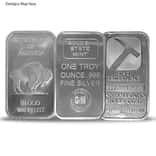
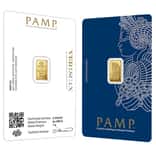
Gold can be purchased in the form of coins, bars, and rounds, and can be bought from both physical stores and online vendors. Unfortunately, it is rare to find gold sold at spot price, as most dealers and private sellers need to include premiums on the price in order to make any profit. When buying gold from a reputable seller/vendor, expect to pay a premium over the spot price of gold. The vital question is - how much should you be paying over spot?
How Much Above Spot Should I Pay for Gold?
When it comes to purchasing gold, the amount you pay above the spot price is dependent on the kind of gold and the current market conditions. Generally, gold bullion like bars and rounds have lower premiums, with bullion coins having a slightly higher premium. Numismatic coins, however, usually carry the highest premiums, which can vary according to the purity, rarity, and condition of the product. When buying gold, it is vital to consider the premiums associated with each item, and determine if they are suitable for your investment objectives.
Why Can't I Buy Gold at Spot?
Gold is a valuable metal, and it is therefore incredibly uncommon to find gold at spot price. This is because gold is not a readily available commodity and is not sold in the same way as other commodities like stocks and bonds. Gold is usually bought and sold through specialized dealers, and its price includes premiums that cover the cost of acquiring and storing the metal. Additionally, most dealers require minimum purchase amounts, which may be higher than the spot price of gold. For these reasons, one cannot purchase gold at its spot price unless one is taking advantage of a promotional offer for a limited period.
Is Physical Gold Undervalued?
Physical gold is an asset that has been around for centuries, and it has withstood the test of time. Most experts agree that it is undervalued right now due to the current economic climate. Gold is seen as a safe-haven asset, and it is seen as a hedge against inflation, deflation, and currency devaluation. Many investors believe that now is the perfect time to invest in physical gold as it could potentially increase in value over time. Physical gold also has the advantage of being a tangible asset that can be stored and held in one's possession, which adds an extra layer of security to an investor's portfolio.
How Much Physical Gold Should I Own?
There is no definitive answer to the question of “How much physical gold should I own?” It largely depends on your individual goals, financial circumstances, and risk tolerance. Generally, gold bullion is a great way to diversify your portfolio and hedge against inflation. Gold has historically outperformed stocks and bonds over the long term, and its value is not linked to any particular currency or government. If you are looking to build a secure nest egg, it is recommended to allocate 5-10% of your total assets in gold.
However, you should also consider the amount of gold you can realistically purchase, store, and protect. Gold bullion can come in various sizes, ranging from 1/20 ounce coins to 400-ounce bars. If you plan to store your gold at home, you should ensure that you have a secure place to do so, such as a safe or a safe deposit box. You should also factor in the cost of insurance when considering how much gold to purchase.
Ultimately, the amount of physical gold you should own depends on your personal financial goals and risk tolerance. If you are investing for the long term, you may want to consider allocating up to 10% of your total assets to gold bullion. However, if you are looking for short-term gains, you may want to allocate a smaller percentage of your assets to gold. It is important to do your due diligence and research the best gold investments for your individual needs.
Why is Gold Selling So High Above Spot?
Gold is selling so high above spot due to a combination of factors. The major driver is the current market conditions, which are characterized by a high level of risk aversion and uncertainty. Investors are looking for a safe-haven asset, and gold has historically been seen as a hedge against market volatility. The precious metal has also seen an increase in demand from central banks, who are buying gold to diversify their foreign exchange reserves. Furthermore, gold prices have been supported by the US dollar's weakness, as a weaker dollar increases the appeal of gold as an alternative asset. Gold is also seen as a store of value, and with global stock markets continuing to be volatile, investors are seeking a safe-haven asset to protect their wealth. Finally, geopolitical tension and uncertainty are also supporting gold prices, as investors look to gold during times of crisis. All of these factors have contributed to the current high gold prices, which are well above the spot price.
How Much Did the Price of Gold Go Up?
The price of gold has been steadily increasing over the past few years. In January 2019, the gold price was around $1,280 per ounce. By the end of December 2019, the price had increased to $1,515 per ounce, representing a gain of 18.2%. In 2020, the gold price continued to rise, reaching a peak of $1,921 per ounce in August. This represented an increase of nearly 50% from the start of the year. This rapid increase in the price of gold has been driven by a number of factors, including economic uncertainty, geopolitical tensions, and central bank stimulus. Economic uncertainty has caused investors to flock to gold as a safe-haven asset, while geopolitical tensions have caused investors to look for investments that offer protection from political risk. Central banks have also been buying gold as a hedge against inflation. All of these factors have combined to drive the price of gold higher over the past year.
Articles you may also like Queen Elizabeth II’s Coin Effigies Strengthen Her Legacy, How Many Grams Are In An Ounce of Gold, Gresham's Law: A Principle for Precious Metal Investors.