View Charts
Hobo Nickel Value: History, Prices & Collector Demand
 2
2
Why Hobo Nickel Value Is Rising Among Collectors Today
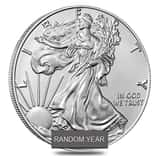
Hobo nickels have evolved far beyond their Depression-era roots, becoming one of the most distinctive and artistically driven niches in modern numismatics. In 2026, collector demand for hobo nickels continues to rise as auctions, online marketplaces, and social media communities introduce more buyers to the craftsmanship and historical appeal behind these hand-carved coins. Unlike traditional bullion like the American Silver Eagle or mint-issued collectibles, hobo nickels derive their value from originality, engraving skill, artistic reputation, and scarcity.
As collectors increasingly seek unique, story-driven assets, hobo nickels occupy a rare position between numismatic history and miniature sculptural art. Their one-of-a-kind nature has helped create a growing market where artistic execution can often outweigh the value of the original coin itself.
Why Are Hobo Nickels Called “Hobo Nickels”?
The term “hobo nickel” is believed to have originated during the early 20th century, when itinerant workers, railroad travelers, and self-taught engravers began modifying Buffalo nickels into personalized miniature artworks. While the exact origin of the name remains debated among historians and collectors, the carvings became closely associated with the “hobo” culture of the Great Depression era, when many transient workers traveled across the United States seeking employment.
The modified coins often featured exaggerated facial features, hats, beards, and rugged character designs that reflected the imagery commonly associated with traveling laborers of the time. Over the decades, the nickname “hobo nickel” became the widely accepted term for these hand-carved coins, even as the art form evolved far beyond its original historical roots.
From Circulation Coin to American Folk Art
The origins of hobo nickels trace back to the early 20th century, particularly during the Great Depression, when itinerant workers and self-taught engravers began modifying Buffalo nickels into personalized works of art. Using simple carving tools, artists transformed the Native American portrait on the obverse into entirely new characters featuring hats, beards, exaggerated expressions, and stylized facial details.
Buffalo nickels became the preferred “canvas” because of their large design features and durable composition. Since each carving was completed by hand, no two hobo nickels were ever exactly alike. What began as a form of folk expression eventually developed into a recognized collectible category with dedicated artists, collectors, and auction markets.
Today, original Depression-era carvings are viewed not only as numismatic pieces, but also as artifacts of American cultural history.
How Hobo Nickel Value Is Determined
Unlike bullion coins, hobo nickels are not valued based on precious metal content, spot price volatility, or standard rarity metrics alone. Instead, pricing is influenced by a combination of artistic, historical, and market-driven factors.
Key valuation drivers include:
1. Artist Recognition
Modern and historical engravers significantly impact pricing. Well-known artists such as George Washington “Bo” Hughes or Bertram “Bert” Wiegand command strong premiums.
2. Craftsmanship Quality
Depth of carving, detail precision, and originality all influence desirability. High-relief carvings with intricate features typically achieve higher prices.
3. Coin Host and Condition
The underlying coin still matters:
-
Buffalo nickels are the most desirable base
-
Better-preserved host coins enhance overall value
4. Provenance and Rarity
Documented history or limited works from specific artists can elevate value significantly.
In today’s market, prices can range from:
-
$50–$200 for basic modern carvings
-
$500–$2,000+ for high-quality contemporary works
-
$5,000+ for rare historical examples
Understanding the Wide Price Range
The hobo nickel market spans a surprisingly broad pricing spectrum. Entry-level modern carvings may sell for under $100, while exceptional contemporary works can reach several thousand dollars. Rare historical examples tied to well-known artists or important collections may command even higher prices at auction.
In many cases, the artistic reputation of the engraver matters more than the underlying coin date. This creates a market dynamic more comparable to fine art collecting than traditional coin grading.
Modern collectors are increasingly willing to pay premiums for signed carvings, limited artist releases, high-relief engraving work, historically documented pieces, and highly original thematic designs. Because every hobo nickel is unique, market pricing remains highly individualized compared to standardized bullion products.
Vintage vs. Modern Hobo Nickels
The hobo nickel market is now divided into two primary categories: vintage carvings and modern artistic engravings.
Vintage hobo nickels, most commonly created on Buffalo nickels minted between 1913 and 1938, were primarily produced from 1913 through the 1940s and are valued for their authenticity, rarity, and historical significance. Many of these hand-carved pieces originated during the Great Depression, when itinerant workers and self-taught engravers transformed circulated coins into miniature folk-art creations. While vintage carvings often feature rougher and less refined engraving techniques than modern examples, collectors highly value them for their originality and strong connection to early American culture and numismatic history.
Modern hobo nickels, particularly those produced after the hobby’s revival in the 1980s and 1990s, tend to display significantly more advanced engraving quality. Contemporary artists frequently use professional tools, microscopes, and refined sculpting methods to create highly detailed miniature artworks.
While vintage pieces remain historically important, many modern engravings surpass older carvings in technical precision and visual complexity. This has helped expand the market beyond traditional numismatics into broader collectible and art-focused audiences.
Why Hobo Nickels Differ From Traditional Coin Collecting
Hobo nickels occupy an unusual space within the collectibles market because they blend elements of coin collecting, sculpture, engraving, and folk art.
Traditional numismatics often focuses heavily on mintage figures, mint errors, population reports, grading scales, and historical rarity. Hobo nickels function differently because each carving is unique. There is no standardized grading structure comparable to traditional coins, and collector preference, artistic style, and originality often play a much larger role in determining value.
This subjectivity is one reason why hobo nickels continue attracting collectors looking for alternatives to conventional numismatic investing.
Bullion Value vs. Artistic Value
One of the most important distinctions for new collectors is understanding that hobo nickels have little connection to bullion value. Standard Buffalo nickels contain only modest intrinsic metal value because they are composed primarily of copper and nickel rather than precious metals.
The value instead comes from artistic execution, historical importance, artist reputation, collector demand, and scarcity. This allows hobo nickels to achieve values far above their original face value or metal content, similar to how fine art or rare collectibles appreciate independently of raw materials.
Auction Activity and Growing Collector Demand
In recent years, specialized auctions and online marketplaces have significantly expanded visibility for hobo nickels. Auction trends now show increasing demand for signed modern engravings, strong premiums for vintage carvings, growing crossover interest from art collectors, and higher online bidding activity.
As collectible markets increasingly favor unique and visually distinctive assets, hobo nickels have benefited from broader trends toward handcrafted and story-driven collectibles.
Supply Constraints Continue Supporting Values
Unlike mint-issued coins that can be mass produced, hobo nickels remain inherently scarce because each piece requires extensive manual engraving work. Even modern artists typically produce relatively small annual outputs due to the time and precision involved.
Supply is naturally limited by the number of skilled engravers, the time-intensive carving process, availability of suitable Buffalo nickel host coins, and overall artist production capacity. This limited supply structure continues supporting long-term collector interest as demand gradually expands.
The Growing Role of Artist Communities
Modern hobo nickel culture has become increasingly organized through artist associations, engraving competitions, conventions, and online collector communities. Organizations such as the Original Hobo Nickel Society (OHNS) have helped legitimize and preserve the hobby by promoting artist recognition, educational resources, carving competitions, and collector networking opportunities. These groups also play an important role in helping collectors better understand authentication, craftsmanship standards, and the historical significance of hobo nickel engraving.
Competitions, exhibitions, and online showcases have further elevated hobo nickels from niche curiosities into a more widely recognized collectible art form. Many collectors now follow specific engravers much like traditional art collectors follow painters or sculptors, with certain artists developing strong reputations and dedicated buyer demand.
This expanding community infrastructure has helped strengthen market legitimacy while encouraging a new generation of engravers and collectors to enter the hobby.
How Hobo Nickels Fit Into Modern Collecting
For many collectors, hobo nickels provide a unique form of diversification within a broader portfolio of tangible assets. They combine several qualities rarely found together: historical significance, individual craftsmanship, artistic originality, scarcity, and strong visual appeal.
Because their market behavior is less directly tied to precious metals prices or traditional numismatic cycles, hobo nickels can occupy a distinct niche within alternative collectibles.
Collectors who already own bullion, rare coins, or historical artifacts often view hobo nickels as complementary pieces that add artistic character and individuality to a collection.
Liquidity and Market Considerations
Despite growing popularity, hobo nickels remain a relatively specialized market compared to mainstream bullion or certified rare coins. Liquidity often depends heavily on artist recognition, provenance, and overall craftsmanship quality.
Most sales occur through specialized dealers, numismatic auctions, private collector transactions, and online marketplaces. Because pricing can be subjective, collectors generally benefit from focusing on quality, authenticity, and long-term desirability rather than short-term speculation.
Buyers entering the market should also research artist reputations carefully, since provenance and authenticity play major roles in long-term value retention.
The Future of Hobo Nickels in 2026 and Beyond
As interest in alternative collectibles continues expanding, hobo nickels are increasingly positioned within a broader movement toward tangible, artistic, and historically meaningful assets. Modern collectors are placing greater value on individuality and craftsmanship, trends that strongly favor the hobo nickel market.
At the same time, digital marketplaces and collector communities continue exposing new audiences to the category. This growing visibility may help sustain long-term demand for both vintage carvings and contemporary engraved works.
What once began as improvised folk art created during economic hardship has evolved into a respected collectible market blending American history, engraving skill, and artistic expression.
Where Hobo Nickels Stand in Today’s Collectibles Landscape
Hobo nickels are no longer obscure novelties hidden within niche numismatic circles. In today’s collectibles landscape, they represent a unique fusion of coin collecting, historical storytelling, and miniature sculptural art. Their appeal comes not from bullion value or mass production, but from individuality, craftsmanship, and scarcity.
As collector preferences continue shifting toward distinctive and story-driven assets, hobo nickels remain uniquely positioned to bridge the gap between traditional numismatics and fine art collecting. For many enthusiasts, that combination of history, artistry, and rarity is exactly what makes them so compelling in 2026.
2 Comments