View Charts
Hoarding Pennies: Why Americans Save Coins When They Disappear
 0
0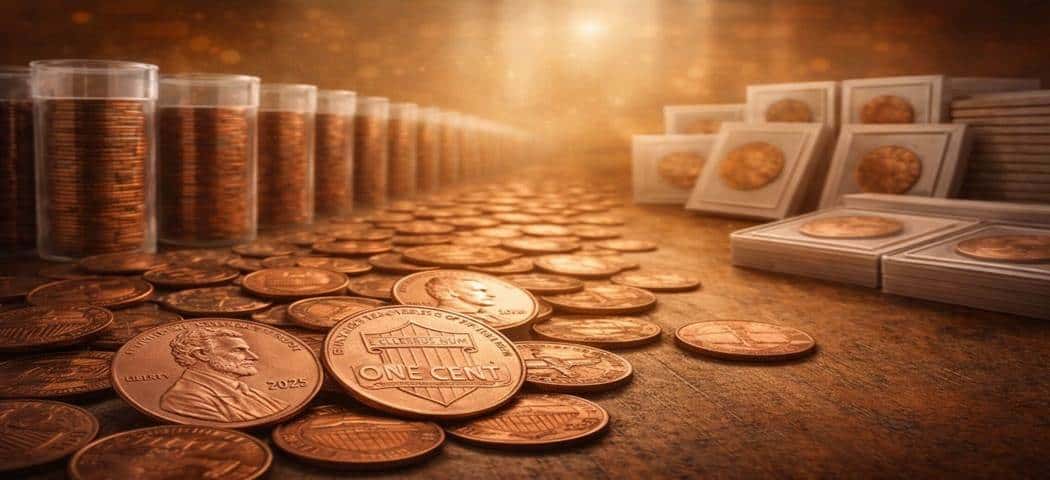
Why the End of the Penny Has Rekindled Hoarding
The end of U.S. penny production has reignited a familiar behavior: people saving coins that are no longer being made. When a denomination disappears, it often shifts from everyday object to historical artifact almost overnight. Pennies—long dismissed as inconvenient—now carry symbolic weight as the final representatives of a 232-year chapter in American coinage.
This reaction is not unique to pennies. Throughout history, moments of monetary transition have consistently triggered hoarding, driven by a mix of psychology, nostalgia, and perceived opportunity.
Coin Hoarding vs. Coin Collecting
Coin hoarding differs fundamentally from traditional numismatic collecting. Collectors pursue scarcity, condition, and historical importance with intention. Hoarders, by contrast, often save coins directly from circulation, motivated by the belief that “they won’t make these anymore.”
Hoarding typically falls into three overlapping categories:
-
Circulation hoarding, where everyday coins are saved at face value
-
Metal-driven hoarding, focused on intrinsic copper, silver, or gold content
-
Speculative hoarding, anticipating future scarcity or collector demand
Hoarding is less about present rarity and more about future potential.
Why People Hoard Coins When They’re Discontinued
The psychological response to discontinuation is powerful. When production stops, scarcity becomes fixed, and uncertainty fills the gap. People tend to hoard coins for several interconnected reasons:
-
A desire to preserve something familiar that is “going away”
-
Fear of missing out on future value
-
Distrust of changing monetary systems
-
Historical awareness that past hoards sometimes paid off
Hoarding often provides emotional reassurance, even when financial outcomes are uncertain.
Does Hoarding Coins Actually Make Sense?
Hoarding can make sense under specific conditions, but history shows it is far from guaranteed. Hoards tend to succeed when:
-
The coins contain meaningful intrinsic metal value
-
The hoarding event coincides with a major monetary change
-
The coins remain well preserved over long periods
Hoarding fails most often when coins are overly common, poorly stored, or saved without selectivity. Volume alone does not create rarity.
Why Pennies Are Being Hoarded Today
Pennies are being hoarded now not because they are suddenly rare, but because they are final. Final-year coins, transition issues, and discontinued denominations consistently attract long-term interest. For pennies, additional factors include:
-
Loss of purchasing power
-
Pre-1982 copper content
-
Nostalgia tied to daily use
-
Symbolism as the last circulating cent
For many, hoarding pennies is about preserving history rather than chasing immediate profit.
Historic Moments When Americans Hoarded Coins
Silver Coin Hoarding of the 1960s
When the U.S. removed silver from dimes, quarters, and half dollars in 1965, public confidence in circulating coinage shifted dramatically. Americans instinctively pulled pre-1965 silver coins from circulation, often without understanding precise silver content.
Psychologically, this hoarding reflected distrust in debased coinage and a desire to retain “real money.” Financially, it proved justified. Junk silver coins later appreciated substantially as silver prices rose, turning everyday change into tangible wealth.
Gold Coin Hoarding Before and After Confiscation
Gold coin hoarding intensified during the Great Depression, particularly after President Franklin D. Roosevelt issued Executive Order 6102 in 1933, which prohibited most private ownership of monetary gold. At the time, Americans were required to surrender gold coins, bullion, and gold certificates in exchange for paper currency, effectively removing gold from everyday circulation. In response, many individuals quietly withheld gold coins—especially coins such as $20 Saint Gaudens Double Eagles, $10 Eagles, and $5 Half Eagles—viewing them as stores of personal financial independence rather than mere collectibles.
These hoarded coins were often hidden in safes, walls, and bank vaults, sometimes forgotten for decades. Because compliance with the order was uneven, surviving pre-1933 gold coins later became scarce in high grades, elevating their numismatic value well beyond their gold content.
Gold hoarding surged again after private gold ownership was re-legalized in 1974, amid rising inflation, currency instability, and distrust of fiat money. Collectors and investors sought out pre-1933 gold coins not only for their intrinsic gold value, but also for their historical exemption status and collectible appeal. Many long-hidden hoards began to surface through estate sales, bank liquidations, and major auctions, often commanding substantial premiums due to rarity, condition, and well-documented provenance.
These discoveries reinforced a recurring lesson in numismatics: gold hoards frequently reveal their true value only over long time horizons, shaped by historical context as much as by gold spot prices.
Copper Penny Hoarding (1980s–Present)
As copper prices rose in the late 20th century, pre-1982 pennies—with their higher copper content—were pulled from circulation en masse. This hoarding was driven less by nostalgia and more by arithmetic: the metal inside the coin approached or exceeded face value.
While melting remains restricted, these hoards demonstrate how metal value alone can motivate widespread saving behavior.
Morgan Silver Dollar Hoards: A Lesson in Patience
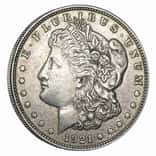
Perhaps the most instructive hoarding examples come from Morgan Silver Dollars. Struck between 1878 and 1921, millions were hoarded by banks, vaults, and individuals—not for rarity, but because they were bulky, unpopular, and stored rather than circulated.
For decades, Morgan dollars were considered common. That perception changed dramatically in the mid-20th century when large Treasury and private hoards were released. Collectors discovered:
-
Uncirculated coins preserved for generations
-
Previously unknown date and mintmark availability
-
Enormous variation in condition and strike quality
Some hoards, such as those dispersed through Treasury releases and estate discoveries, transformed the Morgan dollar market. Coins once ignored became five- and six-figure rarities. Crucially, it took decades for their true value to be realized—a key lesson for modern hoarders.
What Coins Are Historically Hoarded—and Why
Coins most often hoarded share consistent traits:
-
Removal from circulation
-
Metal value significance
-
Clear historical context
-
Long-term storage potential
Pennies now join this category—not as immediate rarities, but as historical artifacts.
Hoarding vs. Investing: Understanding the Difference
Hoarding is passive and speculative, while investing is deliberate and informed. Investors evaluate factors such as condition, liquidity, certification, and long-term demand—elements that hoarders often overlook when saving coins in bulk. Investing also involves planning for eventual resale, understanding market cycles, and recognizing which coins historically attract sustained collector interest.
Recognizing this distinction helps align expectations with reality and encourages a more intentional approach to building long-term value.
Should You Hoard Pennies Today?
Hoarding pennies may make sense for those interested in history, long-term preservation, or generational keepsakes. It is less suited to those expecting fast returns or guaranteed appreciation.
Pennies are unlikely to replicate the silver coin hoards of the 1960s—but history shows that time, context, and patience matter more than immediacy.
What History Suggests About Hoarded Pennies
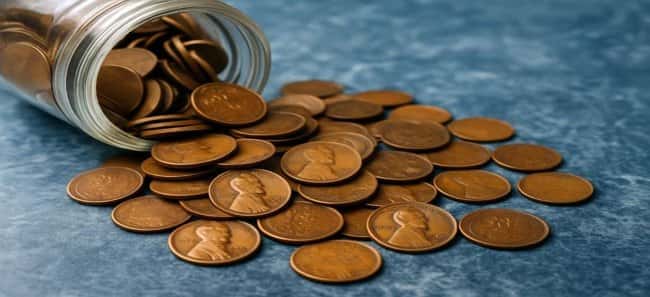
History shows that hoarding coins is rarely about immediate payoff—it is about time, context, and collective memory. A useful comparison can be found in Lincoln Wheat Pennies, which were once ordinary pocket change and widely saved when the design ended in 1958. While most Wheat Pennies remain modest in value today, certain dates, mintmarks, and high-grade examples have become highly desirable collectibles, illustrating how long-term demand gradually separates the ordinary from the exceptional.
A similar uncertainty now surrounds the final circulating Lincoln Shield Cents. Whether these discontinued pennies ultimately emerge as valuable collectibles or remain primarily symbolic keepsakes will depend on factors that only time can reveal, including collector interest, survival rates, overall condition, and historical perspective.
What is already clear is that the end of penny production has permanently changed how these coins are viewed. No longer just spare change, they now represent a completed chapter in American monetary history. As past hoards of Wheat Pennies, silver coins, gold coins, and Morgan dollars have shown, value often emerges slowly, rewarding patience rather than speculation.
In that sense, hoarding pennies today is less about predicting prices and more about preserving a tangible piece of everyday history—one that future collectors may interpret very differently than we do now.