View Charts
GOLD, SILVER, AND BITCOIN PRICES, DAILY MARKET NEWS. MAY 2023.
 0
0Central Banks' Record Gold Purchases Amid Dollar Weaponization and Inflation Concerns
May 31, 2023

Recently, economist Warren B. Mosler observed that central banks are buying gold at a record pace. This development has raised questions about the potential implications for global inflation.
Central Bank Gold Purchases and Inflation
One might wonder what connection exists between central bank gold purchases and inflation. At the surface level, these purchases, even in large quantities, don't significantly influence inflation.
To understand this, we can use some simple math. A metric ton of gold equates to 32,150.7 troy ounces. As of May 29, 2023, the price of gold was $1952 per troy ounce. Therefore, one metric ton of gold would be worth roughly $62.7 million. Even if central banks purchased 120 tons of gold, the total value would amount to around $7.5 billion.
While this might seem like a substantial sum, it pales in comparison to the U.S. debt, which is quickly approaching $32 trillion. Hence, these gold purchases, in themselves, aren't likely to move the needle on global inflation.
Unraveling the Underlying Factors
If gold purchases aren't directly causing inflation, why the record pace? The answer lies not in inflation fears but in concerns over the weaponization of the U.S. dollar.
The U.S. has increasingly used its dollar as a tool for implementing foreign policy, particularly in its dealings with Russia amid the conflict in Ukraine. It's undertaken measures such as the confiscation of Russia's dollar reserves – an unprecedented move that many views as overstepping legal boundaries.
These actions have placed other nations in a difficult position, essentially a no man's land. On the one hand, avoiding the dollar is a challenging task given its status as the world's reserve currency. On the other, the U.S.'s willingness to weaponize the dollar creates substantial risk.
Implications for the Future
The weaponization of the U.S. dollar carries significant implications. It's an irreversible move that could lead to a currency crisis. However, predicting when such a crisis might occur is not straightforward.
In the short term, these moves have resulted in symbolic actions, such as the record pace of gold purchases by central banks. In the long term, the repercussions could be much more profound, shaking the foundations of the global financial system.
As the global economic landscape evolves, the role of gold, the U.S. dollar, and inflation will continue to be at the center of discussions. The recent record pace of gold purchases by central banks underscores these ongoing complexities and the unpredictable future that lies ahead.
Today in precious metals, gold prices grew 0.54% to $1,968.34 per ounce. Silver jumped 1.62% to $23.54 per ounce. Platinum decreased by 1.82% to $995.00 per ounce, while Palladium sunk by 2.27% to $1,367.82 per ounce. Bitcoin dipped 2.97% to $26,888.42.
What could be the potential implications of central banks' record gold purchases on the global financial system, particularly considering the increasing weaponization of the U.S. dollar?
BRICS Nations Poised to Challenge Dollar Dominance
May 30, 2023
As emerging economies continue to grow and evolve, they may one day challenge the U.S. dollar's status as the world's dominant currency, says prominent economist Jim O’Neill, former Chairman of Goldman Sachs Asset Management.
In an interview with the TV show Going Underground, O’Neill, who famously coined the acronym "BRIC" (later expanded to include South Africa), discussed the potential for these rising economies to disrupt the established order.
“The idea that the dollar will remain king forever, I think, is probably unlikely,” he said, acknowledging that such a transition won't happen overnight but may be inevitable in the long term.
The term "BRICS" refers to the five fast-developing nations of Brazil, Russia, India, China, and South Africa. O’Neill initially introduced the concept in 2001, forecasting that these countries were set to play pivotal roles in the world economy's future shape.
Two decades later, the economist believes that the world's financial landscape has shifted significantly, with the BRICS nations collectively outpacing the G7 economies. In terms of purchasing power parity, the BRICS countries now hold a larger share of global GDP than the G7, according to O’Neill.
He speculated that the U.S. dollar's decline as the world's foremost currency could be hastened if China and India, the BRICS group's two largest economies, could find robust areas of agreement.
“I do think if China and India could ever strongly agree on things as the two biggest countries in the emerging world… then that would probably hasten the end of the dollar’s dominance,” he explained.
Moreover, O’Neill highlighted that an increasing number of countries are considering joining the BRICS alliance. However, he suggested that the existing members should weigh the potential benefits these new entrants could bring.
The economist suggested that a viable alternative to the dollar-backed financial system could emerge from within the BRICS nations. However, O’Neill stipulated that "in order for the dollar to end, there has to be some alternative.”
As for Russia, which has faced escalating Western sanctions, O’Neill noted that it had proved more resilient than many observers expected, largely due to its strong ties with the other BRICS nations.
Nevertheless, he also cautioned that it remains unclear whether Russia could continue to withstand persistent and intensifying sanctions in the long run.
As the BRICS nations continue to grow and assert their influence, the potential for a new financial order to emerge becomes increasingly plausible. The times are changing, and with it, the dollar's unchallenged reign may be nearing its twilight.
Today in precious metals, gold prices grew 0.50% to $1,953.62 per ounce. Silver dipped 0.20% to $23.08 per ounce. Platinum decreased by 0.44% to $1,019.00 per ounce, while Palladium sunk by 1.00% to $1,392.88 per ounce. Bitcoin spiked 0.39% to $27,857.42.
What factors might influence the BRICS nations' potential to challenge and possibly overturn the U.S. dollar's dominance in the global economy?
Stubborn High Inflation Continues to Challenge the Fed
May 26, 2023
As inflation continues to remain persistently high, there is increasing concern that interest rates may need to stay elevated for a longer period. A key Federal Reserve metric, the personal consumption expenditures (PCE) price index, showed a 0.4% rise in April, excluding food and energy costs. This rise exceeded the predicted increase of 0.3%.
This year-on-year inflation gauge rose by 4.7%, a slight increment of 0.1% above expectations, as reported by the Commerce Department. When considering food and energy costs, the PCE also rose by 0.4% and exhibited an annual rise of 4.4%, a rate surpassing the 4.2% of the previous month.
Despite this inflationary climate, consumer spending remained strong due to an increase in personal income. Spending and personal income rose by 0.8% and 0.4% respectively, outpacing the projected 0.4% for both.
In terms of price increases, both goods and services saw almost even growth, with a rise of 0.3% and 0.4% respectively. Food prices fell marginally, less than 0.1%, while energy prices rose by 0.7%.
On a year-on-year basis, goods prices rose by 2.1%, and services increased by 5.5%, signifying a transition back towards a service-centered economy. Food and energy prices rose by 6.9% and fell by 6.3% respectively.
While market reactions were relatively muted, the sustained inflation could impact the Federal Reserve's upcoming policies. George Mateyo, the chief investment officer at Key Private Bank, noted that the Fed may need to reassess its plans due to these higher-than-anticipated inflation figures.
The current inflation levels are significantly above the Federal Reserve's target of around 2%. This persistent rise may lead to the continuation of the Fed's aggressive policies implemented over the past year.
Despite higher interest rates and inflation, consumers continue to spend, suggesting that the Fed may need to intervene further to control demand. Market expectations now point to a 56% chance of the Fed implementing another quarter percentage point interest rate hike at their June meeting.
Even with inflationary pressure, demand for durable goods saw an unexpected increase of 1.1% in April. To maintain spending, consumers reduced their savings rate to 4.1%, a drop of 0.4% from March.
The persistently high inflation and its potential implications come amidst economic uncertainty. Factors such as rising interest rates, anticipated credit crunches in the banking industry, and various consumer pressures are fueling recession expectations.
However, recent reports indicate that the economy grew more than initially reported in the first quarter. The GDP rose at a 1.3% annualized pace, up from the previous estimate of 1.1%.
Policymakers at the Federal Reserve are now confronted with balancing inflation concerns against the potential fallout from troubles in the banking industry. The course of action that the Federal Reserve takes next will be crucial in determining the trajectory of the economy in the months to come.
Today in precious metals, gold prices grow 0.19% to $1,943.59 per ounce. Silver jumped 0.93% to $23.18 per ounce. Platinum increased by 0.54% to $1,025.00 per ounce, while Palladium rose by 1.24% to $1,433.50 per ounce. Bitcoin spiked 1.05% to $26,755.41.
How might the persistently high inflation rates impact the Federal Reserve's policy decisions, and what could be the potential repercussions on the U.S. economy in the long term?
Fitch Ratings Warning Adds Urgency to U.S. Debt Ceiling Negotiations
May 25, 2023
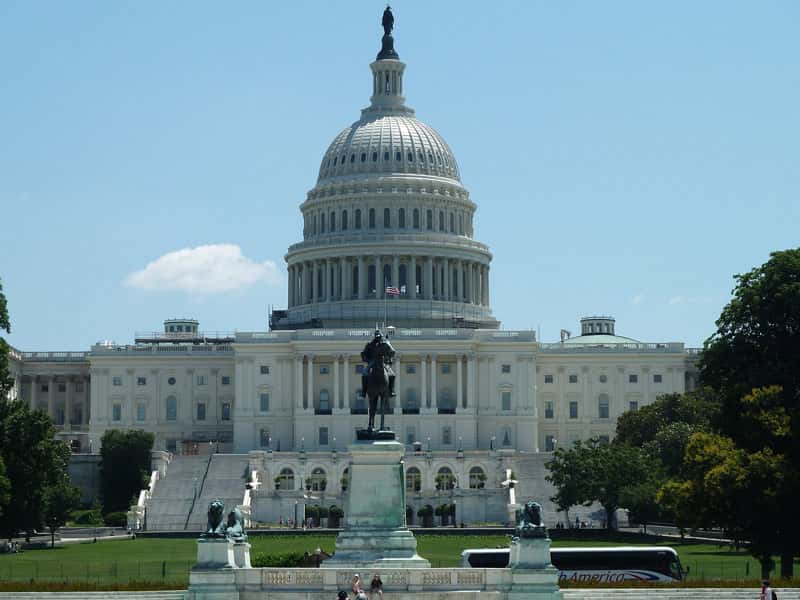
Debt ceiling negotiations between the White House and congressional Republicans have gained new urgency in the wake of a warning from Fitch Ratings. The globally recognized credit rating agency expressed concern over the U.S. debt situation, adding pressure just days before the country could potentially default on its debt.
Fitch Ratings placed the United States triple-A credit status on "rating watch negative" late last week. The agency indicated a possible downgrade if Congress fails to raise or suspend the debt limit by the Treasury Department's June 1 deadline. The main concern is the lack of significant steps by the U.S. authorities to address medium-term fiscal challenges leading to increasing budget deficits and a growing debt burden.
In response to the news, House Speaker Kevin McCarthy assured financial markets that an agreement would be reached. However, after over a week of nearly constant discussions, negotiations have made little visible progress.
Adding to the sense of urgency is the decision by House leadership to send members home for a weeklong recess. However, they were instructed to be ready to return to Washington D.C. if their votes were needed to pass a compromise bill resulting from the discussions between the White House and congressional Republicans.
Despite the tense situation and apparent lack of progress, some signs of optimism exist. The Chairman of the Republican Study Committee, Rep. Kevin Hern of Oklahoma, suggested that a deal was within reach and could potentially be agreed upon by Friday afternoon.
However, Democrats have voiced increasing criticism over the lack of regular updates from the White House regarding the state of the negotiations. In contrast, the White House has defended its approach, stating that President Biden has been discussing the debt ceiling issue for months.
As the June 1 deadline approaches, the global community watches closely. The outcome of these negotiations has potential implications not only for the U.S. but for the stability of the global economy. The debt ceiling talks underline the importance of continued fiscal responsibility and forward planning in maintaining economic stability.
Today in precious metals, gold prices fell 0.65% to $1,944.25 per ounce. Silver dropped 0.93% to $22.83 per ounce. Platinum increased by 0.63% to $1,028.00 per ounce, while Palladium rose by 0.46% to $1,418.50 per ounce. Bitcoin sunk 1.56% to $26,242.41.
What could be the potential implications for the U.S. economy and its global standing if the debt ceiling is not raised in response to Fitch Ratings' warning?
Poland Boosts Gold Reserves Amid Global Economic Uncertainty
May 24, 2023

Poland, in a move signaling confidence in gold's enduring value, has resumed the accumulation of the precious metal in its national reserves.
According to data released by the National Bank of Poland, nearly 15 tons of gold were added to the country's reserves in April. This surge represents the most substantial increment since June 2019 when the bank added almost 100 tons of gold to the reserves.
This latest acquisition raises the value of Poland's gold reserves from $14.55 billion to a remarkable $15.52 billion, highlighting the importance placed on the precious metal as a strategic asset.
Poland's official gold holdings, currently accounting for about 8.5% of the National Bank of Poland's total reserves, are now ranked 22nd globally. Back in 2021, the Bank of Poland President, Adam Glapiński, announced plans to procure an additional 100 tons of gold in 2022, citing the metal's financial security and stability. This recent addition could indicate that the bank is initiating another cycle of procurement to achieve this ambitious target.
Gold's unique properties have increasingly caught the attention of policymakers and financial institutions worldwide. Being immune to credit risk and impervious to the economic policies of any country, gold is extremely durable and virtually indestructible.
Glapiński also highlighted that gold's relatively low correlation with other asset classes, particularly the US dollar, which dominates the NBP reserve portfolio, effectively reduces financial risk in investment processes.
Glapiński's comments hint at growing concerns about the US dollar's stability. This apprehension has expedited the trend toward de-dollarization globally, with Poland and other nations accumulating more gold. In 2019, Poland repatriated 100 tons of gold from England, reinforcing the sentiment that gold symbolizes a nation's strength.
In recent years, central banks worldwide have significantly increased their gold reserves. Central bank gold reserves surged by 228 tons in the first quarter of 2023 alone, setting a new Q1 record — an impressive 38% higher than the previous first-quarter record set in 2013. Overall, central bank gold acquisitions in 2022 reached 1,136 tons, the highest level since 1950 and marking the 13th consecutive year of net central bank gold purchases.
As per the World Gold Council, two key factors drive central bank gold buying: gold's robust performance during crisis periods and its enduring role as a long-term store of value.
Amid mounting geopolitical uncertainty and rampant inflation worldwide, central banks are increasingly turning to gold as a reliable, long-term investment. In Poland's case, the surge in gold reserves underscores this global trend and the nation's strategic financial planning.
Today in precious metals, gold prices fell 0.77% to $1,959.86 per ounce. Silver dropped 1.52% to $23.08 per ounce. Platinum decreased by 2.33% to $1,023.40 per ounce, while Palladium dipped by 3.29% to $1,397.00 per ounce. Bitcoin sunk 3.56% to $26,237.48.
How will the accumulation of gold reserves contribute to the stability and growth of Poland's economy in the face of global economic uncertainties?
The Failed Experiment: Nigeria's Troubled Path to a CBDC
May 23, 2023

As the world shifts into the digital age, central banks worldwide are exploring Central Bank Digital Currencies (CBDCs). However, the first African attempt to implement a CBDC, eNaira in Nigeria, has stumbled significantly, leading to public outcry and widespread unrest.
Initiated by the Central Bank of Nigeria (CBN), the eNaira program was created on the Hyperledger Fabric blockchain, promising the capacity to handle 2,000 transactions per second. With a gentle rollout in October 2021, the government sought to incentivize citizens to embrace the new digital currency. Despite these efforts, the public remained reluctant to abandon their familiar paper notes.
Recognizing the resistance, the CBN decided to implement more assertive measures by October 2022. It proposed the cancellation of the traditional currency with the goal of asserting its control over the currency in circulation. Consequently, Nigerians were given a tight deadline until January 31, 2023, to convert their cash into eNaira, as the paper notes would no longer hold legal tender status after this date.
Nigeria, unfortunately, is not new to such disruptive strategies, having experienced currency cancellation in the past. However, the Central Bank's ambitious goal to achieve a 100% cashless society via eNaira led to substantial public dissent. Despite the bank's efforts, fewer than 0.5% of Nigerians adopted eNaira, and protests swept across the nation.
In an unprecedented move on December 2, 2022, the CBN issued a strict ban on physical cash to all banking institutions. The new regulations capped cash withdrawals to ₦100,000 ($225) per week for individuals and ₦500,000 ($1,123) for businesses. For larger withdrawals, individuals had to pay a processing fee ranging from 5% to 10%. Even ATMs imposed daily limits of ₦20,000 ($45) and only offered notes of ₦200 ($0.45) or lower.
Bloomberg highlighted that 90% of Nigerian transactions were cash-based before the transition to CBDC. The demonetization reduced available cash from 3.2 trillion nairas to 1 trillion nairas and forced the central bank to generate over 10 billion eNairas.
With the majority of Nigerians not ready to embrace the shift to digital currency, the nation's socio-economic fabric, largely dependent on cash transactions, has been dramatically disrupted. As a result, ongoing protests and public grievances continue to unfold.
Given the tumultuous transition to CBDC in Nigeria, it is clear that certain powers are using the country and others as testing grounds for future rollouts in the Western world.
It is crucial for the Western populace, especially Americans, to take heed of Nigeria's experience, as their economy has never undergone a currency cancellation. The Federal Reserve's public interest in exploring a CBDC under the guise of public "convenience" highlights the importance of public debate and scrutiny.
Today in precious metals, gold prices fell 0.07% to $1,967.50 per ounce. Silver dropped 0.93% to $23.42 per ounce. Platinum decreased by 1.22% to $1,054.00 per ounce, while Palladium dipped by 2.08% to $1,459.00 per ounce. Bitcoin rose 1.56% to $27,317.46.
What potential outcomes could the failed transition to CBDC in Nigeria signal for the future of digital currency adoption in the U.S., and how might this impact both countries' economic stability and public trust in their respective central banks?
U.S. Legislators Engage in Intense Debate Over Stablecoin Regulations
May 22, 2023
A fierce debate has ignited within U.S. legislative circles surrounding the future regulatory landscape of stablecoins, a specific type of cryptocurrency that aims to maintain price stability by being pegged to a reserve asset such as the US dollar.
The primary contention in the May 16th discussions was centered around the degree of regulatory control to be vested in state authorities and the Federal Reserve.
Chairing the Subcommittee on Digital Assets, Rep. French Hill (R-Ark.) vocally supports a legislative blueprint that endows state regulators with increased authority. On the other hand, Rep. Maxine Waters (D-Calif.), the leading Democrat on the overarching committee, pushes for an influential role for the Federal Reserve in the Democrat's regulatory proposal.
In direct opposition to Waters' prior contention, Hill put forth the argument that assigning regulatory oversight to states would not equate to a regression in establishing a cogent legal foundation. Hill emphasized, "We're not starting from scratch." He highlighted the considerable similarities shared between the proposals of the two parties.
Nonetheless, Waters maintained that the Republican proposal falls short on "several critical positions," a stance that has widened the divide between the two parties.
Stablecoins, like Tether and Circle, the two dominant U.S. stablecoins, serve as digital assets tied to the U.S. dollar's value and play a significant part in the crypto landscape. Amid the volatility inherent to the crypto markets, these stablecoins are designed to provide a financial sanctuary. They offer a more accessible and cost-effective means for conducting financial transactions, bypassing the traditional financial system, and facilitating international dealings.
The dual objective of consumer protection and the preservation of the U.S. dollar's global prominence is a shared aim across both Republicans and Democrats. Enacting regulations for dollar-pegged stablecoins within the United States could significantly contribute towards these aims.
As the crypto industry waits for clarity on U.S. regulations, the recent increase in congressional hearings devoted to stablecoins and cryptocurrencies has injected a sense of optimism. A consensus on stablecoin regulation would represent a momentous initial step towards formalizing oversight of the U.S. crypto industry.
Douglas Arner, a University of Hong Kong economist, put forth the argument for "an appropriate registration or licensing regime" in a 2020 paper for the Bank of International Settlements. He contended that regulatory clarity would aid crypto entrepreneurs with long-term aspirations in the sector.
Yet, a significant hurdle remains in the form of the Senate Banking Committee, chaired by Sen. Sherrod Brown (D-Ohio), who has not indicated a willingness to push such a bill forward.
Additionally, the prospect of a digital dollar has come under scrutiny. Along with Rep. Jake Auchincloss (D-Mass.), Hill has put forth a bipartisan bill to prevent the Federal Reserve from issuing a government-backed digital currency. Hill expressed concerns about potential government surveillance and restrictions on individual financial transactions.
Meanwhile, Florida Governor Ron DeSantis has signed a bill into law banning any U.S. central bank digital currency (CBDCs) from being considered as legal tender in the state, further underlining the ongoing discussions around digital currencies. As legislators wrestle with the task of crafting coherent, effective regulations, the attention remains squarely focused on the future trajectory of digital currencies.
Today in precious metals, gold prices fell 0.16% to $1,974.47 per ounce. Silver dropped 0.69% to $23.69 per ounce. Platinum decreased by 1.54% to $1,065.50 per ounce, while Palladium dipped by 1.19% to $1,490.53 per ounce. Bitcoin rose 0.27% to $26,821.80.
What potential implications could the differing proposals for stablecoin regulation in the U.S. have on the broader cryptocurrency market and the digital economy as a whole?
Powell Hints at Lower Interest Rate Hikes Amid Inflation Concerns
May 19, 2023

Federal Reserve Chair Jerome Powell announced on Friday that interest rates might not have to escalate as much as anticipated to rein in inflation, attributing this development to current stresses in the banking sector.
Speaking at a Washington, D.C. monetary conference, Powell emphasized how the Federal Reserve's measures to address challenges at mid-sized banks have largely thwarted worst-case outcomes.
Nevertheless, Powell expressed concerns over ongoing issues at banks like Silicon Valley Bank, hinting at the potential for these problems to echo throughout the wider economy. He credited the financial stability tools employed by the Fed for easing conditions in the banking industry.
However, he admitted that these very developments might contribute to stringent credit conditions, potentially stifling economic growth, hiring, and inflation.
Amid these circumstances, Powell suggested that the Fed's policy rate might not need to undergo as significant a rise as previously predicted to achieve their objectives. This prediction comes despite current market expectations for the Fed to pause its series of rate hikes, which started in March 2022, at its June meeting.
Addressing the issue of inflation, Powell acknowledged that it remains too high for comfort. He empathized with many people currently experiencing high inflation for the first time, acknowledging their displeasure. He warned against failing to bring inflation down, citing the potential for prolonged discomfort and heightened social costs.
As such, the Fed remains committed to its goals to prevent further damage to families and businesses.
Powell described the current Fed policy as "restrictive," noting that future decisions would rely on data rather than a predetermined course.
The Federal Open Market Committee has elevated its benchmark borrowing rate to a target of 5%-5.25%, a stark increase from the near-zero figure during the early stages of the COVID-19 pandemic.
Powell highlighted the lag of a year or more with which rate hikes operate, suggesting that the policy moves haven't fully rippled through the economy yet. However, with the progress achieved thus far, Powell expressed the Fed's readiness to examine the data and the evolving outlook for making future decisions.
Monetary policy has largely aimed at cooling the overheated labor market, which currently sits at a tied record low unemployment rate of 3.4% since 1953. Yet, inflation, as measured by the Fed's preferred gauge, is currently at 4.6%, significantly above the 2% long-term objective.
With a backdrop of an economy growing at a lower-than-expected 1.1% annualized pace in the first quarter, economists, including those within the Fed, predict that rate hikes could lead to a shallow recession later in the year. Conversely, a projected acceleration of GDP growth by 2.9% in the second quarter indicates potential resilience.
On the same day, New York Fed President John Williams revealed research showing the long-range neutral interest rate, which is neither restrictive nor stimulative, remains relatively unchanged at very low levels, even amidst the pandemic-era inflation surge.
Williams asserted the absence of any evidence to suggest the end of the era of extremely low natural interest rates.
Today in precious metals, gold prices rose 1.02% to $1,977.71 per ounce. Silver jumped 1.68% to $23.87 per ounce. Platinum increased by 1.76% to $1,067.00 per ounce, while Palladium spiked by 2.97% to $1,510.00 per ounce. Bitcoin grew 0.25% to $26,890.08.
What might be the implications for the economy if the Federal Reserve doesn't raise interest rates as much as previously anticipated?
Venezuela Joins Other Nations in Move to Abandon US Dollar in Cross-Border Transactions
May 18, 2023

Venezuela has unveiled plans to abandon the use of the US dollar in cross-border transactions, according to a statement made by President Nicolas Maduro earlier this week. The initiative is part of a strategy aimed at liberating the country's economy from the constraints of the dollar.
Venezuela joins the ranks of several countries expressing intentions to lessen their dependence on the US dollar, including Argentina, Brazil, and Iraq. The BRICS group of nations, comprising Brazil, Russia, India, China, and South Africa, is also mulling the introduction of a new reserve currency as a replacement for the dollar.
President Maduro recently stated that “This is the path of Venezuela and the path of a free economy where currencies are not used to punish countries and impose sanctions.”
Venezuela ranks among the top five most-sanctioned nations globally. It has endured one of history's most significant economic contractions due to these sanctions and other internal factors.
While some sanctions were relaxed last year to allow US energy major Chevron to resume limited oil production in the country, the bulk of the sanctions remains in place, continuing to exert pressure on the Venezuelan economy.
The escalating inflation in the US, along with long-standing sanction policies by the White House, has compelled various countries worldwide to seek alternatives to the dollar.
Earlier this month, Argentinian President Alberto Fernandez and Brazilian President Luiz Inacio Lula da Silva agreed to establish a framework for using their national currencies in mutual transactions. Argentina also made moves to use the yuan for settling Chinese imports last month, an effort aimed at preserving the country's dwindling reserves.
Similarly, in March, China and Brazil decided to ditch the dollar in their bilateral transactions to cut investment costs and bolster economic ties. Moreover, Iraq's central bank announced in February that it would permit trade with China to be settled directly in yuan for the first time.
In a significant milestone, the yuan surpassed the US dollar in China's international trade transactions earlier this year, reflecting a shift in global financial dynamics. These moves underscore an evolving international financial landscape and raise questions about the future dominance of the US dollar.
Today in precious metals, gold prices fell 1.34% to $1,954.70 per ounce. Silver dropped 1.41% to $23.39 per ounce. Platinum decreased by 1.03% to $1,061.00 per ounce, while Palladium dipped by 1.33% to $1,466.48 per ounce. Bitcoin sunk 1.56% to $27,228.16.
What are the potential economic and geopolitical implications if more countries follow suit and decrease their reliance on the US dollar for international transactions?
US Leaders Reassure Public as Debt Ceiling Negotiations Gain Traction
May 17, 2023
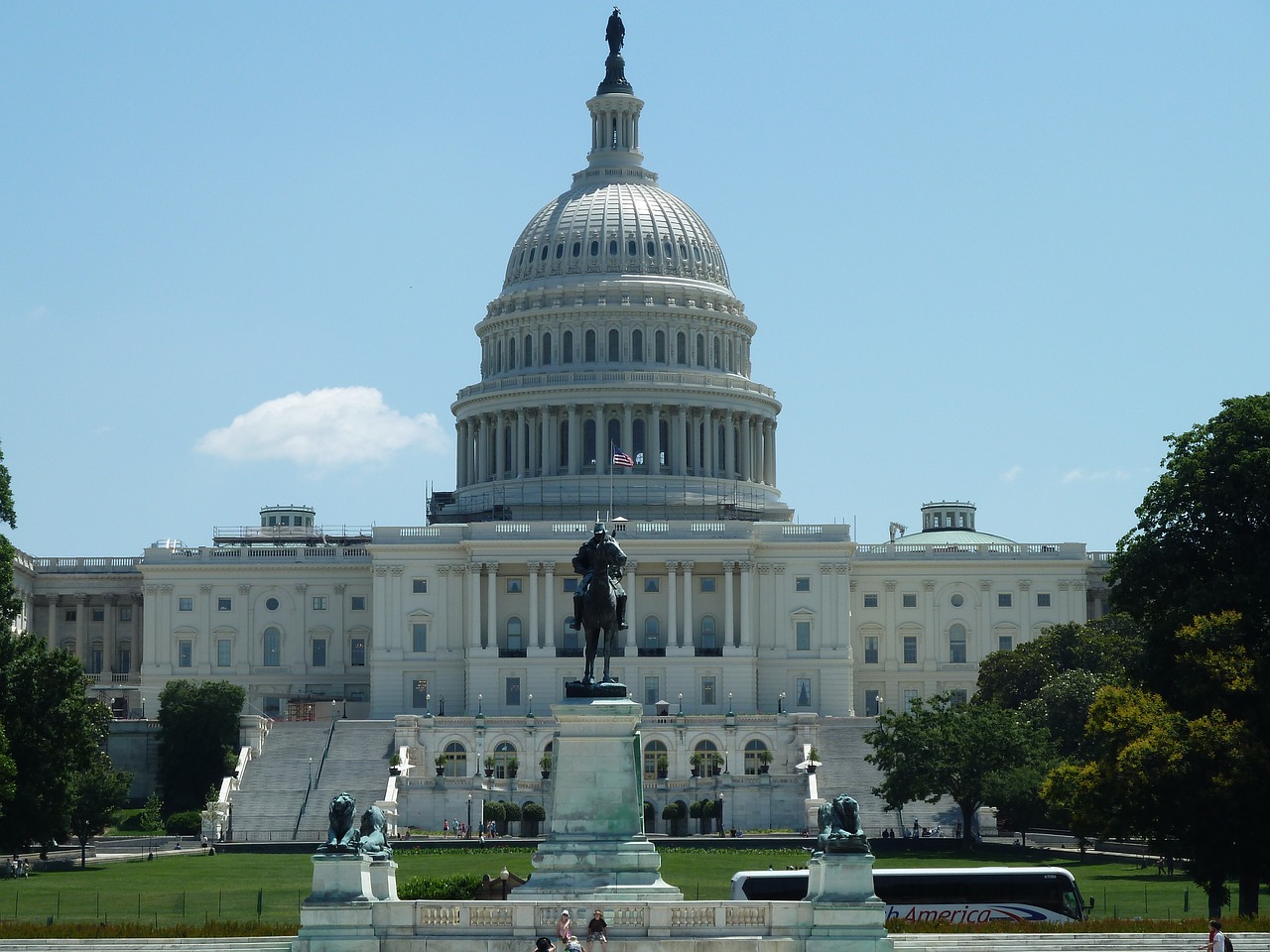
Leaders from both sides of the political aisle in the United States have recently reassured the public that the country will not default on its debt. This announcement comes as negotiations concerning the debt ceiling, which have been stalled for several months, begin to progress. The government is set to run out of money by the June 1 deadline, making it crucial to raise the debt ceiling.
Recently, House Speaker Kevin McCarthy stated, “I think at the end of the day we do not have a debt default.” President Joe Biden stated the following: “We’re going to come together because there is no alternative.”
These latest remarks from both the House Speaker and the President serve as indicators that the long-stalled negotiations are now moving into a more serious and concrete phase. There is hope that a deal might be on the horizon.
The necessity to lift the debt ceiling is paramount. It would allow the government to cover spending commitments already approved by Congress and the President, and avert default. It should be noted that raising the debt ceiling does not authorize new spending. House Republicans, however, have insisted that they will not lift the limit if there isn't an agreement about future spending cuts.
House Minority Leader Hakeem Jeffries and Speaker McCarthy, though firmly entrenched in their respective positions, agreed that negotiations are indeed moving forward. Jeffries referred to a recent meeting as "positive" and "candid," expressing optimism about the ongoing negotiations.
However, differences still persist. While Jeffries dismissed the Republican proposal to introduce work prerequisites to federal food assistance as a "non-starter," McCarthy counters, suggesting that implementing work requirements is the "accountable" approach. Meanwhile, Democrats are advocating for the inclusion of revenue-generating measures in the discussions, a proposal that McCarthy firmly rejects.
Defaulting on sovereign debt could have dire consequences, wreaking havoc on the economy and unsettling global markets. A default on Treasury bonds would destroy the US economy. In 2011, just the threat of a default resulted in the U.S.'s first credit rating downgrade ever.
With this in mind, the Treasury Department has taken extraordinary measures to keep paying the government’s bills, aiming to avoid a first-ever default until at least early June. Failure to raise the debt ceiling, according to Treasury Secretary Janet Yellen, would lead to an “economic catastrophe.”
According to Moody’s Analytics, a U.S. default would cause a 4% drop in gross domestic product, and over 7 million workers would lose their jobs. A brief default could create a loss of over 2 million jobs. Given these dire predictions, the progress in the debt ceiling talks serves as a beacon of hope for avoiding economic disaster.
Today in precious metals, gold prices fell 0.30% to $1,982.36 per ounce. Silver rose 0.08% to $23.72 per ounce. Platinum increased by 1.61% to $1,074.00 per ounce, while Palladium dipped by 3.42% to $1,486.50 per ounce. Bitcoin sunk 0.68% to $26,848.90.
What could be the potential economic and societal impacts if an agreement on the debt ceiling and spending cuts is not reached by the June 1 deadline?
Record-breaking Consumer Debt Surpasses $17 Trillion Despite Falling Mortgage Demand
May 16, 2023

American consumer debt has surpassed $17 trillion for the first time in history, a new milestone despite a significant drop in mortgage demand, according to a report by the New York Federal Reserve. The report revealed a near $150 billion increase (0.9%) in total borrowing across all categories during Q1 2023, raising total debt by approximately $2.9 trillion since the end of 2019, the pre-Covid era.
Interestingly, this surge in consumer debt has occurred amidst a substantial decrease in new mortgage originations. The total of new home loans, inclusive of refinancing, was only $323.5 billion, the lowest since Q2 2014. This figure represents a 35% drop from Q4 2022 and a drastic 62% plunge from the same period last year.
During Q2 2021, new home loans peaked at $1.22 trillion but have been on a downward trajectory since as a result of rising interest rates. Historically low 30-year mortgage rates, fueled by a series of Fed rate cuts, hit a record 2.65% in January 2021. However, the situation has drastically reversed, with current rates at about 6.4% due to the Fed's aggressive strategy to combat inflation with ten rate increases amounting to 5 percentage points.
Despite the rising rates, Andrew Haughwout, Director of Household and Public Policy Research at the New York Fed, noted the long-lasting impact of the previously low rates. "The mortgage refinancing boom is over, but its impact will be seen for decades to come," he said.
Approximately 14 million mortgages were refinanced during the pandemic, with about 64% being "rate refinances" designed to exploit the lower borrowing costs. On average, these homeowners managed to reduce their monthly payments by about $220, freeing up billions of dollars for consumer spending or reducing other debt categories.
However, there's a downside to the increased consumer indebtedness. Delinquency rates have been on the rise, with credit card delinquency rates jumping 0.6 percentage points to 6.5%, and auto loan delinquency rates increasing by 0.2 percentage points to 6.9%. The overall delinquency rate rose by 0.2 percentage points to 3%, the highest since Q3 2020.
Meanwhile, student loan debt slightly increased to $1.6 trillion and auto loans edged up to $1.56 trillion. Despite the slide in mortgage demand, the increase in other forms of debt has pushed the total consumer debt to record-breaking levels.
Today in precious metals, gold prices fell 0.90% to $1,997.50 per ounce. Silver dropped 1.53% to $23.68 per ounce. Platinum decreased by 0.52% to $1,059.50 per ounce, while Palladium dipped by 1.41% to $1,502.50 per ounce. Bitcoin sunk 0.47% to $27,046.08.
What might be the potential long-term economic implications if the current trend of mounting consumer debt continues unabated in the United States?
Platinum Deficit Predicted to Widen as Demand Surges in 2023
May 15, 2023

The global platinum market could face a deficit of nearly a million ounces this year due to a surge in demand, particularly from the industrial sector, the World Platinum Investment Council (WPIC) has warned.
Global demand for the precious metal is projected to rise by 28% this year compared to 2022, while supply is expected to dip by 1% year-on-year. These dynamics could result in a platinum deficit of around 983,000 ounces, according to WPIC's latest report. This figure represents a 77% upward revision from the council's forecast in March, indicating a worsening shortage.
The industrial sector, specifically the chemical and glass production industries in China, is anticipated to contribute to record-breaking platinum demand this year. Platinum is also finding increasing use in the auto sector as a substitute for expensive palladium in the production of catalytic converters.
Platinum was trading at approximately $1,070 per troy ounce on Monday morning, having achieved a multi-year high of around $1,130 in April.
The first quarter of 2023 witnessed a significant increase in platinum investment, with bar and coin investment surging by 71% compared to the same period last year. The total investment in platinum, equating to 102,000 ounces, marks the highest level since the third quarter of 2021. This surge in demand was underpinned by renewed strength in the Japanese market, according to WPIC.
Despite the challenging macroeconomic landscape characterized by economic uncertainty, inflationary pressures, and an energy crisis, the prospects for a drop in platinum's value are minimal.
"Importantly, the core drivers of platinum’s expected 28% demand growth in 2023 are areas where the downside risks are well protected," said WPIC's CEO Trevor Raymond.
He added that the ongoing substitution of platinum for palladium in automotive applications and the already committed capacity additions in China's glass and chemical industries are both factors contributing to the surge in demand. These trends, coupled with rising investment demand, provide a robust safety net for platinum's value.
In conclusion, while the platinum market grapples with supply constraints and increasing demand, the precious metal's investment appeal continues to grow. Investors and industries alike are increasingly recognizing platinum's strategic importance in the face of a rapidly changing global economic landscape. The current market dynamics, coupled with the metal's diverse applications and growing investment demand, suggest that platinum will continue to shine brightly in the commodities market.
Today in precious metals, gold prices rose 0.23% to $2,015.74 per ounce. Silver grew 0.30% to $24.03 per ounce. Palladium jumped by 1.56% to $1,537.09 per ounce. Bitcoin spiked 1.87% to $27,437.08.
What might be the broader economic implications if the surge in platinum demand leads to a significant increase in its price?
PacWest Faces a Steep Decline in Deposits: Shares Tumble by 20%
May 11, 2023
Shares of PacWest, a regional bank, have taken a significant hit, with a 20% drop on Thursday following the bank's disclosure of a 9.5% fall in deposits in the first week of May.
This steep decline marks a continuation of the stock's downward trend, with PacWest's shares already having fallen 40% this month and over 70% within the year.
The bank stated in a securities filing on Thursday that a majority of the deposit outflows came in the wake of media reports hinting at the lender considering strategic alternatives. However, PacWest assured that the withdrawals were funded with available liquidity, with the bank currently having $15 billion of available liquidity against $5.2 billion in uninsured deposits.
This situation deviates from the bank's earlier statement on May 4, where it claimed not to be witnessing any "out-of-the-ordinary deposit flows". At that time, the bank stated that its total deposits had seen an increase since the end of March.
However, the first quarter saw PacWest's total deposits fall by 16.9%, prompting the bank to resort to strategic asset sales to recalibrate its balance sheet.
Wall Street analysts speculate that the recent outflows could be primarily from PacWest's venture capital customers. Jon Arfstrom, an analyst at RBC Capital Markets, pointed out that if the outflows are indeed from venture depositors and not the core bank, it could be somewhat positive news despite the overall increased outflow disclosure.
Simultaneously, other regional banks are also facing the heat. Western Alliance reported a $600 million increase in total deposits since May 2, with its shares showing a slight uptick on Thursday. Meanwhile, Zions Bancorp's shares dropped 3.5%, and the SPDR S&P Regional Banking ETF (KRE) was down by 1.4%.
The regional banking sector has been under duress since early March, mainly due to rising concerns about the impact of higher interest rates leading to a deposit run at Silicon Valley Bank, which ultimately fell into regulators' hands. Signature Bank and First Republic followed suit, with the latter being seized and sold off to JPMorgan at the onset of May.
JPMorgan's CEO, Jamie Dimon, noted that he believes regional banks are "quite strong" but also anticipates further crises. As the regional banking sector grapples with these ongoing challenges, the road ahead for PacWest and its peers remains uncertain.
Today in precious metals, gold prices fell 0.69% to $2,015.36 per ounce. Silver dropped 4.76% to $24.17 per ounce. Platinum decreased by 1.54% to $1,089.00 per ounce, while Palladium dipped by 3.42% to $1,551.00 per ounce. Bitcoin sunk 1.56% to $27,186.08.
What could be the broader financial implications and potential market reactions following the collapse of PacWest, considering its significant deposit outflows and recent share tumble?