View Charts
GOLD, SILVER, AND BITCOIN PRICES, DAILY MARKET NEWS. JAN 2023.
 0
0Nigeria's Bitcoin Market Surges as Central Bank Drives Cashless Transition
Jan. 31, 2023
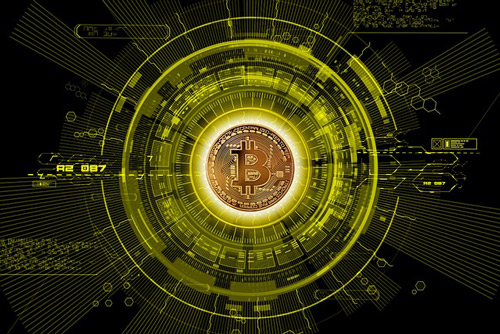
The price of Bitcoin in Nigeria has skyrocketed above global market prices, driven by the Central Bank of Nigeria's efforts to transition to a cashless society.
Currently, 1 Bitcoin is worth 17.8 million Naira ($38,792) on the NairaEX exchange, a 60% premium over the global market price ($23,700).
The central bank has imposed limits on cash withdrawals from ATMs and issued new banknotes to combat inflation and money laundering. The bank has given citizens until Feb.10 to exchange their old notes for the new currency.
This is not the first time that the Bitcoin premium has risen in Nigeria. In 2021, the central bank banned regulated financial institutions from serving cryptocurrency exchanges, causing the Bitcoin premium to surge by 36%.
The increased interest in Bitcoin has made Nigeria the leading country for Bitcoin web searches, according to Google Trends.
The Central Bank of Nigeria recently launched the "AfriGo" card scheme to rival foreign cards like Mastercard and Visa, providing better access to bank card services and reducing costs.
Today, gold rose 0.23% to $1,938.10 per ounce. Silver spiked 0.45% to $23.96 per ounce. Platinum increased by 0.59% to $1,035.8 per ounce, while Palladium grew by 0.51% to $1,687.00 per ounce. Bitcoin jumped 0.46% to $23,109.60.
Do you think the transition to a cashless society will take place in the US in the near future? Why or why not?
Analyzing the Anticipated Impact on Borrowers and Savers Following Federal Reserve's Rate Hike
Jan. 30, 2023
The Federal Reserve is expected to announce its eighth consecutive rate hike at its policy meeting this week. Fed officials are expected to approve a 0.25% point increase, which is a modest increase compared to earlier moves in 2022.
Higher interest rates represent higher costs for borrowers on credit cards, student loans, and other forms of debt. On the other hand, savers may benefit from higher yields.
The U.S. central bank is currently in a rate hike cycle that has raised its benchmark rate by 4.25% points in less than a year. Although inflation is still above the Fed's 2% target, it has slightly decreased and the pace of rate hikes will slow down.
The goal of the rate hikes is to tame runaway inflation by increasing the cost of borrowing and slowing down the economy. Higher Fed rates will affect consumer borrowing costs and savings rates to a lesser extent.
Most credit cards have a variable interest rate, so as the federal funds rate increases, the prime rate does too - and credit card rates follow. The average credit card rate is now 19.9%, a record high. Households are increasingly relying on credit to afford basic necessities since incomes have not kept pace with inflation.
Mortgages, adjustable-rate mortgages, and home equity lines of credit are pegged to the prime rate, so as the federal funds rate increases, so do these rates.
Auto loans are fixed, but payments are getting bigger as car prices and interest rates on new loans are rising. The average interest rate on a five-year new car loan is 6.18%, up from 3.96% at the beginning of last year.
Federal student loan rates are fixed, so most borrowers won't be impacted immediately by a rate hike. Private student loan rates tend to have a variable rate tied to the Libor, prime, or Treasury bill rates so that they will be affected by the rate hike.
Today, gold dipped 0.17% to $1,933.40 per ounce. Silver grew 0.17% to $23.88 per ounce. Platinum increased by 0.10% to $1,028.80 per ounce, while Palladium rose by 1.42% to $1,675.00 per ounce. Bitcoin fell 2.23% to $23,217.40.
How are interest rates impacting your personal budget?