View Charts
GOLD, SILVER, AND BITCOIN PRICES, DAILY MARKET NEWS. APRIL 2023.
 0
0Inflation Rises in March Amid Interest Rate Increases: Key Fed Gauge Reveals
Apr. 28, 2023
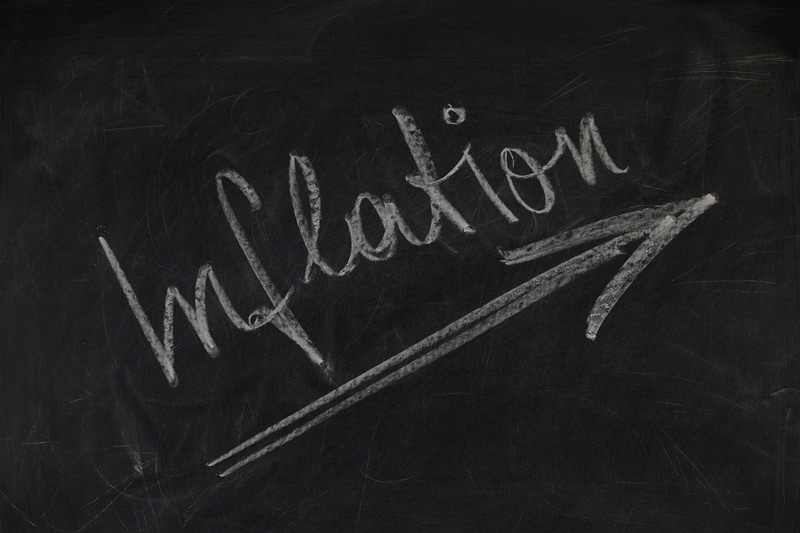
Despite a series of interest rate increases throughout the past year, inflation persisted in March, as revealed by the economic data released on Friday that the Federal Reserve closely monitors.
The personal consumption expenditures (PCE) price index, excluding food and energy, experienced a 0.3% increase for the month, which aligned with Dow Jones' estimate. On an annual basis, the core PCE rose by 4.6%, slightly exceeding the expected 4.5% and down 0.1 percentage point from February.
When including the more volatile food and energy components, the headline PCE also registered a 0.1% increase for the month, equivalent to an annual 4.2% rise, which is a significant drop from February's 5.1%. This measure reached its peak at around 7% in June 2022, the highest level since December 1981.
The headline number was softer, as energy prices fell 3.7% for the month, while food costs declined 0.2%. Goods prices dropped 0.2%, while services experienced a 0.2% increase.
Another crucial inflation measure for the Fed, the employment cost index, rose by 1.2% for the first quarter, surpassing the 1% estimate.
The inflationary pressures were evident in consumers' continued willingness to spend. Personal income increased by 0.3% for the month, but consumer spending remained unchanged, as anticipated.
Although the annual rates are lower than the peaks reached in 2022, they still exceed the central bank's 2% target, providing further evidence that price increases are more persistent than policymakers had initially expected.
Since March 2022, the Fed has raised its benchmark interest rate nine times, totaling 4.75 percentage points. Market analysts widely anticipate that the rate-setting Federal Open Market Committee (FOMC) will approve another quarter percentage point increase at its meeting next week before assessing the impact of the policy tightening on the $26.5 trillion U.S. economy.
Today in precious metals, gold prices rose 0.10% to $1,989.76 per ounce. Silver grew 0.35% to $25.03 per ounce. Platinum decreased by 0.32% to $1,070.01 per ounce, while Palladium leaped by 0.64% to $1,504.00 per ounce. Bitcoin sunk 2.33% to $29,182.08.
What are the possible economic outcomes of the persistent inflation and the Federal Reserve's continuous interest rate increases on the U.S. economy?
Central Banks Turn to Gold: A Revolt Against the US Dollar
Apr. 27, 2023
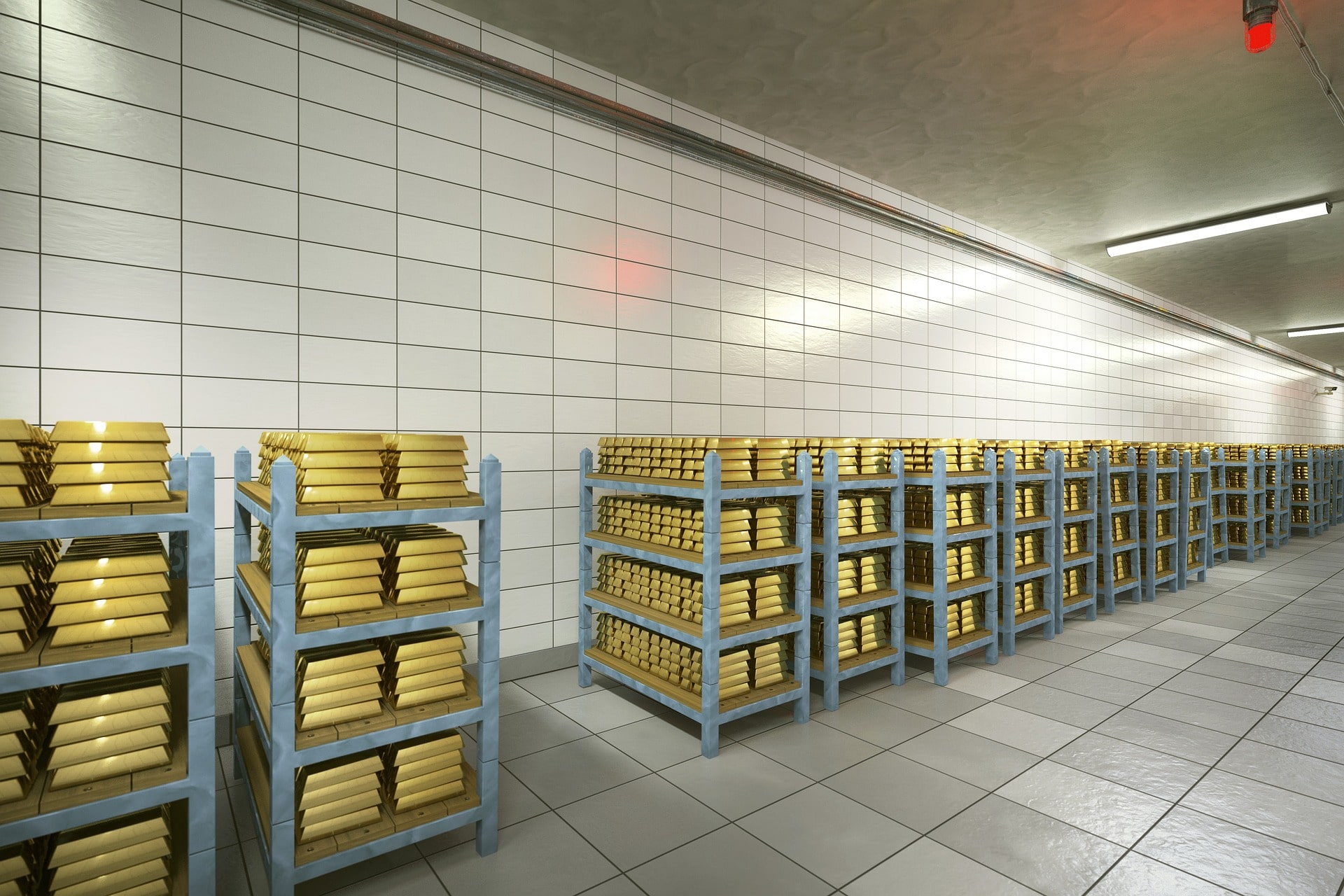
Central banks worldwide are increasingly moving away from the US dollar and focusing on gold as a safe haven asset, according to Ruchir Sharma, Chairman of Rockefeller International.
Gold prices have surged 20% over the past six months, driven by demand from central banks rather than traditional investors. Central banks, seeking a secure alternative to the dollar, now account for a record 33% of monthly global gold demand.
Sharma, writing in the Financial Times, noted that this buying spree has pushed gold prices near record levels, more than 50% higher than what models based on real interest rates would suggest. This trend indicates a new driving force behind gold prices.
The top central bank buyers are primarily from developing countries, including Russia, India, and China, all of which are discussing the creation of a new currency to challenge the dollar with Brazil and South Africa.
The increased interest in gold is attributed to the growing pressure from sanctions imposed by the US and its allies. The percentage of nations facing international penalties has risen from 10% in the early 1990s to around 30% today. Sharma argues that gold has become a vehicle for central banks to revolt against the dollar.
Countries began seeking alternatives after witnessing the freezing of Russian assets abroad and the country's exclusion from the SWIFT global financial messaging system.
Sharma states that while the US viewed sanctions as a cost-free way to combat Russia, the weaponization of the dollar has had consequences for Washington. Even allies such as Thailand and the Philippines have started exploring alternatives, as any nation could potentially become a target.
Today in precious metals, gold prices fell 0.33% to $1,983.34 per ounce. Silver grew 0.11% to $24.85 per ounce. Platinum decreased by 1.52% to $1,072.50 per ounce, while Palladium dipped by 0.20% to $1,505.50 per ounce. Bitcoin jumped 2.33% to $29,071.18.
What could be the potential long-term impact on gold prices as central banks continue to shift away from the US dollar and increase their gold reserves?
First Republic Bank's Stock Tumbles as Troubled Lender Seeks Government Rescue
Apr. 26, 2023
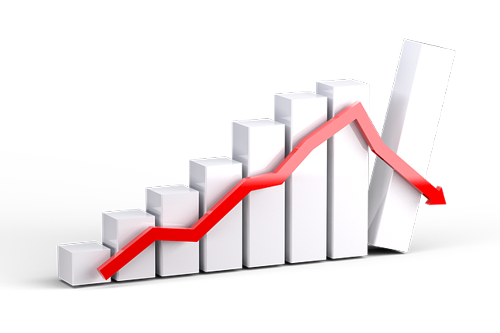
First Republic Bank's shares have been on a downward spiral, with the stock hitting an all-time low due to increased concerns about the bank's stability. The San Francisco-based lender has a similar financial profile to the recently collapsed Silicon Valley Bank, which has raised red flags among customers and investors alike.
In Q1, First Republic Bank reported a staggering 40% loss of deposits, which has severely impacted its overall financial position. In response, a group of 11 larger banks came together to infuse $30 billion into First Republic in an attempt to instill confidence and prevent further bank runs. However, the bank's shares continue to plummet, with losses reaching 90% this year.
Advisors to First Republic are currently exploring options to sell some of its assets at above-market rates to a few of the banks that provided the $30 billion infusion. The argument for this move is that allowing First Republic to fail would lead to higher regulatory costs and fees, making it more expensive for the other banks in the long run.
If First Republic manages to sell off some of its assets at favorable rates, the next step would be to raise equity capital to strengthen its financial position. This move would, however, dilute the value of shares held by current shareholders, further impacting the bank's stock price.
As of now, government officials seem to be taking a hands-off approach to First Republic's rescue process, leaving it to the bank and its advisors to find a solution to its current crisis. The situation highlights the precarious state of some financial institutions and underscores the importance of maintaining robust regulatory oversight in the banking sector.
Today in precious metals, gold prices fell 0.33% to $1,993.94 per ounce. Silver dipped 0.58% to $24.86 per ounce. Platinum increased by 0.69% to $1,090.50 per ounce, while Palladium jumped by 2.09% to $1,514.00 per ounce. Bitcoin dipped 0.30% to $29,817.08.
What are the possible outcomes for First Republic Bank as it seeks a rescue deal and grapples with significant deposit losses and potential asset sales?
South African Power Crisis Drives Investors Towards Platinum ETFs Amid Supply Concerns
Apr. 25, 2023

The ongoing power crisis in South Africa has sparked fears of a global platinum supply crunch, prompting investors to flock to platinum exchange-traded funds (ETFs) in anticipation of tighter supply this year.
Last year, power outages in Africa's most developed economy hindered platinum production, and the situation has only worsened. Impala Platinum Holdings Ltd., a major platinum producer, predicts a decline in the production of the rare earth metal, which is utilized in catalytic converters, electrical contacts, jewelry, pacemakers, drugs, and magnets.
Holdings in ETFs backed by platinum surged by over 117,000 ounces last week, marking the largest weekly increase since March 2019, according to Bloomberg data. This coincides with a 23.5% rise in spot platinum prices since bottoming out at around $913 per ounce in late February.
Bloomberg reports that the majority of inflows were directed towards the 1nvest Platinum ETF, a South African investment vehicle. An individual familiar with the matter revealed that local fund managers are making bullish bets on the metal.
South Africa's state electricity utility, Eskom Holdings, has recently cautioned major mining companies about the possibility of having to reduce mining output due to the power crisis. Johan Theron, a spokesperson for Impala, told Bloomberg earlier this year, "If things don't get better soon then we are likely to have a worse period this year than last."
It is crucial to note that South Africa is responsible for mining approximately 70% of the world's platinum supply. As a result, the ongoing power crisis in the country poses a significant threat to global platinum production, further fueling the rush toward platinum ETFs as investors seek opportunities amid the uncertainty.
Today in precious metals, gold prices rose 0.05% to $1,989.98 per ounce. Silver fell 1.71% to $24.71 per ounce. Platinum increased by 0.09% to $1,083.70 per ounce, while Palladium sunk by 3.42% to $1,482.00 per ounce. Bitcoin dipped 0.30% to $27,336.08.
Arkansas Passes Legal Tender Act and Abolishes Taxes on Gold and Silver
Apr. 24, 2023
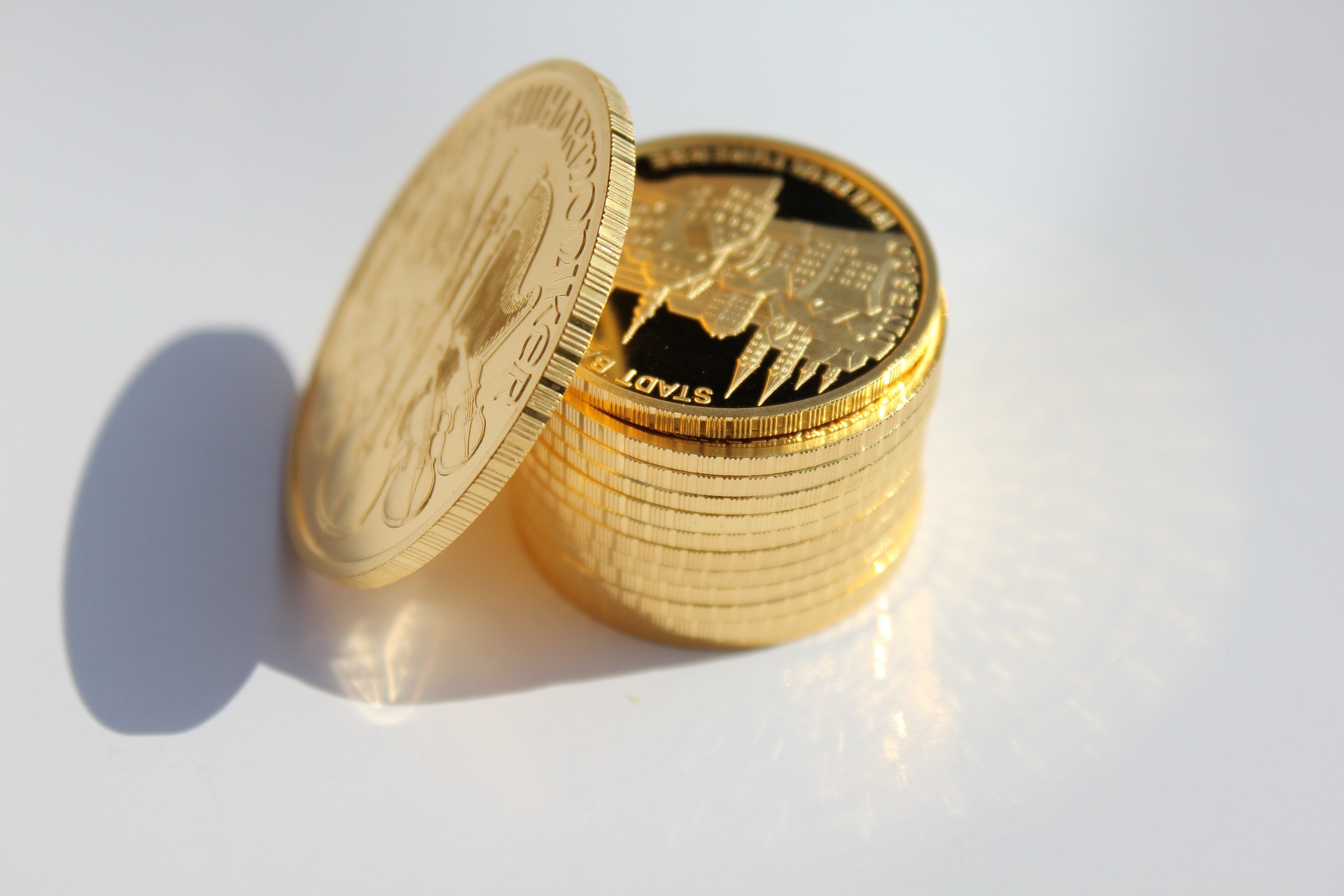
Sound money advocates are celebrating the passage of House Bill 1718, the Arkansas Legal Tender Act, which has now become law in the Natural State. The bill reaffirms gold and silver as legal tender while eliminating all taxes on the acquisition, sale, or trading of specie, encompassing state capital gains taxes.
State Rep. Robin Lundstrum and State Sen. Jonathan Dismang introduced the Arkansas Legal Tender Act. It successfully passed through the House with an 82-8 vote, through the Senate unanimously with a 32-0 vote, and finally received Governor Sarah Huckabee Sanders's signature on April 11.
Specie is defined as coinage with gold or silver content or refined gold or silver bullion that is coined, stamped, or imprinted with its weight and purity. It is valued primarily based on its metal content, not its form. The measure, "Specie or legal tender shall not be characterized as personal property for taxation or regulatory purposes."
For the purpose of elucidating the legislative intent, HB 1718 unambiguously declares that the conversion of one variety or form of legal tender to another shall not result in any tax obligation.
Additionally, the purchase, sale, or exchange of any type or form of specie shall not result in any tax liability.
The passage of HB 1718 builds on the momentum of sound money legislation from previous Arkansas legislative sessions. In 2021, Arkansas passed SB 336, which eliminated state sales taxes on gold and silver purchases.
Now, as the 11th state to end capital gains taxes on gold and silver sales, Arkansas joins several other states that have either abolished income/capital gains taxes on precious metals sales or never had such taxes in the first place.
The movement to end income/capital gains taxes on precious metals sales is gaining traction. This is understandable, given that individuals who own gold or silver as protection against the devaluation of America's paper currency often experience a nominal "gain" when exchanging those metals back into dollars.
However, this "gain" may not result in a genuine increase in purchasing power, as it is often due to the slow but consistent devaluation of the Federal Reserve note dollar. Despite this, the government still imposes a tax.
With the passage of HB 1718, the taxation of gold and silver in Arkansas has been abolished.
Today in precious metals, gold prices fell 0.01% to $1,982.26 per ounce. Silver jumped 0.04% to $25.10 per ounce. Platinum decreased by 3.24% to $1,085.60 per ounce, while Palladium sunk by 5.23% to $1,518.83 per ounce. Bitcoin dipped 1.11% to $27,297.08.
Bipartisan Bill Aims to Save Taxpayers Money by Altering Coin Metal Content
Apr. 21, 2023
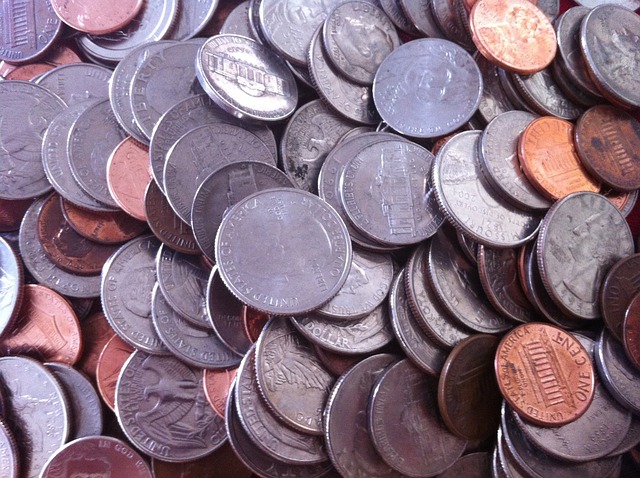
A new bipartisan bill, set to be reintroduced, seeks to authorize the U.S. Mint to modify the metal content of coins to reduce production costs and save taxpayers money. This move comes in response to a recent report from the U.S. Mint that revealed the soaring cost of raw metals in 2022 pushed the price of minting a single nickel to over 10 cents, more than double the coin's value.
The bill, named the Coin Metal Modification Authorization and Cost Savings Act, is sponsored by Republican Sen. Joni Ernst of Iowa and Democratic Sen. Maggie Hassan of New Hampshire. It aims to address the escalating expense of producing quarters, dimes, nickels, and pennies.
Ernst commented on the current situation, stating, "It’s absolute non-cents that American taxpayers spend ten cents to make just one nickel. Only Washington could lose money making money."
Originally introduced in both the House and Senate in 2020, the bill passed the House with overwhelming bipartisan support. However, it was set aside in the Senate in favor of more urgent pandemic-related legislation.
Republican Rep. Mark Amodei of Nevada, the chief sponsor of the 2020 House bill, plans to introduce a new version in the House in the coming days.
With the end of Washington's pandemic-era spending, the new Republican House majority is focusing on reducing federal red tape and cutting government spending, which could potentially benefit the Mint bill.
Sen. Hassan emphasized the bill's potential savings, stating, "This bill will save millions of dollars per year by modifying the composition of nickels, dimes, and quarters with less expensive metals. I urge my colleagues on both sides of the aisle to support our bipartisan bill."
As party leaders in the House and Senate work towards creating legislation that can pass with bipartisan support, proposals like the one from Ernst and Hassan may gain more traction than usual. The bill aims to modify the composition of certain coins to reduce costs, while ensuring a seamless transition into circulation. In the words of Sen. Ernst, "A penny saved is a penny not borrowed."
Today in precious metals, gold prices dropped 1.30% to $1,978.28 per ounce. Silver fell 1.16% to $24.95 per ounce. Platinum increased by 2.95% to $1,122.70 per ounce, while Palladium rose by 1.07% to $1,602.50 per ounce. Bitcoin dipped 0.74% to $28,013.08.
What will be the outcome of the Coin Metal Modification Authorization and Cost Savings Act in Congress, and how likely is it to gain bipartisan support to pass and become law?
US Dollar's Reserve Status Plummets Rapidly as Nations Seek Alternatives Amid Sanctions
Apr. 20, 2023
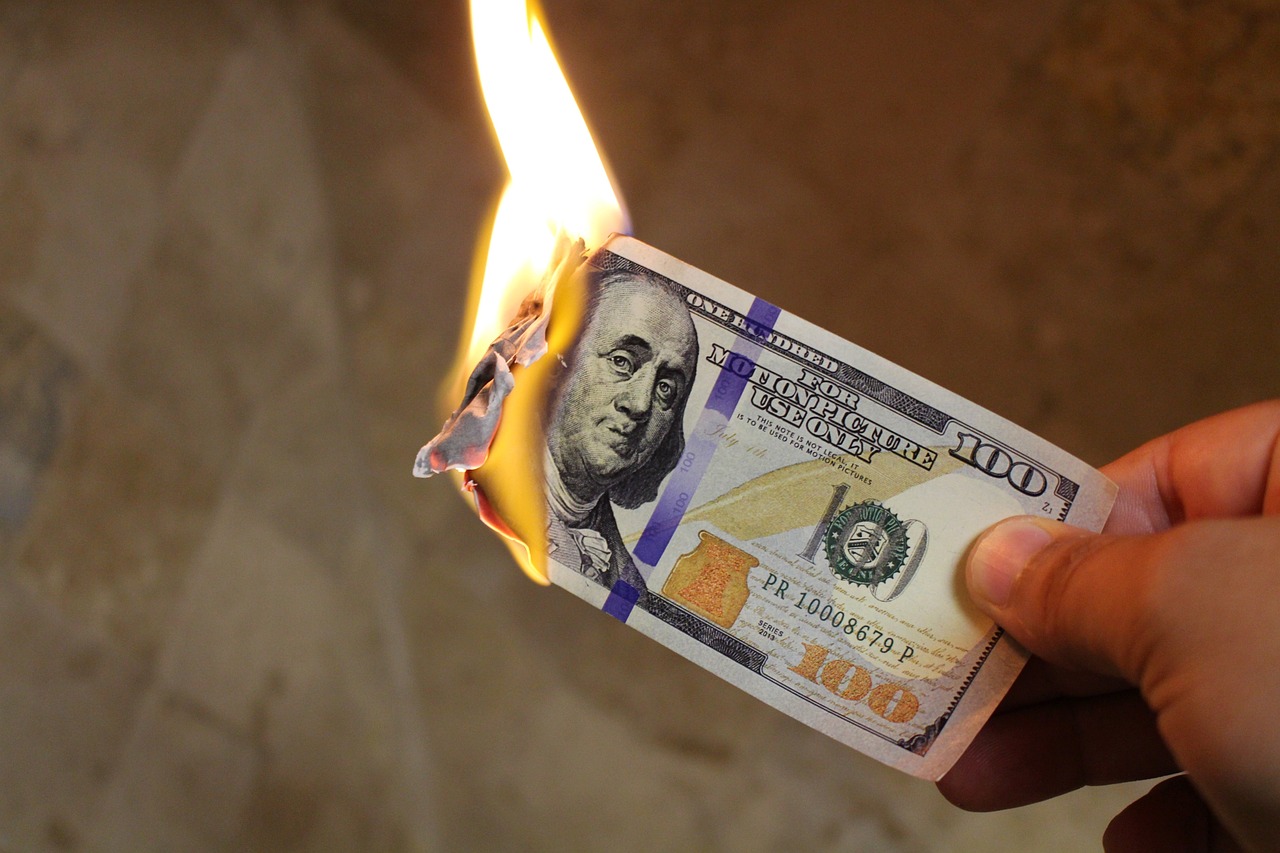
The US dollar's reserve status is declining at an alarming rate, with its share in global reserves falling ten times faster in the past year compared to the previous 20 years, according to Stephen Jen, CEO of London-based asset management firm Eurizon.
Western sanctions against Russia have propelled the world to seek alternatives, as countries witness the freezing of Russian assets abroad and the nation's exclusion from the global financial messaging system, SWIFT.
Jen and his colleague Joana Freire at Eurizon observed that, after adjusting for significant exchange rate fluctuations in 2021, the dollar had lost approximately 11% of its market share since 2016 and doubled that since 2008.
Their note highlights the dramatic collapse of the dollar's market share as a reserve currency in 2022, primarily due to the aggressive use of sanctions by the US.
Such extraordinary actions have alarmed large reserve-holding countries, predominantly emerging economies. Consequently, the greenback now accounts for around 58% of total global reserves, a drop from 73% in 2001 when it held an undisputed hegemonic reserve status.
China and India have begun using their own currencies to settle international trade, while Russia has started accepting payments for its exports in rubles and Chinese yuan from several countries. Echoing this trend, Brazilian President Luiz Inacio Lula da Silva recently urged developing nations to shift away from the US dollar in favor of their own currencies.
US Treasury Secretary Janet Yellen conceded that the dollar's role as the world reserve currency might wane as Washington leverages the global financial system to advance its geopolitical objectives through sanctions.
Today in precious metals, gold prices rose 0.44% to $2,003.46 per ounce. Silver jumped 0.14% to $25.28 per ounce. Platinum increased by 0.09% to $1,090.63 per ounce, while Palladium sunk by 0.34% to $1,609.50 per ounce. Bitcoin dipped 0.30% to $28,744.08.
What potential consequences might the rapid decline in the US dollar's reserve status have on global financial stability and the future of international trade?
J.B. Hunt Reports Disappointing Q1 Profits Amid Fears of a Freight Recession
Apr. 19, 2023

J.B. Hunt Transport Services Inc., the fourth-largest trucking company in the United States, announced disappointing first-quarter profits and revenue on Monday. The company cited declining volumes and revenue per truckload as concerns over a possible "freight recession" continue to grow.
During a post-earnings conference call, J.B. Hunt President Shelley Simpson acknowledged the challenges faced by the industry.
Several factors have contributed to the softening of cargo demand. Consumers are increasingly spending more money on services rather than goods, while inflation and soaring credit card rates have taken a toll on consumer demand. The industry is left to wonder: Is a second trucking bloodbath on the horizon?
According to Bloomberg, recent data from the American Trucking Association (ATA) reveals that the truck tonnage index dropped 5.4% in March compared to February, marking the largest decline since August 2012. ATA Chief Economist Bob Costello pointed to falling home construction, decreasing factory output, and soft retail sales as factors contributing to the decline in contract freight tonnage.
Freight market volatility has also been exacerbated by federal government and central bankers flooding the economy with liquidity, followed by the fastest monetary tightening cycle in history, as noted by supply chain data firm FreightWaves.
FreightWaves' data highlights the plunging spot rates for truck hauls over the past 12 months, sliding tender volumes, and a trucking overcapacity issue.
Despite the overall negative outlook, Ravi Shanker, a transportation equity analyst at Morgan Stanley, remains optimistic. He recently informed clients that "our latest quarterly Shipper Survey keeps showing signs of improvement under the surface" amidst the negative headlines and mixed macroeconomic data points.
However, this potential improvement hinges on whether consumers can endure further tightening of monetary conditions, as the Federal Reserve is expected to increase interest rates by 25 basis points next month to around 500 basis points.
Today in precious metals, gold prices fell 0.59% to $1,993.34 per ounce. Silver jumped 0.24% to $25.25 per ounce. Platinum increased by 3.44% to $1,089.63 per ounce, while Palladium sunk by 4.62% to $1,596.81 per ounce. Bitcoin dipped 3.43% to $29,344.08.
What potential outcomes could the trucking industry face in light of the current freight recession and the anticipated tightening of monetary conditions?
US Credit Crunch Emerges Amid Bank Failures - Morgan Stanley's Warning
Apr. 18, 2023

Morgan Stanley's chief stock strategist, Mike Wilson, has raised concerns about a potential credit crunch in the United States following the collapse of Silicon Valley Bank (SVB) and the subsequent banking crisis. Wilson cited data indicating a tightening of lending standards by financial institutions as a sign of the emerging credit crunch.
Just over a month ago, massive deposit runs led to the failure of two lenders, Silicon Valley Bank and Signature Bank, within days of each other. This prompted fears that First Republic, a third lender, would also fail. However, it received a $30-billion rescue from leading Wall Street banks in the form of deposits.
In a recent note, Wilson revealed that lending levels have experienced the sharpest decline on record in the past two weeks. He attributed this drop to US banks attempting to counterbalance the rapid pace of deposit flight since the collapse of SVB.
Wilson stated, “The data suggest a credit crunch has started.” He also highlighted that since the Federal Reserve began its series of rate hikes nearly a year ago, $1 trillion in deposits has been withdrawn from US lenders.
Despite major stock indexes remaining steady since SVB's failure, Wilson cautions that this is not an indication of recovery. Instead, he believes that stocks are at risk of a sudden drop, similar to what has occurred with small caps and bank stocks since March.
In response to investors who were encouraged by the softer-than-expected inflation data last week, Wilson warned, “Be careful what you wish for.” He referred to the March Consumer Price Index report, which revealed that the inflation rate has been increasing at a slower pace than projected.
Wilson explained that when revenues begin to disappoint, margin degradation can be much more sudden, which can lead to the market suddenly getting ahead of the earnings decline he is forecasting. In February, he predicted that US stocks that had previously reached unsustainable highs could crash 26% within months.
Today in precious metals, gold prices grew 0.67% to $2,007.74 per ounce. Silver jumped 0.78% to $25.18 per ounce. Platinum increased by 3.44% to $1,083.88 per ounce, while Palladium rose by 4.62% to $1,626.31 per ounce. Bitcoin spiked 2.84% to $30,254.06.
What potential consequences could the emerging credit crunch have on credit seekers, and how might it affect their ability to secure loans or financing during this period of tightened lending standards?
US Dollar's Hegemony May Weaken Due to Sanctions, Admits Treasury Secretary Janet Yellen
Apr. 17, 2023
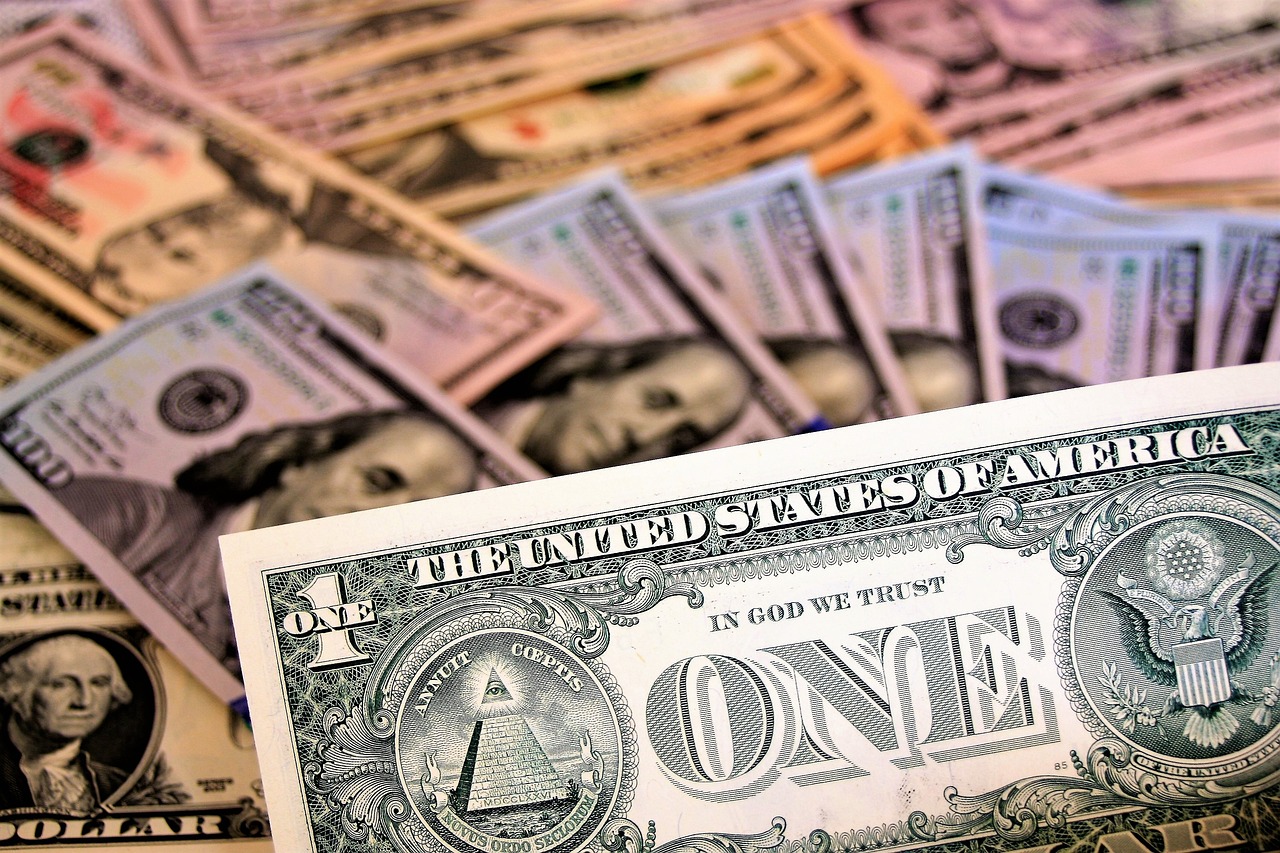
The US Treasury Secretary, Janet Yellen, has acknowledged that the US dollar's role as the world reserve currency may be diminished as a result of the US using its leverage on the global financial system to pursue its geopolitical objectives through sanctions.
In an interview with CNN's Fareed Zakaria, Yellen admitted that the weaponization of the dollar through financial sanctions could potentially undermine its hegemony in the long run.
However, she argued that no other currency is ready to replace the dollar due to factors such as the volume of the US treasuries market, its widespread use in international trade, and the rule of law in the US, which other nations cannot offer.
Yellen's comments come amid growing concerns about the dependence on the US currency and its use as a tool in geopolitical conflicts. Critics of US domination in global finances, including Russia's leadership, have been advocating a transition away from the dollar and towards regional currencies.
This shift would be a natural element of a multipolar world, according to supporters of this model.
The recent unprecedented sanctions imposed on Russia by the West, including trade bans, seizure of national reserves, and denial of financial services to Russian companies, have accelerated this transition.
Russian Foreign Minister Sergey Lavrov commented in February that the discussion about switching to national currencies has been spurred by the US's unpredictable actions.
In her interview, Yellen also addressed the issue of frozen Russian assets, stating that "Russia should pay for the damage that it has done to Ukraine."
Today in precious metals, gold prices fell 0.77% to $1,990.30 per ounce. Silver dropped 1.68% to $24.92 per ounce. Platinum increased by 0.29% to $1,050.39 per ounce, while Palladium rose by 3.96% to $1,559.82 per ounce. Bitcoin dipped 2.84% to $29,478.16.
What potential consequences could the US dollar face as the world reserve currency, given its increasing use as a geopolitical tool through financial sanctions?
Russia's Foreign Currency Reserves Surpass $600 Billion Despite Western Sanctions
Apr. 14, 2023

Russia's foreign currency reserves have continued to grow, reaching $600.8 billion as of April 7, according to a recent central bank report. The stockpile increased by $6.9 billion, or 1.2%, from March 31, primarily due to a positive market revaluation.
This growth comes despite Western sanctions imposed on the country over the Ukraine conflict, which resulted in the freezing of approximately half of Russia's holdings by Western central banks.
In response to the conflict, Western countries not only froze Russia's funds but also banned operations related to their management. The current reserves figure is lower than the historic high of $643.2 billion recorded on February 18 last year.
Nonetheless, the Russian Finance Ministry has stated that the country's abundant reserves will enable it to withstand the impact of the sanctions.
Russia's foreign exchange reserves are comprised of monetary gold, Special Drawing Rights (SDR) within the International Monetary Fund (IMF), foreign currency, and physical gold held within the country.
In light of the ongoing situation, European Commission President Ursula von der Leyen proposed the creation of an investment fund using frozen Russian state and private assets. The profits from this fund would be allocated towards the post-conflict restoration of Ukraine.
Moscow has condemned the freezing of its assets as "theft" and a violation of international law. The Kremlin has also argued that the use of the US dollar as a weapon in the sanctions war against Russia has discredited the very concept of international reserves.
Today in precious metals, gold prices fell 1.66% to $2,006.80 per ounce. Silver dropped 1.76% to $25.35 per ounce. Platinum decreased by 0.67% to $1,046.42 per ounce, while Palladium sank by 0.83% to $1,494.00 per ounce. Bitcoin dipped 0.05% to $30,363.16.
What are Russia's plans for utilizing its growing foreign currency reserves, particularly in light of the ongoing Western sanctions and asset freezes?
Brazil's President Joins the Call for Reducing US Dollar Dominance in International Trade
Apr. 13, 2023

In recent times, there has been a growing chorus of voices calling for an end to the reliance on the US dollar in international trade. Among them is Brazil's President, Luiz Inacio Lula Da Silva, who has urged developing countries to work on replacing the American currency with their own.
This comes as the BRICS countries, which include Brazil, China, Russia, India, and South Africa, are working on creating their own currency to challenge the greenback's prominence.
During his first visit to China since taking office in January, Lula Da Silva expressed his concerns about the dominance of the US dollar in international trade. Speaking at Shanghai's New Development Bank, he questioned why all countries must base their trade on the dollar and encouraged the BRICS collective to develop an alternative trade currency.
"Every night I ask myself why all countries have to base their trade on the dollar," Lula said. "Why can't we do trade based on our own currencies?" He added, "Who was it that decided that the dollar was the currency after the disappearance of the gold standard?"
Lula Da Silva's sentiments align with recent Chinese efforts to reduce international dependence on the US dollar. Beijing has been actively promoting the use of the renminbi for specific cross-border commodities trades.
As the world continues to grapple with economic uncertainties, the push for an alternative to the US dollar in international trade is gaining momentum. This movement, driven by the BRICS countries, could reshape the global economic landscape and challenge the long-standing dominance of the greenback.
Today in precious metals, gold prices jumped 1.24% to $2,039.22 per ounce. Silver rose 1.00% to $25.77 per ounce. Platinum increased by 3.05% to $1,046.50 per ounce, while Palladium grew by 0.86% to $1,487.00 per ounce. Bitcoin spiked 1.96% to $30,378.76.
What could be the potential consequences for the US economy and the global financial landscape if the US dollar's dominance in international trade is successfully challenged by alternative currencies?
Inflation Takes Center Stage Amid Geopolitical Tensions and Market Dynamics
Apr. 12, 2023
Inflation has become the primary focus of global markets, overshadowing other significant events. Egypt's potential plan to send 40,000 rockets to Russia and China's large-scale military drills around Taiwan have created geopolitical shockwaves. However, inflation remains the central topic of discussion, eclipsing China's decision to resume Australian barley imports and the ongoing debate on AI regulation.
Weak Chinese CPI and PPI figures have led to calls for more stimulus, while the sugar market reached a decade high. Central banks around the world are grappling with differing viewpoints on inflation and credit tightening. The upcoming US CPI data release will likely fuel further debate, with opposing camps maintaining their entrenched positions.
For some, inflation is always transitory, while others believe that it is a growing problem driven by post-Covid, post-Ukraine, and US-China decoupling dynamics. This divide is reflected in differing expectations for future inflation rates. An academic paper titled "Inflation is Conflict" argues that inflation is fundamentally rooted in conflict and compromise, regardless of economic models or supply-demand imbalances.
As the world grapples with the complex drivers of inflation, it is essential for market participants to consider the broader context and potential implications of ongoing geopolitical tensions and structural changes in the global economy.
Today in precious metals, gold prices rose 0.19% to $2,017.20 per ounce. Silver jumped 0.64% to $25.45 per ounce. Platinum increased by 2.11% to $1,032.50 per ounce, while Palladium grew by 0.01% to $1,494.50 per ounce. Bitcoin fell 0.94% to $29,944.10.
How are the current geopolitical tensions and structural changes in the global economy, such as the US-China decoupling and post-Covid recovery, contributing to the ongoing debate and uncertainty surrounding inflation dynamics?
IMF Forecasts Weakest Medium-Term Global Growth in Over 30 Years Amid Geopolitical Tensions
Apr. 11, 2023

The International Monetary Fund (IMF) on Tuesday projected its lowest medium-term global growth expectations in more than three decades. The Washington D.C.-based organization predicts that global growth will be around 3% five years from now, marking the weakest medium-term forecast in an IMF World Economic Outlook since 1990.
According to the latest World Economic Outlook, the world economy is not expected to return to the growth rates that were prevalent before the pandemic.
The IMF attributes the weaker growth prospects to the success of economies like China and South Korea in raising living standards, slower global labor force growth, and geopolitical fragmentation, including Brexit and Russia's invasion of Ukraine.
In the short term, the IMF forecasts global growth of 2.8% in 2023 and 3% in 2024, slightly below the estimates published in January. The new estimates are a reduction of 0.1 percentage points for both this year and next.
The lackluster outlook reflects the tight policy stances necessary to combat inflation, the fallout from the recent deterioration in financial conditions, the ongoing war in Ukraine, and increasing geoeconomic fragmentation.
Regionally, the IMF projects the US economy to expand by 1.6% this year, while the eurozone will grow by 0.8%. However, the UK is expected to contract by 0.3%.
China's GDP is anticipated to increase by 5.2% in 2023, and India's by 5.9%. Meanwhile, the Russian economy, which contracted by more than 2% in 2022, is predicted to grow by 0.7% this year.
The IMF warns that the major forces affecting the world in 2022 will likely continue into 2023, exacerbated by new financial stability concerns. The organization's baseline forecast assumes that recent financial sector stresses will be contained. However, the ongoing bank failures and resulting volatility across global markets have worsened the overall economic outlook.
The IMF highlights the potential consequences of hawkish monetary policy across major economies, with higher interest rates impacting businesses and governments with significant debt levels. It warns of the increased risk of a hard landing, particularly for advanced economies, as policymakers face difficult trade-offs to reduce sticky inflation, maintain growth, and preserve financial stability.
The IMF expects global headline inflation to drop from 8.7% in 2022 to 7% in 2023, as energy prices decline. However, core inflation, excluding volatile food and energy costs, will likely take longer to fall. In most cases, the IMF does not anticipate headline inflation returning to target levels before 2025.
Today in precious metals, gold prices rose 0.70% to $2,017.20 per ounce. Silver grew 0.97% to $25.38 per ounce. Platinum increased by 0.60% to $1,017.10 per ounce, while Palladium sank by 2.82% to $1,500.00 per ounce. Bitcoin rose 6.15% to $30,194.57.
What are the potential global repercussions of a shrinking world economy on international trade, employment, and political stability, and how might these challenges affect the long-term prospects for economic growth and development?
Egyptian Inflation Soars as Currency Crisis Takes a Toll on Food and Beverage Prices
Apr. 10, 2023

Egypt is grappling with soaring inflation, as the country's annual urban inflation rate reached 32.7% in March, the highest level since 2017, according to data from the national statistics agency CAPMAS. The increase has been primarily driven by a sharp rise in food prices and the ongoing devaluation of the Egyptian pound.
Food and beverage prices more than doubled, registering a staggering 62.9% increase. These price hikes are attributed to multiple factors, including the depreciation of the national currency due to a series of devaluations over the past year, surging seasonal demand during Ramadan, high fuel prices, a shortage of raw materials, and a lack of foreign currency.
As a major importer of commodities, Egypt has seen its currency devalue three times since March of last year. The weakening currency has led to higher costs for most imported goods, impacting Egyptian households, half of which live near or below the poverty line.
The central bank of Egypt has attempted to curb rising prices by raising interest rates by 200 basis points in March. However, analysts still need to be convinced about the immediate effectiveness of this measure in alleviating the situation.
As the nation's financial system faces mounting pressure, authorities are exploring ways to boost foreign investment. One such initiative involves selling stakes in several domestic companies to attract foreign capital. However, the ongoing inflationary crisis remains a significant challenge for Egypt. The nation struggles to stabilize its economy and protect its citizens from the crippling effects of skyrocketing living costs.
Today in precious metals, gold prices dipped 0.94% to $1,988.20 per ounce. Silver dropped 0.21% to $24.76 per ounce. Platinum decreased by 1.89% to $988.00 per ounce, while Palladium sank by 4.14% to $1,415.37 per ounce. Bitcoin rose 1.96% to $28,460.53.
How might the Egyptian government implement effective measures to control the skyrocketing prices and mitigate the impact of inflation on the country's citizens?
US Small Businesses Face Surge in Bankruptcies Amid Tightening Credit Conditions
Apr. 06, 2023

Small businesses across the United States are witnessing a sharp rise in bankruptcies, surpassing levels not seen since 2020. According to a UBS note reviewed by The Epoch Times, the situation may worsen due to the knock-on effects of the recent banking crises.
UBS Evidence Lab data reveals that private bankruptcy filings in 2023 significantly exceed the highest point recorded during the early stages of the COVID-19 pandemic. By late February, the four-week moving average for private filings was 73% higher than in June 2020.
Matthew Mish, head of credit strategy at UBS, notes that small and mid-size enterprises are experiencing the most severe pressure from rising rates, persistent inflation, and slowing growth. The hardest-hit industries include real estate, health care, chemicals, and retail outlets.
The Federal Reserve's monetary tightening to combat inflationary pressures has been a significant driver of the increase in bankruptcies, with concerns about a credit crunch exacerbating the issue. Credit conditions are tightening for large businesses and individual borrowers as well.
In February 2023, monthly bankruptcy filings exceeded 31,000, an 18% increase from February 2022. Chapter 11 bankruptcies, used primarily by larger businesses, rose by 83% over the same period.
While the White House has downplayed the impact of the current economic challenges on small businesses, the planned corporate income tax hike to 28% in the coming months will likely place a further strain on them as credit conditions continue to tighten.
Today in precious metals, gold prices fell 0.54% to $2,022.40 per ounce. Silver dipped 0.44% to $25.05 per ounce. Platinum increased by 0.20% to $1021.30 per ounce, while Palladium grew by 0.66% to $1,476.50 per ounce. Bitcoin rose 0.23% to $28,062.57.
What potential outcomes could small businesses in the United States face as they continue to grapple with the surge in bankruptcies and tightening credit conditions in the coming months?
Gold Surges Past $2,000, Bolstered by Weak US Economic Data
Apr. 05, 2023
Gold prices reached their highest levels since March 2022 on Wednesday, with the precious metal extending its rally above $2,000 per ounce. The increase was driven by safe-haven demand and disappointing US economic figures.
As of 12:40 GMT, spot gold had risen by 0.1% to $2,030 per ounce, while US gold futures remained steady at $2,038.10. Experts predict that the metal will maintain its gains above the $2,000 mark due to the weakening outlook for the US economy.
On Wednesday, US payroll processing firm ADP reported a slowdown in private sector hiring for March, indicating a potential deceleration in economic growth or even a recession. ADP data showed the creation of 145,000 jobs last month, falling short of the Dow Jones estimate of 210,000.
Investors have recently increased gold purchases as a means of protection from the ongoing issues affecting the US banking sector. In times of market uncertainty, they often turn to gold as a hedge against risks.
Today in precious metals, gold prices rose 0.06% to $2,034.40 per ounce. Silver fell 0.30% to $25.18 per ounce. Platinum decreased by 2.16% to $1015.80 per ounce, while Palladium dropped by 1.22% to $1,486.50 per ounce. Bitcoin dipped 0.01% to $28,126.57.
What are the potential implications of gold's sustained rally above $2,000 per ounce on global markets, and how might this trend impact investor strategies in the face of ongoing economic uncertainty?