View Charts
Collectible Silver Coins: History, Premiums, and Long-Term Value
 0
0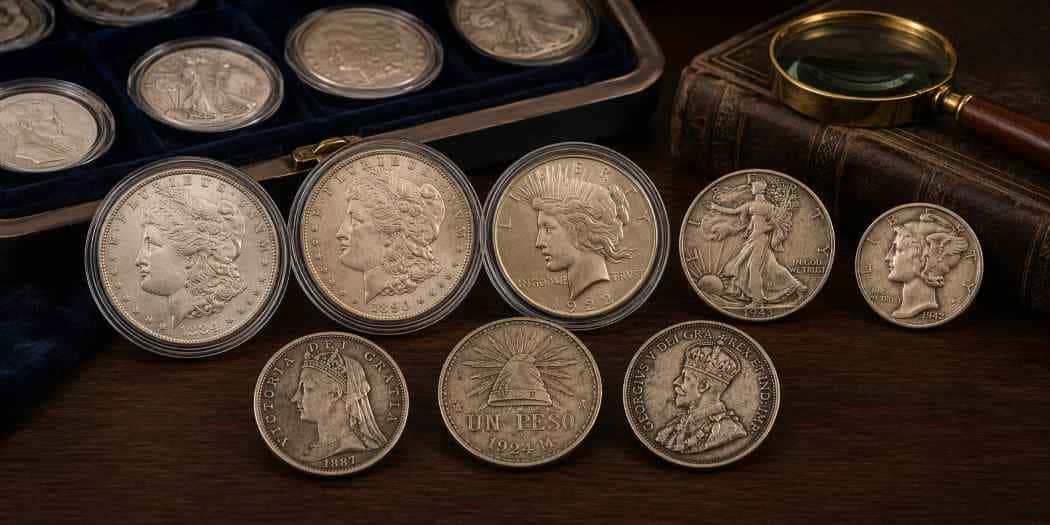
Why Historic Silver Coins Continue to Attract Investors and Collectors
Long before modern bullion coins became a staple of precious metals investing, silver coins circulated through economies, financed trade, and marked pivotal moments in history. Today, many of those same coins have found new life as highly sought-after collectibles, appealing not only for their silver content but also for the stories they carry. For investors and collectors alike, collectible silver coins represent a unique intersection where tangible wealth meets historical significance.
Unlike standard bullion products, which derive most of their value from the underlying metal, collectible silver coins are influenced by several independent factors. Their intrinsic silver value provides a foundation, but rarity, historical importance, condition, and collector demand often create premiums that can significantly exceed melt value. Understanding how these forces interact is essential for anyone considering adding historic silver numismatics to a portfolio.
Whether it's a Morgan Silver Dollar that reflects America's westward expansion or a centuries-old European crown that once circulated through international trade routes, collectible silver coins offer something bullion alone cannot: a physical connection to history that has the potential to appreciate for reasons extending beyond fluctuations in the silver market.
When Silver Becomes More Than Bullion
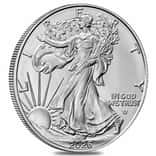
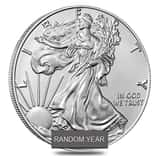
Every silver coin begins with a measurable intrinsic value based on its precious metal content. Bullion coins such as the American Silver Eagle or Canadian Silver Maple Leaf typically trade close to the prevailing silver spot price, with modest premiums covering minting, distribution, and market demand. Collectible silver coins, however, follow a different valuation model.
As coins become scarcer through circulation, melting, or limited original mintages, their value increasingly reflects collector demand rather than simply their silver content. A coin containing less than one ounce of silver may sell for several hundred—or even several thousand—dollars if it is considered rare or survives in exceptional condition. In these cases, the silver itself becomes only one component of the overall value.
This distinction explains why investors should view collectible silver coins differently from bullion. While bullion generally tracks movements in the precious metals market, numismatic coins respond to an additional layer of market dynamics driven by collectors, grading populations, auction activity, and long-term scarcity. These separate demand drivers can occasionally allow collectible coins to outperform the underlying metal, particularly during periods when interest in numismatics strengthens.
That does not mean collectible coins are immune to changes in silver prices. The intrinsic metal value still provides a baseline, particularly for more common historic issues. Instead, investors should think of collectible silver coins as assets whose value rests on two foundations: the precious metal they contain and the historical significance that cannot be replicated.
Historic Silver Coins That Continue to Command Premiums
Certain silver coins have maintained their popularity across generations because they combine recognizable designs, rich historical narratives, and active collector markets.
Among the best-known examples is the Morgan Silver Dollar, minted from 1878 through 1904 before a final production run in 1921. Closely associated with the American West, mining expansion, and the nation's transition into an industrial power, Morgan Dollars remain one of the most actively collected U.S. coin series. While many common-date examples trade close to their bullion value, scarcer dates and higher-grade specimens routinely command substantial premiums.
Its successor, the Peace Dollar, tells a different story. Introduced following World War I, the coin symbolizes hope for lasting peace while marking a new chapter in American history. Collectors often appreciate the series for its relatively short production run and elegant Art Deco-inspired design, making it one of the most recognizable silver dollars ever produced.
Historic appeal extends well beyond the United States. British silver Crowns, Mexican silver Pesos, and early European trade coins each reflect important chapters in global commerce and monetary history. These coins continue attracting collectors who value not only their precious metal content but also their cultural and historical significance. Their enduring popularity demonstrates that numismatic demand often transcends national borders, creating diverse opportunities for collectors interested in world silver coinage.
Understanding Why Silver Coin Premiums Change Over Time
For new collectors, one of the biggest surprises is discovering that two silver coins containing the same amount of precious metal can differ dramatically in price. The reason lies in the concept of a numismatic premium—the amount a buyer pays above the coin's intrinsic silver value. That premium is influenced by several factors working together, and it can fluctuate independently of the silver spot price.
Rarity is often the most obvious driver. Coins with low original mintages or high survival rates in circulated condition become increasingly valuable when well-preserved examples are scarce. Condition also plays a critical role. A coin graded Mint State 65 by a respected third-party grading service may sell for several times the price of the same date in circulated condition because pristine examples are far less common. Eye appeal, including strong luster, attractive toning, and minimal surface marks, can further enhance a coin's desirability.
Market demand also shapes premiums. Popular series such as Morgan and Peace Silver Dollars enjoy large, established collector communities that create consistent demand regardless of short-term movements in silver prices. Anniversary years, renewed interest from new collectors, and notable auction results can all contribute to rising premiums. Conversely, if collector demand softens or additional examples enter the marketplace, premiums may stabilize even when silver prices continue climbing.
Understanding these dynamics helps investors make more informed purchasing decisions. Rather than focusing solely on the lowest premium available, experienced buyers often evaluate whether a coin possesses characteristics that could sustain or increase its collectible appeal over the long term.
Building a Silver Coin Collection With Long-Term Value in Mind
Successful collectors rarely chase the hottest coin of the moment. Instead, they focus on quality, authenticity, and patience. Purchasing certified coins graded by reputable organizations such as the Professional Coin Grading Service (PCGS) or Numismatic Guaranty Company (NGC) provides greater confidence in authenticity and condition, particularly when acquiring higher-value historic pieces. Well-documented provenance and original surfaces can also contribute to long-term desirability.
Diversification remains just as important in numismatics as it is in traditional investing. Many collectors choose to balance their holdings between modern bullion silver and historic collectible coins. Bullion products provide direct exposure to silver prices and tend to offer greater liquidity, while collectible coins introduce the potential for appreciation driven by rarity, historical importance, and sustained collector demand. The two approaches complement one another rather than compete.
Perhaps most importantly, collectible silver coins reward curiosity. Every coin carries a story that extends beyond its metal content, whether it commemorates an important era, reflects advances in minting technology, or once circulated during a defining moment in history. For investors, that added dimension can provide another avenue for long-term value. For collectors, it transforms a simple purchase into the preservation of a small but tangible piece of the past.
Related reading you may find interesting:
How Much Silver Does Starlink Use?
The Hidden Security Features Protecting Today's Bullion Coins