View Charts
5 Warning Signs of Counterfeit Gold and Silver Bars and Coins
 0
0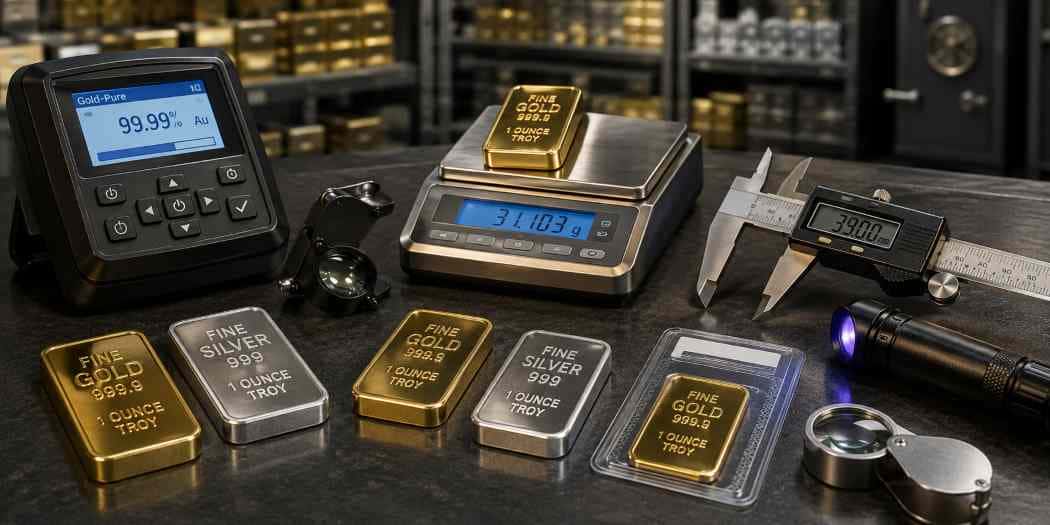
Counterfeit Bullion Is Becoming More Sophisticated—But So Are the Ways to Spot It
The rise in precious metals investing has brought millions of new buyers into the physical bullion market. As gold continues trading near historic highs and silver remains a popular entry point for investors, demand for bars and coins has expanded well beyond traditional collectors. That growth has also created an unfortunate side effect: counterfeit bullion has become more common, more sophisticated, and more difficult to identify at first glance.
Modern counterfeiters no longer rely on crude imitations. Today's fakes can closely replicate the appearance of genuine bullion, complete with convincing packaging and counterfeit assay cards, making visual inspection alone far less reliable than it once was.
The timing makes authentication especially important. Elevated gold prices increase the potential profits for counterfeiters, while expanding online marketplaces have made it easier than ever for buyers and sellers to connect without meeting in person. Fortunately, counterfeit bullion still tends to reveal itself through a combination of warning signs rather than a single flaw. Investors who understand those signals—and who purchase from established, reputable dealers—can dramatically reduce their risk.
Unrealistic Pricing Usually Signals a Bigger Problem
The precious metals market is highly transparent. Spot prices are published globally in real time, and premiums on common bullion products tend to move within relatively narrow ranges. That makes extraordinary bargains surprisingly uncommon.
Warning Sign #1: The price is dramatically below prevailing market levels.
If a one-ounce gold bar is offered hundreds of dollars below comparable products from established dealers, the explanation is rarely a lucky opportunity. More often, unusually low prices indicate counterfeit merchandise, stolen goods, or sellers attempting to exploit inexperienced buyers who focus only on the discount rather than the overall transaction.
Counterfeiters often pair unrealistic pricing with artificial urgency, claiming inventory is about to disappear or insisting buyers send immediate, irreversible payment.
Warning Sign #2: A seller pressures you to complete the purchase before verifying the product.
Legitimate bullion dealers expect customers to compare prices, review specifications, and ask questions before buying. High-pressure tactics, vague product descriptions, reluctance to provide additional photographs, or resistance to discussing authenticity should encourage caution rather than faster decision-making.
Price should always be evaluated within the broader context of the seller's reputation, payment protections, and the product itself. Saving a few dollars on bullion is rarely worth introducing uncertainty into an investment designed to preserve wealth over decades.
Authentic Bullion Is Difficult to Fake Completely
While counterfeiters have become increasingly skilled at replicating appearance, matching the physical characteristics of genuine bullion remains considerably more difficult.
Warning Sign #3: Weight and dimensions don't precisely match published specifications.
Government mints and major private refiners manufacture bullion to extremely tight tolerances. A product that appears authentic but differs in weight, thickness, or diameter may contain cheaper substitute metals beneath a convincing exterior. Even small discrepancies deserve attention, particularly when multiple measurements fail to align with official specifications.
Simple tools such as a precise digital scale and calipers allow investors to verify many products at home. More advanced authentication methods—including ultrasonic testing, X-ray fluorescence (XRF), and Sigma Metalytics verification devices—are widely used throughout the precious metals industry because they analyze bullion without causing damage.
Packaging also deserves careful examination.
Warning Sign #4: Packaging, assay cards, or serial numbers appear inconsistent.
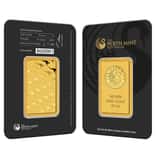
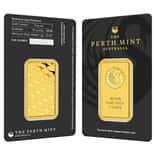
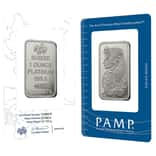
Many investment-grade bars are sealed in tamper-evident assay cards listing the refiner, purity, weight, and often a unique serial number. Counterfeit versions may contain blurred printing, inconsistent fonts, poor lamination, spelling errors, or mismatched serial numbers. Packaging alone never proves authenticity, but inconsistencies are often among the first clues that a product deserves closer inspection.
Reputable Dealers Reduce Risk Before Authentication Begins
The most effective defense against counterfeit bullion often comes long before a buyer examines the product. It begins with choosing where to purchase it.
Warning Sign #5: The seller cannot establish a trustworthy chain of custody.
Established bullion dealers source products directly from government mints, authorized distributors, and recognized private refiners, creating a documented chain of custody from production to the customer. Many also authenticate secondary-market bullion before offering it for resale, adding another layer of protection for buyers.
The situation can be very different on peer-to-peer marketplaces, online classified listings, social media groups, or auction sites. While legitimate sellers certainly exist on these platforms, buyers often have limited visibility into where a bar or coin originated, how it has been stored, or whether it has been independently verified. Once bullion changes hands several times without clear documentation, establishing authenticity becomes far more difficult.
Professional bullion dealers also have a strong incentive to maintain rigorous authentication standards because their reputations, customer relationships, and buyback programs depend on product authenticity. While no source is entirely immune to sophisticated counterfeits, purchasing through established dealers substantially reduces the risk before authentication even begins.
Authentication Works Best When Several Tests Agree
No single authentication method should be viewed as infallible. Counterfeiters continue refining their techniques, and some high-quality fakes can pass one basic test while failing another.
Experienced bullion professionals therefore rely on multiple verification methods rather than searching for one definitive answer. Weight and dimensions are compared with official specifications. Magnification reveals fine details that may be invisible to the naked eye. Magnetic properties can expose certain base-metal substitutes, while advanced tools such as Sigma Metalytics analyzers, ultrasonic testing equipment, and X-ray fluorescence (XRF) devices provide additional confirmation without damaging the bullion.
For most investors, advanced testing is rarely necessary when purchasing from trusted sources. Combining basic verification methods with reputable dealers eliminates most counterfeit concerns before they become costly mistakes.
Confidence Comes From Preparation, Not Guesswork
Counterfeit bullion will likely remain an unfortunate reality as long as precious metals retain significant value. Advances in manufacturing have made fake gold and silver products more convincing than ever, but they have not eliminated the warning signs that careful buyers can recognize.
Unrealistic pricing, questionable sellers, inconsistent specifications, suspicious packaging, and undocumented product origins often appear together rather than in isolation. Investors who approach purchases with patience, verify basic physical characteristics, and buy from established dealers dramatically reduce the likelihood of encountering counterfeit bullion.
Physical gold and silver are long-term stores of value, and protecting that investment begins with informed buying decisions. Researching the seller, confirming published specifications, and understanding basic authentication methods provide far greater protection than chasing an offer that seems too good to be true.