View Charts
all silver products
Quick Links
Gold
Gold at Spot Gold Bars Gold Coins
Silver
Silver at Spot Silver Coins Silver Bars Silver Rounds Exclusives
Platinum
Platinum Coins Platinum BarsFilter

As low as:$185.10

As low as:$185.10
As low as:$127.55
As low as:$2.85
As low as:$1,161.00
As low as:$58.05
As low as:$202.87

As low as:$106.44

As low as:$101.44
As low as:$101.44
As low as:$106.44
As low as:$106.44
As low as:$101.44
As low as:$74.37
As low as:$74.37
As low as:$233.10

As low as:$149.05

As low as:$106.86
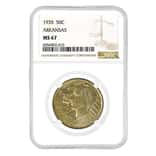
As low as:$1,022.03
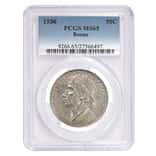
As low as:$175.82
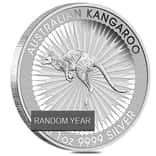
As low as:$59.05
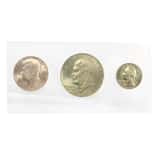
As low as:$35.86
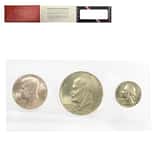
As low as:$36.67
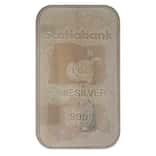
As low as:$77.05
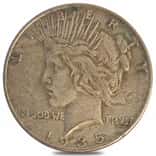
As low as:$56.51
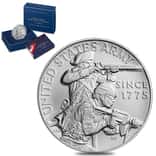
As low as:$77.54
As low as:$732.50
As low as:$4,583.02

As low as:$214.21
- on sale
As low as:$185.10
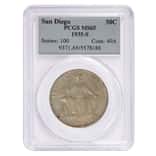
As low as:$155.82
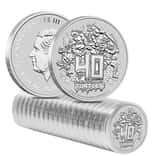


FAQs
Why Should I Consider Buying Silver?
You should consider buying silver for several reasons, including its role as a store of value, a hedge against economic uncertainties, and its industrial applications. Here are some key points to consider:
- Diversification: Investing in silver can help diversify your investment portfolio, reducing overall risk. Since silver often has a low correlation with other assets like stocks and bonds, it can provide a potential hedge against market volatility.
- Inflation Hedge: Silver, like gold, has been considered a hedge against inflation. As the value of fiat currencies decreases due to inflation, the relative value of precious metals like silver tends to increase, protecting your purchasing power over time.
- Safe Haven: During times of economic uncertainty, geopolitical tensions, or financial market turmoil, investors often turn to precious metals like silver as a safe haven. This can help preserve your wealth during difficult periods.
- Industrial Demand: Silver is used extensively in various industries, including electronics, solar panels, medical applications, and automotive manufacturing. This industrial demand creates a strong foundation for silver prices and can contribute to price appreciation over time.
- Price Appreciation Potential: Silver has shown the potential for price appreciation in the past, especially during periods of high inflation or economic uncertainty. This can provide a potential opportunity for capital gains in addition to its wealth preservation properties.
- Affordability: Silver is generally more affordable than gold, making it more accessible to a broader range of investors. This affordability can allow you to accumulate a more significant amount of physical silver or invest in silver-related assets with a smaller initial investment.
- Liquidity: Silver is a highly liquid asset, meaning it can be quickly and easily converted into cash. This liquidity can be beneficial if you need to access your investment quickly in the event of an emergency or take advantage of other investment opportunities.
What are the different forms of silver I can invest in?
There are various forms of silver you can invest in, each with its own advantages and disadvantages. Here are some of the most popular options:
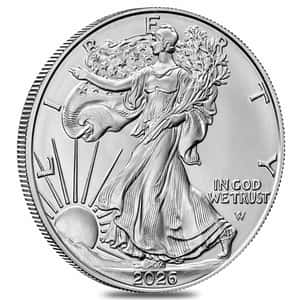
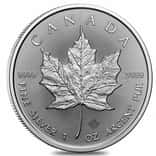
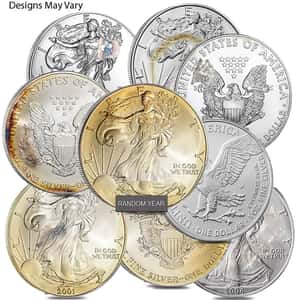
- Physical Silver: This includes silver bullion coins, bars, and rounds. Physical silver allows you to directly own and control the asset, providing a tangible store of value. Some popular silver bullion coins include the American Silver Eagle, Canadian Silver Maple Leaf, and Austrian Silver Philharmonic.
- Silver Certificates: These are documents that represent ownership of a specific amount of silver bullion stored in a secure vault. Silver certificates allow you to invest in silver without the need to store or transport the physical metal.
- Silver ETFs (Exchange Traded Funds): Silver ETFs are investment funds that track the price of silver and trade on stock exchanges like regular stocks. These funds hold either physical silver or silver futures contracts, providing exposure to silver prices without the need to own or store the metal. Some popular silver ETFs include the iShares Silver Trust (SLV) and the Aberdeen Standard Physical Silver Shares ETF (SIVR).
- Silver Stocks: These are shares of companies involved in the silver mining, refining, or production industries. Investing in silver stocks allows you to gain exposure to the potential growth of silver-related companies, but it also exposes you to company-specific risks, such as management decisions and operational issues.
- Silver Mutual Funds: These are investment funds that hold a diversified portfolio of silver-related assets, such as silver mining stocks or silver ETFs. Silver mutual funds provide professional management and diversification, but they may also come with higher fees compared to ETFs.
- Silver Futures and Options: These are financial derivatives that allow you to speculate on the future price of silver. Silver futures and options can be complex and risky, so they are generally recommended for more experienced investors with a deeper understanding of the commodities market.
- Silver Mining Royalty and Streaming Companies: These companies provide financing to silver mining operations in exchange for a share of the silver produced or a percentage of the revenues generated. Investing in silver royalty and streaming companies can offer exposure to silver prices while also benefiting from the growth of mining operations.
How Do I Buy Physical Silver?
Is Silver a Safe Investment?
Silver can be considered a relatively safe investment, but like any investment, it comes with its own risks and rewards. Here are some factors to consider when evaluating the safety of silver as an investment:
- Diversification: Silver can act as a portfolio diversifier, helping to reduce the overall risk of your investments. It often exhibits a low correlation with traditional assets, such as stocks and bonds, providing a potential hedge against market volatility.
- Safe-haven asset: Silver is often viewed as a safe-haven asset during times of economic uncertainty or geopolitical tensions. Investors may turn to silver to protect their wealth when other asset classes are experiencing losses.
- Inflation hedge: Silver can help protect against inflation, as its value tends to rise when the purchasing power of paper currencies decreases. Historically, silver has maintained its value relative to goods and services, making it a potential hedge against the eroding effects of inflation.
- Industrial demand: The industrial demand for silver provides some level of price support, as it is used in various applications, such as electronics, solar panels, and medical devices. This demand can help maintain silver's value over time.
- Price volatility: Silver prices can be volatile, with short-term fluctuations driven by factors such as market sentiment, economic data, and geopolitical events. This can lead to significant price swings, which may not be suitable for risk-averse investors.
- Storage and insurance: Physical silver requires storage and insurance, which can add to the overall cost of ownership. These costs can impact the return on investment, especially for smaller investors.
- Opportunity cost: Investing in silver may mean forgoing the potential returns offered by other asset classes, such as stocks or real estate. Investors should consider their investment objectives, risk tolerance, and time horizon when deciding whether to invest in silver.
How Do I Invest in Silver Stocks, Mutual Funds, or ETFs?
Investing in silver stocks, mutual funds, or ETFs can be an alternative to buying physical silver, offering exposure to the silver market without the need for storage or insurance. Here's how to invest in these different options:
- Silver stocks: Investing in silver stocks means buying shares of companies involved in silver mining, exploration, or production. To invest in silver stocks, you'll need to open a brokerage account with a financial institution or online brokerage platform. Once your account is set up, research various silver companies, evaluate their financial health, and choose the stocks you'd like to buy. Then, place your buy order through your brokerage platform.
- Silver mutual funds: Silver mutual funds are professionally managed investment vehicles that pool money from investors to invest in a diversified portfolio of silver-related assets, including stocks of mining companies and sometimes physical silver. To invest in a silver mutual fund, you'll need to open an account with a mutual fund company or through a brokerage platform that offers mutual fund investments. Research the different silver mutual funds available, review their performance and fees, and choose the one that aligns with your investment goals. Then, purchase shares of the mutual fund through your account.
- Silver ETFs: Silver Exchange-Traded Funds (ETFs) are investment funds that track the price of silver or an index of silver-related companies. Some ETFs invest in physical silver, while others invest in stocks of silver mining companies. To invest in silver ETFs, open a brokerage account with an online or traditional brokerage firm. Research the various silver ETFs available, considering factors like performance, expense ratios, and the ETF's investment strategy. Choose the silver ETF that aligns with your investment objectives, and place a buy order through your brokerage platform.
What are the Costs Associated with Buying Silver?
There are several costs associated with buying silver that investors should be aware of before making a purchase. These costs can vary depending on the form of silver investment and the method of purchase. Some common costs associated with buying silver include:
- Premiums: When buying physical silver, you will typically pay a premium above the spot price of silver. This premium covers the costs of refining, minting, and distributing the silver, as well as a profit margin for the seller. Premiums can vary depending on the type of silver product (coins, bars, or rounds) and the level of demand in the market.
- Commissions and fees: When buying silver through a broker or online platform, you may be charged a commission or transaction fee for the purchase or sale of silver assets. These fees vary depending on the brokerage or platform you use.
- Storage costs: If you choose to store your physical silver in a secure facility or a private vault, you will incur storage fees. Storage costs will depend on the storage provider and the amount of silver being stored.
- Insurance costs: If you decide to store your silver at home or in a private vault, you may want to purchase insurance to protect your investment against theft, damage, or loss. Insurance costs will vary based on the value of your silver holdings and the coverage you choose.
- Management fees and expense ratios: When investing in silver mutual funds or ETFs, you'll need to pay management fees or expense ratios. These fees cover the costs of managing the fund and are typically charged as a percentage of the assets under management. Expense ratios can vary depending on the fund and should be considered when comparing different investment options.
- Capital gains tax: When selling your silver investment at a profit, you may be subject to capital gains tax, depending on your country's tax laws and your personal circumstances. Consult with a tax advisor to understand the tax implications associated with buying and selling silver in your jurisdiction.
How Do I Store My Physical Silver?
Storing physical silver securely and safely is an important aspect of silver investment. There are several options available for storing your silver, each with its own set of advantages and considerations. Here are some common storage methods:
- Home storage: Storing silver at home can provide easy access and a sense of control over your investment. You can use a high-quality safe or a hidden storage space to keep your silver secure. However, home storage comes with risks, such as theft, fire, or natural disasters. It's essential to have a robust security system in place and consider purchasing insurance to protect your investment.
- Bank safe deposit boxes: Renting a safe deposit box at a bank can offer a secure storage option for your silver. Banks typically have strong security measures in place, and your silver is protected in a private, climate-controlled environment. However, safe deposit boxes can be expensive, and you may not have immediate access to your silver outside of banking hours.
- Private vaults and storage facilities: Some investors choose to store their silver in private vaults or specialized storage facilities. These companies offer enhanced security, and insurance coverage, and often allow you to store your silver in segregated or allocated storage, ensuring your silver is not commingled with other clients' assets. This option can be more expensive than home storage or bank safe deposit boxes, but it provides a high level of protection and peace of mind.
- Storage through a dealer or brokerage: Some silver dealers or brokerages offer storage services for their clients. This can be a convenient option if you purchase silver through the same company. However, it's crucial to verify the dealer's reputation and ensure that they provide adequate security, insurance, and transparency.
How Do I Sell My Silver?
Selling your silver involves various steps, depending on the form of silver you hold and your chosen sales method. Here are some common methods to sell silver:
- Local coin shops or precious metal dealers: Selling your silver to a local coin shop or precious metal dealer can be a convenient and fast option. Research and visit reputable local dealers, present your silver for inspection, and negotiate a fair price based on the current silver spot price and the condition of your items. Make sure to receive multiple quotes from different dealers to ensure you're getting the best possible price.
- Online dealers: Many online precious metal dealers buy silver, offering a wider market and potentially better prices. Research reputable online dealers, inquire about their selling process, and follow their guidelines. Usually, this involves shipping your silver to the dealer for inspection and receiving a quote. Ensure you understand the shipping and insurance costs and the dealer's fees before committing to a sale.
- Peer-to-peer platforms: Online platforms such as eBay or social media groups dedicated to precious metals can connect you with potential buyers. Selling silver directly to individuals can yield higher prices but may involve more time and effort. Take clear, high-quality photos of your silver, provide accurate descriptions, and set a competitive price based on the current silver spot price and the condition of your items. Keep in mind that you'll need to handle shipping and insurance costs and be cautious of potential scams.
- Silver ETFs, stocks, or mutual funds: If you hold silver in the form of ETFs, stocks, or mutual funds, selling is typically a more straightforward process. Contact your brokerage firm or investment platform and follow their instructions to sell your shares. Be aware of any fees or commissions associated with the sale.
- Auction houses: For high-value or rare silver items, you may consider selling through an auction house. Research reputable auction houses with experience in precious metals, and inquire about their consignment process, fees, and estimated sale prices. Auctions can yield high prices, but the process may take longer, and fees can be significant.
What are the Tax Implications of Investing in Silver?
The tax implications of investing in silver vary depending on your location, the type of silver investment, and the duration you hold the investment. While this answer provides a general overview, it is crucial to consult a tax professional or financial advisor in your jurisdiction for personalized advice. Here are some common tax considerations when investing in silver:
- Capital Gains Tax: In many countries, including the United States, when you sell silver for a profit, you may be subject to capital gains tax. The tax rate depends on your income level, the holding period (short-term or long-term), and your country's specific tax laws.
- Sales Tax: When buying physical silver, you may be subject to sales tax depending on the local regulations. Some states in the United States exempt certain types of bullion or coins from sales tax, while others apply a sales tax to all precious metal purchases. Be sure to research the sales tax implications in your jurisdiction before making a purchase.
- VAT/GST: In some countries, a value-added tax (VAT) or goods and services tax (GST) may apply to the purchase of physical silver. This tax rate varies by country, and some countries may offer exemptions or reduced rates for certain types of silver products.
- Income Tax: If you earn interest or dividends from silver-related investments, such as silver stocks, bonds, or exchange-traded funds (ETFs), you may be subject to income tax on those earnings, depending on your jurisdiction's tax laws.
- Inheritance and Gift Tax: If you bequeath or gift silver to someone, there may be inheritance or gift tax implications, depending on the value of the silver and your jurisdiction's tax laws.
- Reporting Requirements: Some countries may require you to report your silver holdings or sales on your tax return, especially if the value exceeds certain thresholds. Be sure to research and comply with any reporting requirements in your jurisdiction.
What Factors Affect the Price of Silver?
The price of silver is influenced by a combination of factors, including supply and demand dynamics, macroeconomic factors, and investor sentiment. Here are some key factors that can affect the price of silver:
- Industrial demand: Silver has numerous industrial applications, including electronics, solar panels, medical devices, and the automotive industry. An increase in demand for these products can lead to higher silver prices.
- Investment demand: Silver is considered a safe-haven investment during times of economic uncertainty or market volatility. When investors seek to diversify their portfolios or protect their wealth, they may turn to silver, increasing its demand and price.
- Economic indicators: Macroeconomic factors, such as inflation, interest rates, and currency fluctuations, can influence the price of silver. For example, a weaker US dollar may increase the price of silver, as it becomes more affordable for investors holding other currencies.
- Mine production and supply: Changes in silver mine production, new discoveries, or mine closures can impact the overall supply of silver, affecting its price. Additionally, geopolitical factors or environmental regulations in mining countries can influence silver production and supply.
- Central bank actions: Central banks may buy or sell silver as part of their monetary policies, affecting its demand and price. Moreover, changes in interest rates can influence investor sentiment and the attractiveness of alternative investments, impacting the price of silver.
- Market sentiment and speculation: Investor sentiment and market expectations can drive short-term price fluctuations in silver. Speculative trading, such as futures contracts and options, can cause significant price movements based on market sentiment.
- Gold-to-silver ratio: The gold-to-silver ratio represents the number of silver ounces needed to purchase one ounce of gold. This ratio can influence investor sentiment and affect the relative value of silver compared to gold, impacting its price.
- Government policies: Government policies, such as import and export regulations, taxes, or trade policies, can influence the supply and demand dynamics for silver, affecting its price.
Is Silver a Safe Investment?
Silver can be considered a relatively safe investment, but like any investment, it comes with its own risks and rewards. Here are some factors to consider when evaluating the safety of silver as an investment:
- Diversification: Silver can act as a portfolio diversifier, helping to reduce the overall risk of your investments. It often exhibits a low correlation with traditional assets, such as stocks and bonds, providing a potential hedge against market volatility.
- Safe-haven asset: Silver is often viewed as a safe-haven asset during times of economic uncertainty or geopolitical tensions. Investors may turn to silver to protect their wealth when other asset classes are experiencing losses.
- Inflation hedge: Silver can help protect against inflation, as its value tends to rise when the purchasing power of paper currencies decreases. Historically, silver has maintained its value relative to goods and services, making it a potential hedge against the eroding effects of inflation.
- Industrial demand: The industrial demand for silver provides some level of price support, as it is used in various applications, such as electronics, solar panels, and medical devices. This demand can help maintain silver's value over time.
- Price volatility: Silver prices can be volatile, with short-term fluctuations driven by factors such as market sentiment, economic data, and geopolitical events. This can lead to significant price swings, which may not be suitable for risk-averse investors.
- Storage and insurance: Physical silver requires storage and insurance, which can add to the overall cost of ownership. These costs can impact the return on investment, especially for smaller investors.
- Opportunity cost: Investing in silver may mean forgoing the potential returns offered by other asset classes, such as stocks or real estate. Investors should consider their investment objectives, risk tolerance, and time horizon when deciding whether to invest in silver.