View Charts
Why the Silver Market Keeps Running a Supply Deficit
 0
0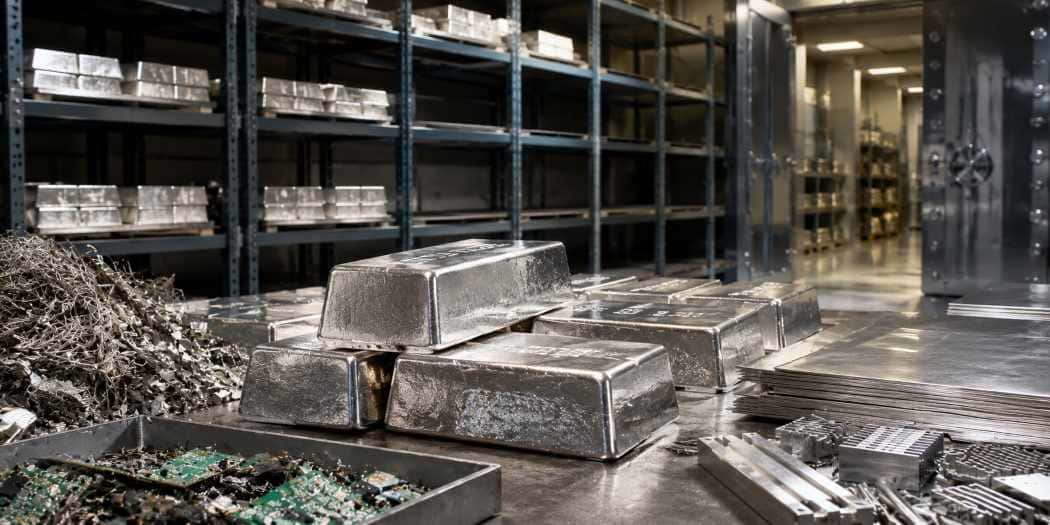
A Deficit Does Not Mean the Shelves Are Empty
The phrase silver supply deficit can sound more dramatic than the market mechanics behind it. If annual demand exceeds newly available supply, it is tempting to imagine refiners running dry and bullion dealers eventually having nothing left to sell. Yet silver has recorded repeated annual deficits without disappearing from the market. The reason is that annual mine production is only one part of a much larger system.
The Silver Institute's World Silver Survey 2026, produced by Metals Focus, expects 2026 to mark the sixth consecutive year in which demand exceeds supply. That imbalance matters because repeated deficits require metal to come from inventories accumulated in earlier years. It does not mean every form of silver becomes unavailable at once. Coins and bars can remain readily obtainable even while the broader market draws down above-ground stocks, and shortages can emerge in one location or product category while ample metal remains elsewhere.
Most Silver Does Not Come From Silver Mines
One unusual feature of silver supply is that much of the metal is produced as a by-product. In 2025, lead and zinc mines remained the largest source of mined silver, while output from copper and gold operations also contributed substantially. Primary silver mines accounted for only about 28% of mine production, according to the Silver Institute.
That structure limits how quickly miners can respond to a higher silver price. A primary silver producer may have a strong incentive to expand when prices rise, but a copper or lead-zinc mine bases its production decisions largely on the economics of its principal metal.
Mine development adds another constraint. New projects require exploration, financing, permits, construction and processing infrastructure, so additional supply rarely appears simply because the market has entered deficit. The 2026 outlook illustrates the point: mine production is expected to remain broadly stable even after several years in which total demand exceeded supply. Higher prices may encourage future investment, but the supply response operates on a much slower timetable than the price screen.
Recycling Is the Market's Flexible Supply Valve
Mine production is comparatively slow to change, but recycling can react more quickly. Higher prices encourage households, businesses and industrial users to sell recoverable silver, sending jewelry, silverware, industrial scrap and other material back through refiners. Silver recycling reached 197.6 million ounces in 2025, a 12-year high, and the Silver Institute expects another increase in 2026.
Recycling nevertheless has limits. Not every ounce used by industry is economically recoverable, and silver dispersed in tiny quantities across electronics and other products may cost more to collect and refine than the recovered metal is worth. Other material can remain in use for years before becoming scrap.
This makes recycling an important buffer rather than an unlimited substitute for mine supply. Rising silver prices can coax more existing metal back into circulation, helping the market absorb periods of strong demand, but recycling does not automatically close a persistent structural gap.
Industrial Demand Is Changing, Not Simply Rising
The demand side is equally easy to oversimplify. Silver has exceptional electrical and thermal conductivity, giving it important roles in electronics, automobiles, power infrastructure, solar technology and increasingly the equipment supporting data centers and artificial intelligence. Industrial fabrication reached record levels earlier in the decade as electrification and photovoltaic installations expanded.
For silver demand in 2026, however, the story has become more nuanced. The Silver Institute expects industrial demand to decline from 2025 levels, largely because solar manufacturers are using less silver per cell and, in some cases, substituting other materials. Solar installations can therefore continue growing while the amount of silver consumed by the sector falls. At the same time, data centers, AI-related technologies and automotive applications are expected to support consumption elsewhere.
Manufacturers respond to high input costs through engineering, thrifting and substitution when technically possible. Silver demand can remain historically substantial while its composition changes, and investment demand can strengthen at the same time that certain fabrication categories weaken.
Investment Can Tighten the Market Without Consuming Silver
Physical investment introduces another wrinkle into silver supply and demand. When an industrial manufacturer buys silver, the metal may be incorporated into a product and dispersed through the economy. When an investor buys a bullion bar, the silver still exists in a concentrated, recognizable form. Economically, however, it has moved into the hands of an owner who may have no intention of selling it at the current price.
The Silver Institute expects physical investment in coins and bars to strengthen substantially in 2026 after rising in 2025. Exchange-traded products can also affect available liquidity when investor inflows cause metal to be allocated to fund holdings.
A strong price rally can encourage investors to sell silver bars, coins or other holdings, returning metal to the market. This ability of investment stocks to move between available and tightly held supply helps explain why silver can experience sudden episodes of physical tightness without the world literally running out of metal.
Above-Ground Inventories Bridge the Deficit
The missing piece in many discussions of a silver shortage is inventory. A market deficit is an annual flow calculation: demand during a period exceeds the combination of mine production, recycling and other counted supply. The difference must therefore be met from silver that already exists above ground. The Silver Institute specifically notes that the market continues to rely on releases from above-ground bullion inventories to bridge its supply-demand gap.
Those inventories are spread across exchange vaults, institutional holdings, private bullion stocks, fabricators, investors and other locations. They are not one giant reserve that becomes uniformly accessible when demand rises. Geography, bar specifications, ownership, transportation, financing and willingness to sell all determine whether a particular ounce can satisfy a particular need.
This is why dealer shelves are a poor standalone measure of the global balance. A retailer may have plentiful one-ounce rounds while wholesale markets are tight in large bars, or a popular sovereign coin may command a high premium because minting capacity cannot keep pace with retail demand even when raw silver is available. Conversely, low retail premiums do not prove that years of global deficits are irrelevant.
The Real Question Is How Much Inventory Can Be Mobilized
Six consecutive deficits do not imply that a day arrives when the last available ounce vanishes. They indicate that current flows have repeatedly been insufficient to satisfy demand without drawing on metal accumulated previously. The longer that process continues, the more important the size, location and availability of remaining inventories become.
For bullion buyers, that distinction provides a better framework for reading headlines about a silver deficit. Mine supply, recycling, industrial fabrication, investment and above-ground stocks interact continuously, while premiums on retail products also reflect fabrication capacity, logistics and dealer inventories. A genuine global deficit can therefore coexist with normal access to silver bullion.
The more useful question is not whether silver is about to disappear from dealer shelves. It is whether enough existing metal can continue moving from willing holders to the parts of the market that need it, at prices that clear the imbalance. Persistent deficits increase the importance of that inventory cushion—and help explain why periods of apparently comfortable availability can still give way to abrupt tightness when investment or industrial demand accelerates.
Related reading you may find interesting:
Why Round Numbers Matter When Silver Prices Surge