View Charts
Why Sovereign Gold Coins Often Resell for More Than Generic Bullion
 0
0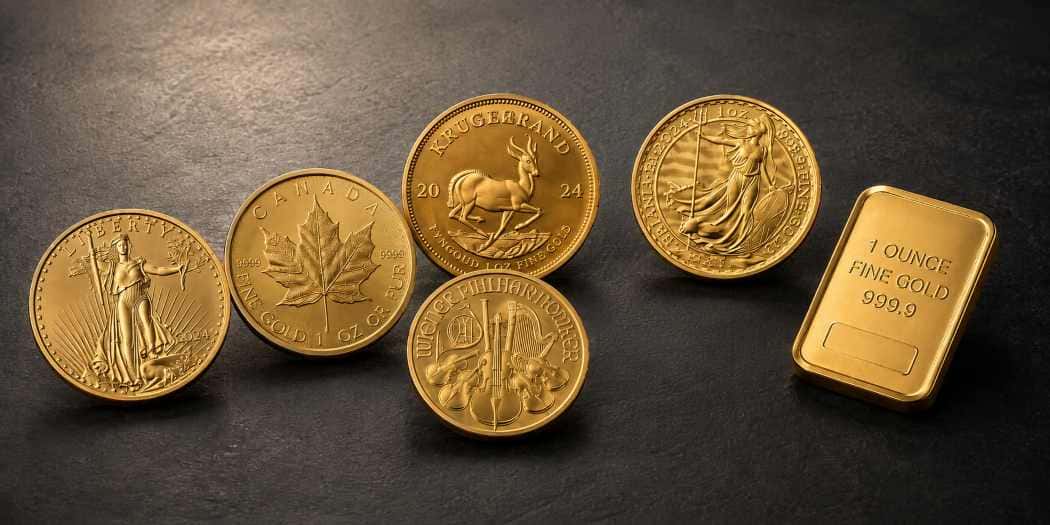
The Real Test of Gold Ownership Comes When It's Time to Sell
Imagine two investors walking into the same bullion dealer on the same afternoon. Both own exactly one ounce of gold. One places an American Gold Eagle on the counter. The other unwraps a one-ounce generic gold bar.
The gold spot price is identical. The gold content is identical. Yet the dealer's first reaction is often very different.
That's because bullion isn't traded on metal alone. It also trades on familiarity. Before a dealer quotes a price, they're already thinking about the next buyer. How quickly will this product sell? Will it need additional verification? Will customers recognize it immediately, or will it require an explanation?
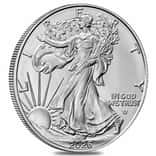
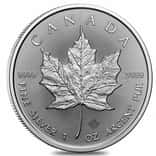
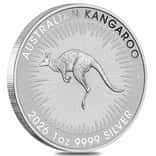
Those questions help explain why sovereign gold coins frequently command stronger resale prices than generic bullion. Products issued by established government mints—such as the American Gold Eagle, Canadian Gold Maple Leaf, South African Krugerrand, British Britannia, Austrian Philharmonic, and Australian Kangaroo—have spent decades building worldwide trust. Their value extends beyond their precious-metal content because the market already knows exactly what they are.
The difference isn't always dramatic, and generic bars remain an efficient way to own physical gold. But when it's time to sell gold bullion, recognition often becomes an asset of its own.
Recognition Doesn't Add Gold—It Removes Doubt
Bullion dealers make hundreds of buying decisions every week, and most happen quickly. A widely recognized sovereign coin rarely requires a lengthy conversation. Its specifications are well established, its authenticity is easier to assess, and there's already an active market waiting for it.
Generic bars can be just as pure and produced by highly respected refiners, but they're not all viewed equally. Some brands enjoy global recognition, while others circulate primarily through regional wholesalers or private distributors. A dealer may simply pause a little longer before making an offer—not because the gold is worth less, but because selling it again may require more work.
That distinction becomes more important than many investors realize. Bullion changes hands repeatedly throughout its lifetime, and every transaction introduces a small amount of uncertainty. Products that minimize that uncertainty generally move through the market more efficiently.
In other words, sovereign coins aren't necessarily more valuable because they're government-issued. They often command stronger resale prices because they reduce friction. Dealers know them, buyers ask for them, and the next transaction is easier to complete.
Liquidity Has Value Long Before You Need It
Investors often think about liquidity only when they're ready to sell. In reality, the market assigns value to liquidity long before that day arrives.
During periods of strong demand or market volatility, dealers naturally favor products that can move quickly through inventory. Sovereign gold coins have an advantage because they're among the most actively traded bullion products in the world. Whether the next buyer is a retail investor, another dealer, or a wholesale distributor, there's little uncertainty about what they're purchasing.
That's one reason bid-ask spreads on popular sovereign coins often remain competitive despite their higher initial premiums. The premium isn't simply paying for a government stamp—it's paying for decades of market acceptance.
Why Sovereign Coins Sometimes Develop a Market of Their Own
Recognition isn't the only advantage sovereign bullion enjoys. The strongest government-issued coins also attract buyers who aren't motivated solely by the price of gold.
An investor purchasing a generic one-ounce bar is usually buying metal as efficiently as possible. Sovereign coins often appeal to that same investor, but they also draw collectors, date-set builders, and buyers who prefer particular designs or national mint programs. That broader audience creates demand that can extend beyond melt value.
The American Gold Eagle is a good example. Most trade close to bullion value, but older dates, lower-mintage years, and coins in exceptional condition can command premiums that generic bars simply cannot. Canadian Gold Maple Leafs, British Britannias, and Australian Kangaroos have developed similar followings, while the South African Krugerrand retains a unique place as the modern bullion coin that helped define the global investment market.
That doesn't make sovereign coins "numismatic" in the traditional sense. Most remain bullion products first. The distinction is that collector interest can provide an additional layer of demand, especially for discontinued designs, key dates, or certified examples. A generic bar, by comparison, is almost always valued on its gold content and the reputation of the refiner that produced it.
For investors focused on long-term flexibility, that extra source of demand can matter. When more buyers compete for the same product, resale opportunities often become broader and pricing more resilient.
When Generic Gold Bars Make More Sense
None of this means generic bullion is the wrong choice.
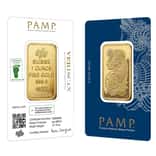
For investors whose primary goal is accumulating the greatest amount of gold for the lowest premium, bars frequently offer excellent value. One-ounce bars from respected refiners such as PAMP Suisse, Valcambi, Asahi, and Argor-Heraeus are widely recognized throughout the bullion trade and often carry lower acquisition costs than sovereign coins. Larger bars can reduce premiums even further, making them attractive for high-volume buyers.
The tradeoff comes later. While established refinery brands enjoy strong market acceptance, bars generally compete more directly on metal value than on brand recognition or collector demand. They may require additional verification, and the pool of retail buyers is often narrower than it is for the world's most recognizable sovereign coins.
For many investors, that difference is perfectly acceptable. Lower upfront premiums can outweigh slightly lower resale premiums, particularly for those who intend to hold their gold for decades or primarily view it as portfolio insurance.
The important point is that purchase price tells only part of the story. Total ownership cost includes the ease, speed, and price at which an asset can eventually be sold.
Buy With the Exit in Mind
The purchase price matters, but so does the eventual resale. Two gold products can contain the same amount of fine metal and still behave differently in the secondary market because buyers do not evaluate recognition, liquidity, and resale demand in exactly the same way.
That is where sovereign coins often have an advantage. Products such as widely traded government-minted gold coins come with familiar specifications, established dealer demand, and broad recognition among investors. Those characteristics can make them easier to price and resell, particularly when a seller wants a straightforward transaction rather than an authentication process that depends more heavily on the individual bar or refiner.
Generic bars can still be a very efficient way to own physical gold, especially when the priority is minimizing the premium paid above spot. For some buyers, that lower entry cost will matter more than the potential resale advantage of a sovereign coin. The real comparison is therefore not coins versus bars in the abstract, but lower acquisition cost versus stronger secondary-market flexibility.
That tradeoff is worth considering before the purchase is made. A small premium savings can be attractive on the way in, but recognizable sovereign coins may justify their higher cost if they produce a cleaner, more competitive exit later.
Related reading you may find interesting:
The British Britannia: History Behind Britain's Iconic Bullion Coin