View Charts
Why More Investors Are Buying Fractional Gold
 0
0
Gold Has Become More Expensive—But Ownership Has Become More Flexible
Gold's climb to record prices has changed more than investor sentiment. It has changed buying habits.
Rather than waiting for lower prices or stretching to purchase a full ounce, many investors are choosing fractional gold instead. Smaller denominations have transformed physical gold from a purchase that often required months of planning into one that can fit a broader range of budgets and investment strategies.
That shift reflects a wider change in how people build wealth. Investors increasingly favor flexibility over large, one-time commitments, and fractional gold fits naturally into that approach. Whether purchased as a one-gram bar, a one-tenth-ounce coin, or another smaller denomination, fractional gold allows buyers to accumulate physical bullion gradually without sacrificing ownership of one of history's most trusted stores of value.
Why Smaller Gold Products Appeal to More Than First-Time Buyers
Affordability is often the first advantage associated with fractional gold, but it is far from the only one. While smaller pieces provide an accessible entry point for new investors, demand is also growing among experienced buyers who value flexibility as much as low premiums.
Instead of committing the cost of an entire ounce at once, investors can purchase smaller amounts as opportunities arise. That makes it easier to add to a position over time, whether investing monthly, after receiving a bonus, or during periods of market volatility. The approach resembles dollar-cost averaging used in traditional investment portfolios, allowing buyers to build holdings without feeling pressured to predict short-term price movements.
Growing product availability has reinforced that trend. Nearly every major sovereign mint now issues fractional versions of its flagship bullion coins, while respected refiners produce small gold bars in convenient weights ranging from one gram to ten grams. Investors have more choice than ever before without compromising on purity, security, or global recognition.
The Value of Flexibility Often Outweighs Higher Premiums
Fractional gold almost always carries a higher premium per ounce than larger bars or coins because manufacturing, packaging, and distribution costs are spread across less gold. At first glance, that appears to make larger products the obvious financial choice.
In practice, many investors willingly accept that trade-off because flexibility has value of its own.
Selling a single one-ounce coin means liquidating the entire position, whether the investor needs a few hundred dollars or several thousand. Owning multiple fractional gold coins or small gold bars offers greater control. Individual pieces can be sold as needed while the remainder of the portfolio stays intact, making it easier to raise cash, rebalance investments, or respond to changing financial circumstances.
That same flexibility extends to buying. Rather than delaying purchases until enough cash is available for a larger product, investors can continue accumulating gold in manageable increments. Over several years, those smaller acquisitions can develop into a meaningful allocation while avoiding the pressure of making one substantial purchase.
Choosing Between Fractional Gold Coins and Small Gold Bars
Although both contain investment-grade gold, fractional gold coins and small gold bars serve slightly different purposes.
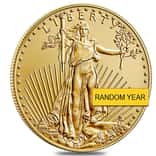
Government-issued coins such as the American Gold Eagle, Canadian Gold Maple Leaf, and British Britannia are recognized worldwide and often appeal to buyers who value liquidity, legal-tender status, and iconic designs. Their long histories and broad market acceptance can make them particularly attractive when it comes time to sell.
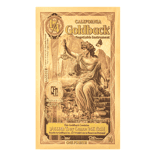
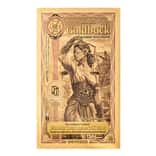
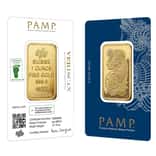
Small gold bars, by contrast, often emphasize simplicity. Produced by internationally recognized refiners such as PAMP Suisse, Valcambi, and Argor-Heraeus, they typically feature clean, efficient designs and are commonly packaged in tamper-evident assay cards that certify their weight and purity. Investors who prioritize maximum gold content in a compact format frequently gravitate toward bars, while collectors and gift buyers may prefer the artistic appeal of bullion coins.
The choice ultimately depends less on which format is 'better' and more on how the gold will be used. For many investors, owning a combination of both provides the greatest balance of flexibility, recognition, and long-term utility.
Why Fractional Gold Is Popular for Gifting and Generational Wealth
Not every gold purchase is intended for a portfolio. Fractional gold has also become one of the most practical ways to mark important life events with a gift that carries both financial and sentimental value.
Graduations, weddings, milestone birthdays, anniversaries, and the birth of a child have long inspired gifts meant to last a lifetime. Unlike many traditional presents, a fractional gold coin or small gold bar combines permanence with intrinsic value. It can become the beginning of a precious-metals collection, a family heirloom, or simply an introduction to tangible assets for someone who has never owned physical gold.
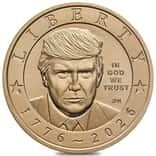
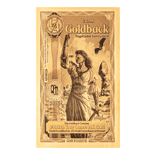
The growing variety of products has expanded those possibilities. Alongside classic bullion coins, investors can choose from elegantly packaged minted bars, limited-edition designs, and licensed collectibles that appeal to both bullion buyers and collectors. While these specialty products often command higher premiums, they demonstrate that fractional gold has evolved beyond a purely investment-driven purchase into a versatile asset with broad appeal.
Understanding Premiums Without Losing Sight of Value
One of the most common questions new buyers ask is whether higher premiums make fractional gold a poor investment. The answer depends on how the gold will be used.
On a cost-per-ounce basis, larger bars generally provide better value because fabrication and distribution costs are spread across more metal. Investors focused solely on maximizing ounces for every dollar spent often prefer one-ounce bars or larger formats for that reason.
However, premiums tell only part of the story. A product that offers greater flexibility may deliver more practical value over time than one purchased at the lowest possible premium. Investors who build their holdings gradually, anticipate selling portions of a position in the future, or appreciate the convenience of owning multiple smaller pieces often find that the additional cost is justified.
Rather than viewing fractional and full-ounce products as competing choices, many experienced buyers use them together. Larger bars can serve as the foundation of a long-term allocation, while fractional gold provides liquidity and flexibility around the edges of a portfolio.
Fractional Gold Has Earned a Permanent Place in Modern Portfolios
The growing popularity of fractional gold reflects more than rising gold prices. It reflects a broader shift in how investors approach wealth preservation. Flexibility, accessibility, and long-term planning have become just as important as minimizing premiums, particularly for buyers who prefer to accumulate assets steadily instead of making infrequent large purchases.
Fractional gold also lowers the barrier to entry without lowering the quality of the investment. Whether choosing internationally recognized fractional gold coins or investment-grade small gold bars from respected refiners, buyers own the same precious metal that has preserved wealth across generations. The size changes; the underlying value does not.
As product selection continues to expand and more investors discover the advantages of gradual accumulation, fractional gold is likely to remain an important part of the physical bullion market. For some, it will provide a practical first step into gold ownership. For others, it will become a permanent component of a diversified precious-metals strategy because the ability to buy, hold, gift, and sell in smaller increments is increasingly valuable in today's investment landscape.
Related reading you may find interesting:
Why Gold Remains the World's Ultimate Safe-Haven Asset
Why Sovereign Gold Coins Often Resell for More Than Generic Bullion