View Charts
Top 10 Tips for New Precious Metals Investors
 0
0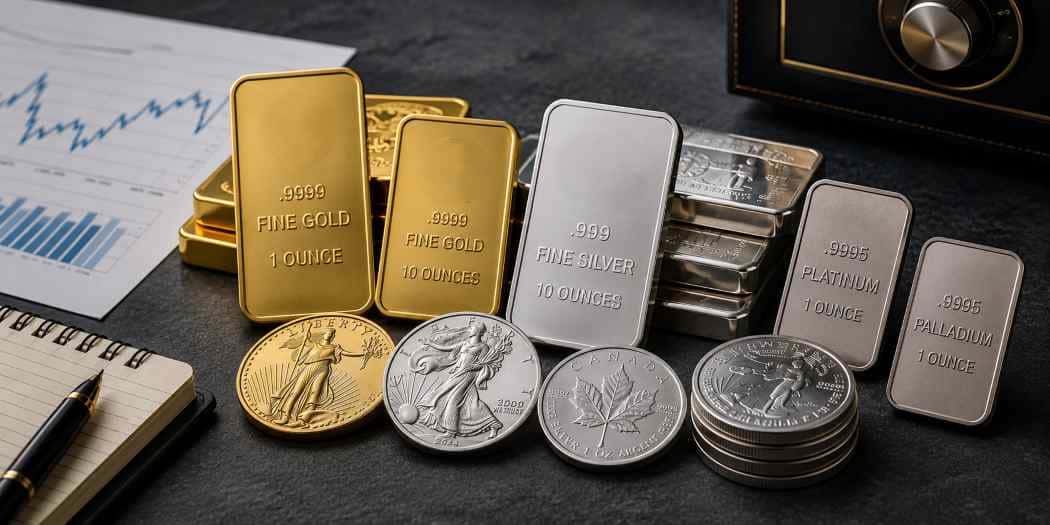
Build Good Habits Before You Build a Bullion Portfolio
Buying physical precious metals has become increasingly attractive as investors seek assets that can help diversify portfolios, preserve purchasing power, and reduce exposure to financial market uncertainty. Gold continues to serve as a trusted store of value, while silver, platinum, and palladium offer their own unique investment characteristics driven by both monetary and industrial demand. For new investors, however, success isn't determined by purchasing the right coin on the right day. It comes from developing a disciplined strategy that can withstand changing market conditions over many years.
Many first-time buyers make the mistake of focusing exclusively on price. While finding a competitive premium certainly matters, experienced investors know that product selection, storage, diversification, and consistency often have a greater impact on long-term results than attempting to predict short-term market moves. The strongest bullion portfolios are typically built gradually rather than all at once.
Whether you're purchasing your first ounce of silver or considering a long-term allocation to gold, these ten practical tips can help you invest with greater confidence while avoiding many of the common mistakes beginners make.
1. Know Why You're Buying Precious Metals
Before comparing products or watching daily precious metal price charts, define your investment objective. Some investors purchase bullion primarily as a hedge against inflation, while others view precious metals as portfolio diversification or long-term wealth preservation. Your goals will influence what you buy, how much you allocate, and how long you intend to hold your investment.
Having a clear purpose also helps remove emotion from the decision-making process. Investors who understand why they own precious metals are generally less likely to react impulsively to short-term market swings or alarming financial headlines.
2. Start With Widely Recognized Bullion Products
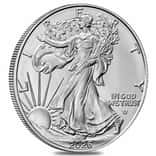
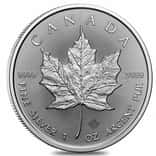
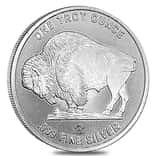
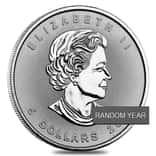
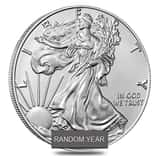
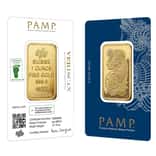
For beginners, simplicity is usually the best approach. Government-issued bullion coins such as the American Gold Eagle, American Silver Eagle, Canadian Maple Leaf, and Austrian Philharmonic are among the most recognizable precious metals products in the world. Popular bullion bars produced by established refiners also provide an efficient way to build a position with competitive premiums.
Choosing products that enjoy broad global recognition can make future resale easier and provide additional confidence that you're purchasing investment-grade bullion rather than niche collectibles.
3. Understand Spot Price and Premiums
One of the first concepts every precious metals investor should learn is the difference between the spot price and the retail price paid for physical bullion. The spot price reflects the current market value of the underlying metal, while the premium covers manufacturing, distribution, dealer costs, and market demand.
Premiums vary depending on the product, market conditions, and supply availability. A lower premium isn't automatically the better value, nor does a higher premium necessarily mean a product is overpriced. Understanding how premiums work allows investors to compare products more intelligently instead of focusing solely on the headline price.
4. Buy From Reputable Precious Metals Dealers
Physical bullion is only as trustworthy as the dealer selling it. Established precious metals dealers provide authentic products, transparent pricing, secure shipping, and responsive customer service. They also offer a wider selection of investment-grade bullion and can help investors understand the differences between coins, bars, and other products without unnecessary sales pressure.
While bargain prices from unknown sellers can be tempting, purchasing from reputable dealers significantly reduces the risk of counterfeit products, misleading descriptions, or poor after-sale support.
5. Diversify Beyond a Single Metal
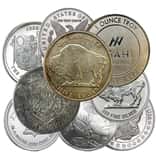
Gold often receives the most attention, but it isn't the only precious metal worth considering. Silver combines investment demand with extensive industrial use, while platinum and palladium are influenced by manufacturing, automotive production, and global supply dynamics. Because each metal responds differently to economic conditions, holding more than one can create a more balanced precious metals allocation.
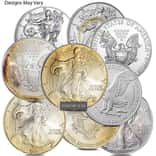
Diversification also applies within each metal. Combining different sizes of coins and bars can provide flexibility if you later decide to liquidate only part of your holdings.
6. Have a Secure Storage Plan Before You Buy
Storage is an essential part of precious metals investing, yet it's often overlooked by first-time buyers. Before making your first purchase, decide where your bullion will be stored and how you'll protect it. Depending on the size of your investment, options may include a high-quality home safe, a bank safe deposit box, or a professional vault storage.
Security should always be balanced with accessibility. Regardless of the method you choose, keep an organized inventory of your holdings and store purchase receipts in a separate secure location. Good recordkeeping can simplify insurance claims, estate planning, and future sales.
7. Don't Try to Perfectly Time the Market
Many new investors wait for the "perfect" opportunity to buy, only to postpone their purchase indefinitely as prices continue to fluctuate. In reality, consistently building a position over time is often more effective than attempting to predict short-term highs and lows.
A disciplined approach—such as making periodic purchases throughout the year—helps reduce the emotional pressure of market timing while averaging purchase prices across different market environments. This strategy encourages long-term thinking instead of reacting to every economic headline or daily price movement.
8. Keep Detailed Records of Every Purchase
Precious metals are tangible assets, and maintaining accurate records is just as important as selecting the right products. Save invoices, shipping confirmations, certificates of authenticity when applicable, and any documentation related to your purchases.
Good documentation makes it easier to track your average acquisition cost, verify ownership, and prepare for eventual resale. It can also prove valuable for insurance purposes or when discussing your holdings with financial or tax professionals.
9. Avoid Emotional Buying During Market Headlines
Periods of economic uncertainty often generate dramatic headlines that can encourage impulsive investment decisions. While precious metals have historically performed well during many periods of market stress, prices can also experience significant short-term volatility.
Rather than chasing sudden rallies or reacting to alarming news, focus on your original investment objectives. Investors who remain disciplined during both rising and falling markets are generally better positioned than those who constantly adjust their strategy based on daily sentiment.
10. Build a Long-Term Bullion Strategy
The most successful precious metals investors rarely view bullion as a short-term trade. Instead, they gradually build positions that complement a diversified investment portfolio and periodically review their allocation as financial goals evolve.
A thoughtful bullion strategy may include a combination of gold for long-term wealth preservation, silver for both investment and industrial exposure, and smaller allocations to platinum or palladium for additional diversification. As your knowledge grows, your portfolio can evolve alongside your financial objectives without abandoning the disciplined habits established at the beginning.
A Strong Foundation Leads to Better Investment Decisions
Beginning a precious metals portfolio doesn't require perfect market timing or extensive investing experience. What matters most is establishing sound habits that can support your investment decisions over the long term. Choosing recognized bullion products, understanding pricing, diversifying thoughtfully, storing your assets securely, and maintaining a consistent purchasing strategy can help reduce many of the mistakes that new investors encounter.
Markets will continue to fluctuate, and economic conditions will inevitably change. Investors who approach bullion with patience, realistic expectations, and a clearly defined strategy are often better prepared to navigate both periods of uncertainty and long-term opportunities. For beginners entering the precious metals market, building that foundation may prove just as valuable as the metals themselves.
Related reading you may find interesting:
Gold Price Per Gram: How Much Gold Can You Buy at Every Budget?