View Charts
Gold Price Per Gram: How Much Gold Can You Buy at Every Budget?
 0
0
From One Gram to One Ounce: Understanding Your Buying Power
For many first-time investors, the gold price per gram is the number that makes physical gold feel attainable. While a one-ounce bullion coin often captures the headlines, most people don't begin their precious metals journey by purchasing a full ounce. Instead, they start by asking a much simpler question: How much gold can I afford today?
That's one reason fractional gold products have become increasingly popular. Whether your budget is $100 or several thousand dollars, there are investment-grade gold bars and coins designed to fit a wide range of financial goals. Building a physical gold portfolio doesn't require a large upfront commitment—it requires consistency, realistic expectations, and an understanding of how different products are priced.
The current gold price per gram provides an important benchmark, but it isn't the amount you'll typically pay for a finished bullion product. Fabrication costs, minting, distribution, and dealer premiums all contribute to the final retail price. Once investors understand that distinction, it becomes much easier to compare products and choose the option that best fits both their budget and long-term strategy.
The Gold Price Per Gram Is Only the Starting Point
The spot price of gold reflects the market value of pure gold traded in global financial markets. Dividing that value by 31.1035—the number of grams in one troy ounce—provides the approximate gold price per gram. Investors often use this figure to monitor market movements and estimate the intrinsic value of bullion.
Physical products, however, almost always sell above spot price. A 1 gram gold bar contains one gram of investment-grade gold, but it also includes manufacturing costs, secure packaging, refining, transportation, and dealer operating expenses. Smaller products generally carry higher premiums on a per-gram basis because those fixed costs are spread across less gold.
Rather than focusing exclusively on finding the lowest premium, new investors should balance affordability, liquidity, and long-term value. Widely recognized products from respected refiners and sovereign mints often command slightly higher premiums, but they can also be easier to authenticate and resell in the future.
What Can You Buy at Different Budget Levels?
The examples below assume a gold price of approximately $128.60 per gram (equivalent to about $4,000 per ounce) before dealer premiums. Actual products, premiums, and availability vary by dealer and market conditions, so these examples are intended as general guidelines.
What Can You Buy for Under $100?
For investors looking to make their first gold purchase, the under-$100 range offers an affordable entry point through 1/4 gram and 1/2 gram gold bars. While these micro bars contain less gold and typically carry the highest premiums per gram, they allow buyers to own investment-grade physical gold without making a large financial commitment.
These smaller denominations have become increasingly popular among new investors, gift buyers, and those who prefer to build their holdings gradually. Although purchasing larger bars generally provides better long-term value, fractional gram bars make physical gold ownership accessible to nearly every budget.
What Can You Buy for $100 to $250?
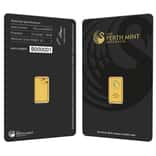
For investors ready to take the next step, a 1 gram gold bar is often the most practical starting point. At the example gold price used throughout this guide, a 1 gram bar typically falls within this budget even after accounting for dealer premiums. These compact, investment-grade bars strike a balance between affordability and value, making them one of the most popular choices among first-time bullion buyers.
Although 1 gram bars still carry higher premiums than larger products, they offer considerably better value than micro bars while remaining accessible to most investors. They also provide an excellent foundation for building a physical gold portfolio over time through regular purchases and dollar-cost averaging.
What Can You Buy for $250 to $1,000?
As your investment budget grows, so do your options. This price range typically provides access to 2 gram, 2.5 gram, and 5 gram gold bars, depending on dealer premiums and product availability. These larger gram bars generally offer better value because manufacturing costs are spread across more gold, reducing the premium paid per gram.
For investors who plan to buy gold on a regular basis, this budget range often strikes an ideal balance between affordability and long-term cost efficiency. Buyers can acquire more gold with each purchase while still maintaining the flexibility to build their holdings gradually as market conditions and personal budgets allow.
What Can You Buy for $1,000 to $3,500?
With a larger investment budget, buyers can move into 10 gram, 20 gram, and 25 gram gold bars, depending on dealer premiums and product availability. As bar sizes increase, the premium per gram generally declines, allowing a greater percentage of your investment to go directly toward the gold itself. This makes larger gram bars an attractive option for investors seeking to maximize the amount of physical gold they receive for every dollar spent.
This is often the point where investors begin thinking beyond simply accumulating gold and start focusing on portfolio efficiency. Rather than purchasing several smaller bars over time, a single larger bar can reduce overall acquisition costs while simplifying storage. At the same time, many experienced investors continue buying a mix of bar sizes, combining the lower premiums of larger bars with the flexibility of smaller gram products that can be sold individually if needed.
What Can You Buy for More Than $3,500?
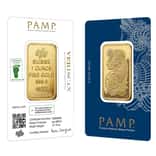
Investors with budgets exceeding $3,500 gain access to a much wider selection of larger gold bars, including 30 gram, 50 gram, 100 gram, 250 gram, 500 gram, and even 1 kilogram bars, depending on their investment objectives and prevailing gold prices. At this level, premiums per gram are typically among the lowest available, allowing more of each dollar invested to go directly toward the intrinsic value of the gold.
Larger bars are often favored by long-term investors seeking to maximize their gold holdings while minimizing acquisition costs. Although they require a greater initial investment, these products can provide exceptional value for those focused on wealth preservation over the long term. Before purchasing larger bars, investors should also consider practical factors such as secure storage, insurance, and future liquidity, as selling a single large bar is less flexible than liquidating several smaller denominations.
When Does Buying Larger Gold Products Make Sense?
One of the biggest advantages of increasing your purchase size is improving cost efficiency. As bullion products become larger, premiums typically decline on a per-gram basis, allowing investors to devote more of their purchase price toward the gold itself rather than fabrication costs.
That doesn't necessarily mean every investor should wait until they can afford a one-ounce bar. For someone building a precious metals portfolio gradually, purchasing smaller products consistently may be more practical than delaying purchases while trying to save for larger bullion. This approach allows investors to participate in the market while spreading purchases across different price environments.
Storage and future liquidity should also influence your decision. Smaller bars and fractional coins can provide greater flexibility if you eventually choose to liquidate only part of your holdings, whereas larger products simplify storage and often offer stronger long-term pricing efficiency.
Building a Gold Portfolio One Purchase at a Time
Successful gold investing is rarely about making a single large purchase at exactly the right moment. More often, it is the result of disciplined accumulation over many months or years. Investors who make regular purchases can steadily increase their holdings while reducing the pressure of trying to perfectly time the market.
Whether your first purchase is a 1 gram gold bar or a full-ounce bullion coin, the underlying objective remains the same: owning physical gold as part of a diversified long-term investment strategy. As your budget grows, you can gradually transition toward larger bars and coins that offer improved pricing while still maintaining the flexibility that fractional products provide.
The gold price per gram offers an easy way to understand the value of physical gold, but it should be viewed as the beginning of the decision-making process rather than the final answer. By understanding how premiums work, selecting products that fit your budget, and investing consistently over time, you can build a physical gold portfolio regardless of where your investment journey begins.
Related reading you may find interesting:
Perth Mint Sets Guinness World Record With World's Largest Gold Bar