View Charts
The Role of Fineness in Precious Metals: A Buyer's Guide
 0
0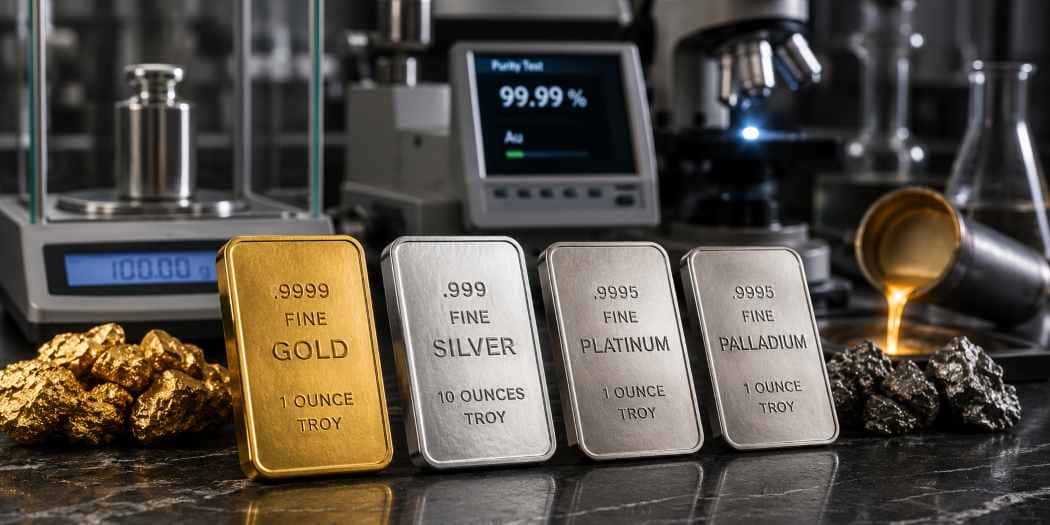
Why Purity Matters More Than Most First-Time Buyers Realize
For many first-time precious metals buyers, the focus naturally falls on price. Gold is measured against the spot market, silver is compared by premium, and platinum or palladium are often evaluated by availability. Yet one of the most important factors affecting every bullion purchase is often overlooked: fineness.
Whether you're buying a one-ounce gold coin, a silver bar, or platinum bullion, the fineness stamped on the product tells you exactly how much of the precious metal it contains. That number influences not only intrinsic value but also eligibility for precious metals IRAs, international recognition, manufacturing standards, and, in some cases, collector appeal.
Understanding fineness is more than learning to interpret numbers like .999 or .9999. It provides a clearer framework for comparing bullion products across sovereign mints, private refiners, and different metals. Once buyers understand what fineness represents—and what it does not—they're better equipped to evaluate products based on their actual precious metal content rather than marketing claims or appearance alone.
What Fineness Actually Measures
Fineness expresses the proportion of pure precious metal contained within a coin, round, or bar. Rather than using percentages, the bullion industry typically measures purity in parts per thousand. A gold bar marked .9999 fine, for example, contains 999.9 parts pure gold out of every 1,000 parts of the finished product. Likewise, a silver bar stamped .999 fine consists of 99.9% pure silver.
Although the concept is straightforward, fineness should not be confused with weight. A one-ounce bullion coin contains one troy ounce of precious metal regardless of its overall weight. If alloy metals are added for durability, as is the case with certain investment and historic coins, the finished coin simply weighs slightly more to ensure the stated precious metal content remains accurate.
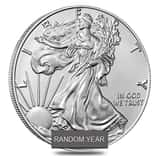
This distinction explains why products with different fineness levels can still contain the same amount of precious metal. A modern 24-karat Gold Buffalo and a 22-karat American Gold Eagle each contain one troy ounce of gold, even though the Eagle also includes small amounts of silver and copper to improve durability. For investors, the gold content—not simply the purity percentage—is ultimately what determines intrinsic value.
Why Different Metals Have Different Purity Standards
Although .9999 gold and .999 silver are now common, there is no universal fineness requirement across all precious metals. Each metal has developed its own manufacturing standards based on refining capabilities, durability, industrial use, and historical precedent.
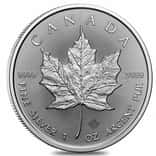
Gold bullion has steadily moved toward ultra-high purity over the past several decades. Canadian Gold Maple Leafs, Gold Buffalos, and many investment bars are produced with .9999 fineness, reflecting advances in refining technology and strong global demand for nearly pure investment-grade gold.
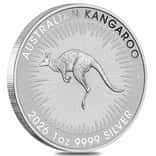
Silver follows a slightly different convention. Most modern bullion coins and bars are refined to .999 fine silver, although some private refiners and specialty products reach .9999 purity. Because silver naturally tarnishes through exposure to sulfur compounds in the environment, those higher purity levels generally provide little practical advantage for most investors.
Platinum and palladium bullion typically meet .9995 fineness, a standard recognized by major bullion markets and accepted for investment products worldwide. While slightly lower than many gold bullion products, the difference reflects long-established refining standards rather than inferior quality. For buyers, .9995 platinum or palladium remains exceptionally pure by any practical measure.
Purity Doesn't Always Determine Value
One of the most common misconceptions among new investors is that higher fineness automatically makes one bullion product more valuable than another. In reality, market value depends on total precious metal content rather than purity alone.
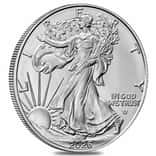
A one-ounce American Gold Eagle containing one troy ounce of gold will generally track the same underlying gold price as a one-ounce Canadian Gold Maple Leaf, despite the Eagle's 22-karat composition. Investors are purchasing one ounce of gold in either case, not simply comparing percentages printed on the coin.
The same principle applies across silver, platinum, and palladium bullion. Premiums often vary because of mint reputation, production costs, demand, security features, or collectible appeal rather than marginal differences in fineness. A respected sovereign bullion coin may command a higher premium than a privately minted bar despite containing the same amount of precious metal at a similar purity level.
For collectors, however, purity can become only one component of a product's value. Limited mintages, historic significance, artistic design, condition, and rarity frequently outweigh intrinsic metal content. That distinction is one of the defining differences between bullion investing and numismatic collecting, where scarcity and demand often drive prices far beyond melt value.
Reading Bullion Labels With Confidence
Once you understand fineness, product specifications become much easier to interpret. Nearly every reputable bullion product clearly identifies its weight, metal type, and purity through markings on the bar or coin, its assay card, or the mint's official specifications.
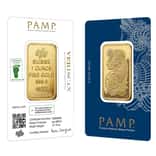
For example, a gold bar labeled "1 oz .9999 Fine Gold" tells you it contains one troy ounce of nearly pure gold. A silver bar marked "10 oz .999 Fine Silver" contains ten troy ounces of silver refined to 99.9% purity. Those simple markings provide investors with the information needed to compare products across manufacturers, regardless of branding or design.
Reputable sovereign mints and leading private refiners maintain strict quality-control standards, making fineness one of the most standardized aspects of the bullion market. Products from institutions such as the U.S. Mint, Royal Canadian Mint, Perth Mint, The Royal Mint, PAMP Suisse, and Valcambi are recognized globally because buyers trust both the stated purity and the issuing organization's reputation.
This consistency also explains why counterfeit bullion often attempts to imitate official markings. While fineness stamps are an important indicator of authenticity, investors should purchase precious metals from established dealers and, when appropriate, verify products using weight, dimensions, packaging, and advanced authentication methods rather than relying on purity markings alone.
Choosing the Right Bullion Goes Beyond Purity
Understanding fineness is an important step for every precious metals investor, but it shouldn't be the only factor guiding a purchase. Weight, liquidity, premiums, recognizability, storage, and long-term investment objectives often play a greater role in determining which bullion products best fit a portfolio.
For investors focused primarily on precious metal exposure, choosing between a .9999 gold bar and a 22-karat American Gold Eagle is often less important than buying from a trusted source at a competitive premium. Both contain the same amount of gold, enjoy strong global recognition, and can serve as effective long-term stores of value despite their different compositions.
The same principle extends across silver, platinum, and palladium. Higher purity may appeal to some buyers, but reputable bullion products are designed to meet internationally accepted standards regardless of whether they are refined to .999, .9995, or .9999. Understanding why those standards differ allows investors to compare products more confidently without assuming that a higher purity stamp automatically represents a better investment.
Ultimately, fineness should be viewed as one part of a broader evaluation rather than the deciding factor in every purchase. Once buyers understand how purity, precious metal content, and market premiums work together, they can evaluate bullion on its overall investment merits instead of focusing on a single number stamped into the metal. That perspective leads to more informed decisions and a stronger foundation for building a precious metals portfolio.