View Charts
The Benefits of Diversifying Your Portfolio with Precious Metals
 0
0
In the ever-evolving landscape of investment opportunities, diversification stands as a fundamental principle to mitigate risks and enhance potential returns. Among the various assets available, precious metals such as gold, silver, platinum, and palladium have consistently proven to be reliable components of a diversified portfolio. This article explores the numerous benefits of incorporating precious metals into your investment strategy.
Understanding Diversification
Diversification is the practice of spreading investments across different asset classes to reduce risk. The rationale behind diversification is that a variety of investments will, on average, yield higher returns and pose a lower risk than any individual investment found within the portfolio. By including assets that have different risk profiles and are affected by market conditions in diverse ways, investors can protect their portfolios from significant losses.
The Unique Qualities of Precious Metals
Precious metals have intrinsic value and have been used as a store of wealth for centuries. They offer unique qualities that make them an attractive addition to an investment portfolio:
1. Hedge Against Inflation
One of the primary benefits of precious metals is their ability to act as a hedge against inflation. Unlike paper currency, which can lose value due to inflationary pressures, precious metals typically maintain their value over time. When the cost of goods and services rises, the value of precious metals often increases, preserving purchasing power.
2. Safe Haven Asset
During times of economic uncertainty, geopolitical tensions, or market volatility, investors often flock to safe-haven assets. Precious metals, particularly gold, have a longstanding reputation as a refuge during turbulent times. They tend to retain value or even appreciate when other investments falter, providing a cushion against market downturns.
3. Diversification of Risk
Precious metals have a low or negative correlation with traditional asset classes like stocks and bonds. This means that the performance of precious metals often moves independently of other investments. By adding precious metals to a portfolio, investors can reduce overall risk and volatility, as these assets can provide stability when other investments decline.
4. Liquidity
Precious metals are highly liquid assets, meaning they can be easily bought or sold in the market. This liquidity ensures that investors can quickly convert their holdings into cash if needed, without significant loss of value. The global demand for precious metals ensures a steady market for these assets.
5. Intrinsic Value
Unlike stocks or bonds, which are essentially financial instruments with value derived from an underlying asset or earnings potential, precious metals have intrinsic value. This inherent worth is based on their rarity, industrial applications, and cultural significance. This intrinsic value provides a level of security that other financial assets may not offer.
Types of Precious Metals for Diversification
Investors have several options when it comes to diversifying with precious metals. Each metal offers distinct advantages:
Gold
Gold is the most well-known and widely held precious metal. It serves as a reliable store of value and is often considered a safe haven during economic crises. Gold is also used in various industrial applications, including electronics and jewelry, which supports its demand.
Silver
Silver is both a precious metal and an industrial metal. Its price tends to be more volatile than gold due to its industrial uses in sectors like electronics, solar energy, and medical devices. However, this dual demand can offer significant upside potential.
Platinum
Platinum is rarer than gold and silver and has extensive industrial applications, particularly in the automotive industry for catalytic converters. Its value can be more sensitive to industrial demand, but it also serves as a store of wealth.
Palladium
Palladium is another metal primarily used in industrial applications, especially in the automotive industry. It has seen significant price increases in recent years due to its critical role in catalytic converters and limited supply.
Ways to Invest in Precious Metals
Investors can gain exposure to precious metals through various methods:
Physical Bullion
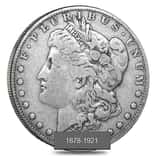
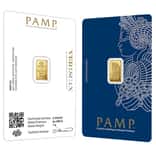
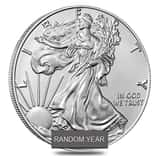
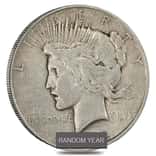
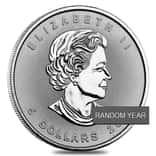
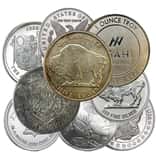
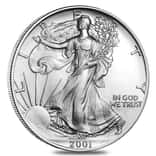
Buying physical bullion, such as coins and bars, is a direct way to invest in precious metals. This method provides tangible ownership and can be stored securely at home or in a professional depository.
Exchange-Traded Funds (ETFs)
ETFs that track the price of precious metals offer a convenient way to invest without the need for physical storage. These funds trade on stock exchanges and can be bought and sold like stocks.
Mining Stocks
Investing in mining companies that produce precious metals can offer leveraged exposure to the price movements of these metals. However, this method carries additional risks related to the operational performance of the mining companies.
Futures Contracts
Futures contracts allow investors to speculate on the future price of precious metals. This method can provide significant leverage but also comes with higher risk and complexity.
Mutual Funds
Mutual funds that invest in precious metals or mining stocks provide diversified exposure managed by professional fund managers. This option can be suitable for investors seeking professional management of their precious metals investments.
Conclusion
Diversifying your portfolio with precious metals can provide numerous benefits, including protection against inflation, a safe haven during economic uncertainty, and reduced portfolio risk. The unique qualities of gold, silver, platinum, and palladium make them valuable components of a well-rounded investment strategy. By understanding the different ways to invest in precious metals and their respective advantages, investors can make informed decisions to enhance the resilience and performance of their portfolios. As with any investment, it's essential to conduct thorough research and consider your financial goals and risk tolerance before adding precious metals to your portfolio.