View Charts
Silver Shatters Records, Soaring Beyond $50 an Ounce
 0
0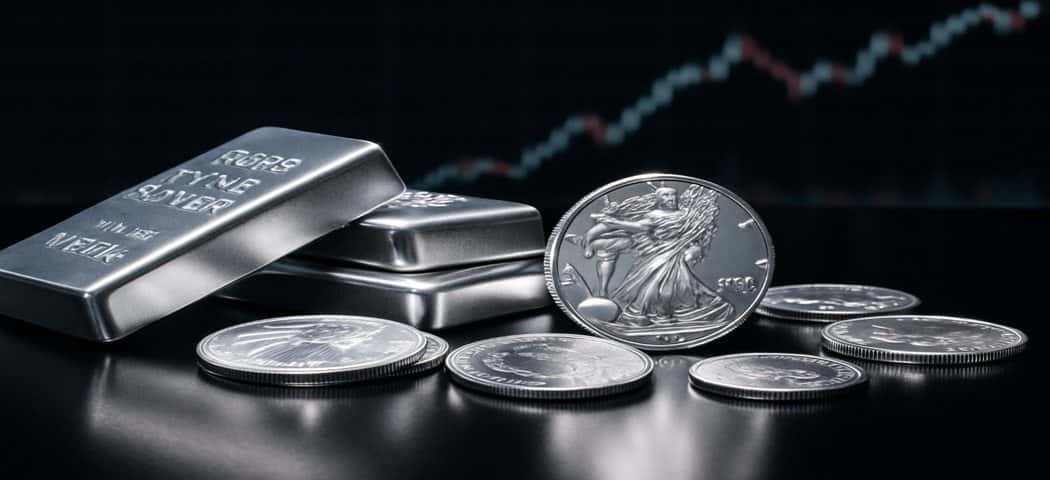
A Milestone Decades in the Making
History has officially been rewritten. Silver has broken the $50 mark, setting a new all-time high and igniting excitement across global markets. The white metal’s dramatic rise reflects a perfect convergence of economic forces — from inflation and fiscal strain to industrial demand and global monetary shifts.
While gold has long dominated headlines as the ultimate store of value, this historic surge reaffirms silver’s dual identity: a precious asset with deep monetary roots and an indispensable industrial metal shaping the technologies of the future.
How We Got Here – The History of Silver Highs
To appreciate the magnitude of silver’s breakout above $50, it’s essential to look back at the pivotal moments that defined its past.
-
1980: Silver reached $49.45 per ounce during the Hunt brothers’ infamous attempt to corner the market — a period marked by speculative buying, high inflation, and financial volatility.
-
2011: In the wake of the global financial crisis, silver climbed to $48.70 as investors sought refuge in hard assets amid aggressive monetary stimulus and quantitative easing.
-
2020–2021: The pandemic era reignited demand for tangible assets, as unprecedented stimulus and inflation fears drove retail investors into precious metals. A viral “silver squeeze” movement briefly pushed prices above $30, setting the foundation for the sustained enthusiasm seen today.
Each of these periods reflected extraordinary circumstances — but none had the broad, multi-sector strength defining today’s market. The 2025 rally stands apart as a convergence of industrial growth, institutional accumulation, and global diversification — a move built on structural demand, not speculation.
The Key Forces Powering Silver’s Historic Rally
A unique blend of global catalysts has propelled silver to this historic milestone:
-
U.S. Government Shutdown: Ongoing political gridlock and fiscal strain have intensified safe-haven demand. As uncertainty over spending, debt, and economic data deepens, investors are turning to physical silver to hedge against policy instability and potential credit disruptions.
-
Central Bank Activity: Nations are diversifying away from the U.S. dollar, with several central banks increasing exposure to silver-backed reserves and gold simultaneously.
-
Monetary Policy Shifts: Expectations of interest rate cuts and slower tightening have reduced real yields, making precious metals more attractive relative to bonds.
-
Weakening U.S. Dollar: The dollar index’s retreat has amplified foreign demand for metals, especially in emerging markets where silver’s affordability enhances appeal.
-
Industrial Expansion: Silver’s unmatched conductivity and reflectivity make it essential for solar panels, electric vehicles, and advanced electronics. The transition to renewable energy has created persistent demand that’s tightening supply chains.
-
Supply Constraints: Declining mine output in key regions such as Mexico and Peru, coupled with increased fabrication demand, is straining global inventories.
Together, these forces have transformed silver from an undervalued alternative to a headline asset leading the commodities complex.
Why This Rally Is Different
Unlike past speculative surges, today’s rally is firmly grounded in fundamentals rather than short-term hype. In 1980 and 2011, silver’s rise was fueled largely by investor excitement, inflation fears, and monetary instability. During 2020–2021, a “silver squeeze” movement briefly reignited global attention as retail investors, inspired by online forums, attempted to challenge institutional markets — pushing prices above $30 but without lasting structural support.
The 2025 rally, however, stands on a much stronger foundation — one defined by long-term industrial demand, central bank diversification, and global investment flows that span both institutional and retail channels.
Key differences include:
-
Broader Market Participation: Institutional, central bank, and retail investors are all contributing to demand growth.
-
Industrial & ESG-Driven Demand: Silver’s role in clean energy, solar technology, and electric vehicles provides enduring utility beyond investment appeal.
-
Structural Supply Deficits: Mine output remains constrained while industrial consumption rises — a true imbalance rather than temporary manipulation.
-
Improved Economic Context: A more stable global macroeconomic backdrop, coupled with verified demand data, underpins the rally’s legitimacy.
In short, silver’s ascent in 2025 represents sustainability, not speculation — a rally driven by utility, scarcity, and renewed global confidence in tangible assets.
Market Sentiment: Momentum Meets Confidence
Investor psychology plays a powerful role in every bull market. The combination of fear over inflation and optimism about silver’s industrial future has created a potent mix of momentum and conviction. Traders, long-term holders, and even central banks are aligned — a rare alignment that reinforces silver’s breakout as both credible and durable.
While volatility is likely to persist in the near term, the underlying tone of the market remains one of measured confidence, not mania.
What’s Next for Silver?
With silver now above $50, analysts are rethinking historical assumptions about its price ceiling. If the metal sustains these levels, new technical and psychological milestones may form around the $52–$55 range.
However, even the most bullish analysts caution that profit-taking could trigger short-term pullbacks — creating entry points for investors who missed the initial breakout. Over the long run, continued industrial demand, constrained supply, and macroeconomic uncertainty could keep silver prices elevated well into 2026 and beyond.
The Investor Takeaway: Balancing Reward and Risk
For investors, this historic rally underscores silver’s enduring versatility. It serves as both an inflation hedge and a growth asset, positioned at the intersection of wealth preservation and industrial innovation.
-
Hedge Against Instability: Silver’s role as a safe-haven asset shines when fiscal or political uncertainty rises — as seen during the ongoing U.S. government shutdown.
-
Portfolio Diversification: Balancing silver alongside gold, platinum, and palladium helps mitigate volatility while maintaining exposure to the broader metals complex.
-
Watch for Buying Opportunities: Short-term dips in this bullish environment could offer strategic accumulation points for long-term investors.
The Bottom Line: Silver’s Defining Moment
For the first time in history, silver has definitively surpassed the $50 barrier, transforming from an undervalued commodity into a cornerstone of global wealth strategy. These new highs aren’t just about price — they mark a deeper shift toward trust in tangible assets during uncertain times.
As governments grapple with fiscal strain and global industries race toward electrification, silver’s dual power — as both currency and catalyst — has never been clearer.
Silver’s time has come. After decades in gold’s shadow, it’s finally shining in its own light.
Another article that may interest you:
Silver Breaks New Ground, Surging Beyond $51 an Ounce