View Charts
How Modern Bullion Fights Counterfeiting: Mint Security Innovations
 0
0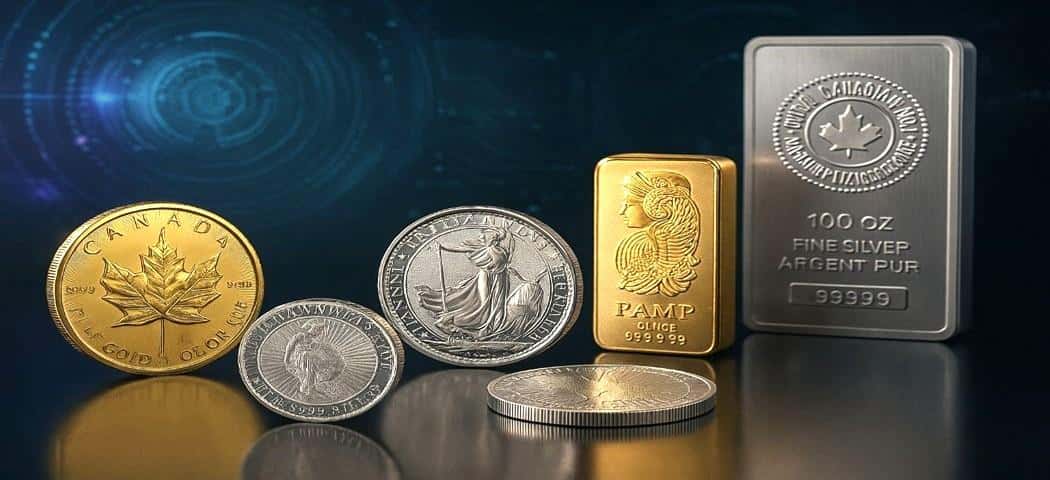
Safeguarding Trust in the Precious Metals Market
In today’s evolving bullion market, investors are more aware than ever of the importance of authenticity and verification. As global trade expands and both gold and silver prices rise, counterfeiters are developing increasingly sophisticated techniques. To stay ahead, the world’s leading mints have introduced advanced bullion security features — from laser micro-engraving to digital verification — making modern gold bullion and silver bullion more secure, traceable, and trusted than ever before.
Across the industry, institutions such as the U.S. Mint, Royal Canadian Mint, Perth Mint, PAMP Suisse, and The Royal Mint are driving this transformation. Their cutting-edge innovations give investors new confidence that their coins and bars are genuine, investment-grade, and protected by the latest mint technology.
The Counterfeit Challenge: A Growing Concern for Modern Investors
Counterfeit bullion has existed for centuries, but today’s replicas are far more convincing — particularly in online marketplaces. Even a subtle deviation in weight, luster, or edge detail can result in substantial financial losses for investors. Historically, buyers relied on physical bullion testing methods such as magnet tests, scale verification, and visual inspection. Now, as fake products become increasingly sophisticated, the global precious metals industry has evolved.
Today’s mints use multi-layered security systems combining microscopic design elements, precision serial numbering, and digital authentication to preserve confidence in the international bullion market and protect investors tracking the gold spot price or silver spot price in real time.
Advanced Anti-Counterfeit Technologies from Leading Mints
Modern bullion security features go far beyond simple mint marks. The world’s top mints layer overt, covert, and forensic elements to make investor verification faster while rendering high-quality counterfeits extraordinarily difficult.
Royal Canadian Mint (RCM)
-
Introduced on Maple Leaf bullion in 2014: (1) precision radial line backgrounds; (2) a micro-engraved laser mark (maple leaf privy) bearing the coin’s two-digit year; and (3) dealer-side Bullion DNA™ authentication that reads the encrypted micro-mark.
-
Together, these elements provide both visual and digital verification, now considered a benchmark for modern bullion coins.
The Royal Mint (UK) — Britannia
-
Since 2021, Britannia bullion coins incorporate four distinct security features, often cited as the world’s most secure bullion coin:
1. a latent image that shifts between a trident and a padlock when tilted;
2. surface animation (micro-engineered wave pattern) in the field;
3. encircling micro-text as a fine anti-copy border;
4. tincture lines engraved within Britannia’s shield to denote heraldic detail.
-
These layered features deliver immediate, in-hand validation without tools, plus robust resistance to optical duplication.
Perth Mint
-
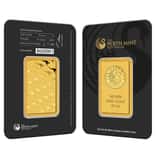
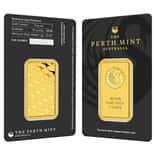
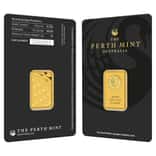
First introduced in 2016 on the 1 oz Silver Australian Kangaroo the Perth Mint added a micro-engraved letter — a minute character hidden within the coin’s inscription, visible only under magnification — as a covert anti-counterfeit safeguard.
-
This security feature has since been expanded across several Perth Mint bullion series, including the Kookaburra, Koala, and Lunar Series III coins, ensuring consistent protection and traceability throughout its product line.
-
The micro-engraved letter works in tandem with the mint’s high-definition engraving, precisely controlled die production, and hallmark “P” mint mark to create a multi-layered defense against counterfeiting.
-
These combined features reinforce the Perth Mint’s reputation for innovation, authenticity, and the highest standards of integrity in the global bullion market.
U.S. Mint
-
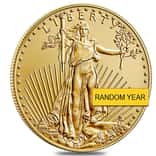
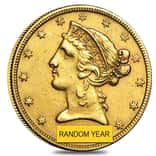
With the 2021 (Type 2) redesign of the American Gold Eagle and American Silver Eagle, the Mint introduced refreshed obverse details (restored design elements) and non-public micro-security enhancements, plus a reeded-edge variation (“missing reed” position) on Silver Eagles and the 1 oz Gold Eagle to disrupt edge-replication. The location of the missing reed varies with each release.
-
The Mint intentionally keeps some features undisclosed, adding a forensic layer known only to the issuer.
PAMP Suisse
-
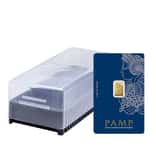
VERISCAN® technology maps each bar’s microscopic surface topography — a unique “metal fingerprint” formed during the minting process. Owners and dealers can re-scan bars to confirm their identity against the original reference image stored in PAMP Suisse’s secure database, making high-fidelity duplication virtually impossible even if visible graphics are copied.
-
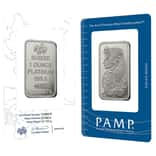
This authentication system is featured on products such as the 1 oz PAMP Suisse Gold Lady Fortuna Bar (.9999 Fine), one of the world’s most recognized and trusted bullion designs. VERISCAN® combines advanced imaging science with mobile accessibility, allowing investors to verify authenticity quickly using the official PAMP app or desktop interface — a defining benchmark in modern bullion security.
Bottom line: These mints combine micro-engineering, optically variable effects, encrypted micro-marks, edge variations, and proprietary databases. The result is a modern bullion ecosystem where overt cues help owners verify at a glance, covert markers aid trained examiners, and forensic data shuts the door on sophisticated counterfeits.
How Investors Can Verify Genuine Bullion
Even with advanced mint protections, investor diligence remains a vital part of safeguarding assets. Buyers should conduct basic authenticity checks before purchase or sale.
-
Magnet Test: Silver and gold are non-magnetic. If a coin or bar reacts to a magnet, it’s likely counterfeit or contains base metals.
-
Weight and Dimensions: Compare with official specifications. Authentic bullion has tight tolerances on both measurements.
-
Visual Inspection: Look for precise detailing, sharp engraving, and consistent finish quality — especially on edges and reliefs.
-
Certified Packaging: Authentic products from major mints often come sealed in tamper-evident or serialized assay cards.
-
Professional Grading Services: For higher-value or collectible pieces, certification by recognized authorities such as NGC or PCGS provides third-party verification and market assurance.
By understanding how to authenticate bullion, investors strengthen their confidence and protect their holdings from risk.
Gold vs. Silver: Unique Security Considerations
While gold and silver bullion share many similarities, each presents distinct challenges in anti-counterfeiting.
-
Gold bullion — due to its higher intrinsic value — attracts greater scrutiny and often features the most sophisticated security technologies. Mints like PAMP Suisse and the Royal Canadian Mint incorporate digital authentication systems and microscopic surface verification for gold bars and coins.
-
Silver bullion, being more affordable and traded in larger volumes, sees a greater prevalence of replicas. To counter this, mints emphasize physical verification features such as laser-etched details, serial numbering, and specialized finishes on silver bars and coins.
For investors, both metals benefit from these layered defenses, which reinforce confidence and liquidity in the physical market — whether tracking the gold spot price today or watching the silver price per ounce move in real time.
The Future of Secure Bullion: Technology Meets Transparency
The next evolution in bullion security is already underway. Mints and refiners are exploring blockchain integration, enabling end-to-end traceability from refinery to investor. Digital certificates and laser “fingerprinting” technologies are being tested to ensure that every bar or coin can be uniquely identified and authenticated without physical inspection.
These advancements reflect a broader trend across the precious metals sector: a merging of physical wealth with digital transparency. As investor expectations rise, the future of bullion will likely combine mint craftsmanship, data security, and global verification standards into one seamless ecosystem.
Protecting Value Through Innovation
The evolution of bullion security features underscores a central truth — trust is the foundation of every gold and silver investment. Through decades of innovation, mints like the Royal Canadian Mint, The Royal Mint, Perth Mint, U.S. Mint, and PAMP Suisse have proven that technology and tradition can work hand in hand to preserve the integrity of precious metals.
For today’s investors, understanding these advancements isn’t just about avoiding counterfeits — it’s about appreciating how innovation continues to safeguard the value, authenticity, and future of the global bullion market.