View Charts
Gold vs. Silver in 2025: What Will $50,000 Buy?
 0
0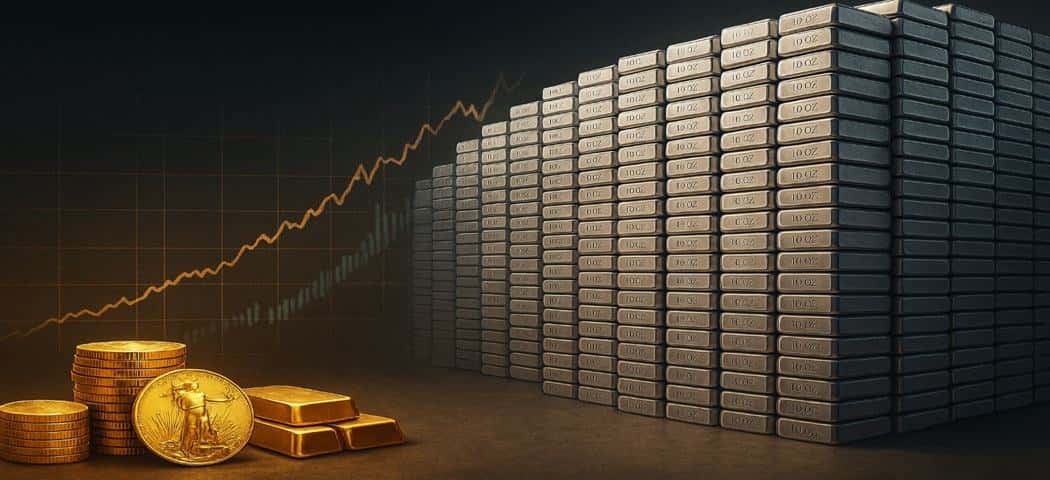
Two Metals, Two Stories
Gold and silver have been at the heart of human wealth for thousands of years. From ancient empires minting coins to modern investors diversifying portfolios, these metals are more than commodities — they are symbols of trust and security. In 2025, their roles continue to diverge in fascinating ways. With gold climbing to record highs around $3,840 per ounce and silver spot price near $47 per ounce, the same dollar investment buys vastly different amounts of each.
This contrast raises important questions: Should investors concentrate wealth in the compact form of gold, or spread their holdings into larger volumes of silver? How does the math scale when we move from $50,000 investments into tens of thousands of ounces? By examining these scenarios, investors can better understand not only the numbers, but also the strategic advantages each metal offers.
$50,000 in Gold vs. $50,000 in Silver
At first glance, $50,000 may not seem like much in the context of global wealth, but in precious metals it reveals just how differently gold and silver behave:
-
Gold ($3,840/oz):
$50,000 ÷ $3,840 ≈ 13 ounces of gold
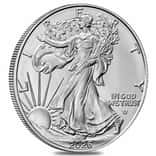
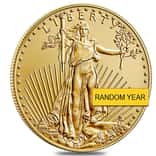
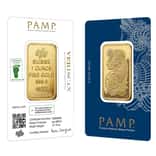
→ Equivalent to just over a dozen 1 oz coins, such as American Gold Eagles, Gold Buffalos, or Gold Britannias. This amount can fit easily into a small pouch or safe deposit box, representing substantial wealth in a highly portable form. -
Silver ($47/oz):
$50,000 ÷ $47 ≈ 1,064 ounces of silver
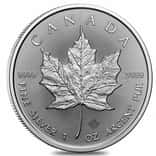
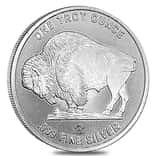
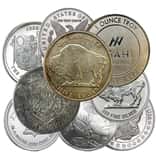
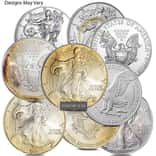
→ Roughly 106 ten-ounce silver bars or a mix of coins and bars filling a safe. Silver’s bulk makes it more visible and impressive, though it requires more storage planning.
This difference highlights the essence of each metal: gold is discreet and compact, while silver provides heft, visibility, and affordability.
Scaling Up: 10,000, 25,000 & 50,000 oz
When investments grow into the thousands of ounces, the value gap between gold and silver becomes staggering:
10,000 oz of each:
-
Gold: 10,000 × $3,840 = $38.4 million
-
Silver: 10,000 × $47 = $470,000
25,000 oz of each:
-
Gold: 25,000 × $3,840 = $96 million
-
Silver: 25,000 × $47 = $1.175 million
50,000 oz of each:
-
Gold: 50,000 × $3,840 = $192 million
-
Silver: 50,000 × $47 = $2.35 million
The lesson is clear: while gold’s value scales into tens or hundreds of millions, silver’s dollar value remains accessible — even in very large quantities. For institutional buyers, gold’s compact value is ideal. For individual investors, silver offers affordability and the excitement of owning larger, tangible volumes.
The Gold-to-Silver Ratio in 2025
The gold-to-silver ratio measures how many ounces of silver equal one ounce of gold. In late September 2025, the ratio sits at around 82:1, meaning it takes eighty-two ounces of silver to match the price of a single ounce of gold.
-
Historical Context:
Over the centuries, the ratio has often hovered between 15:1 and 40:1, with 16:1 even written into U.S. law during the 18th and 19th centuries (Coinage Act of 1834). In more modern times, the average has been closer to 50:1 to 60:1. When silver demand has surged or supply has tightened, the ratio narrowed sharply, rewarding silver holders. Conversely, during periods of financial stress, gold’s role as a safe haven pushed the ratio higher. -
Today’s Market:
At 82:1, silver appears undervalued relative to gold. Many investors see this as a potential “buy low” opportunity in the precious metals space, as the ratio could revert closer to historical norms over time. -
Strategic Use:
Some investors actively trade the ratio: accumulating silver when the ratio is high, and swapping portions into gold when the ratio contracts. Over decades, this strategy has allowed investors to grow their total metal holdings without adding extra capital.
Ultimately, the gold-to-silver ratio is more than just a number — it reflects the interplay of supply, demand, and investor psychology in real time, making it a valuable lens for analyzing both markets.
Storage and Portability: Compact vs. Heavyweight
One of the most practical differences between gold and silver is how much space they take up.
-
Gold: 13 oz of gold worth $50,000 can fit into a small pouch or even be held in your palm. Millions of dollars’ worth of gold can be stored in a shoebox-sized safe, making it the ultimate in compact, discreet wealth.
-
Silver: 1,064 oz of silver, about 106 ten-ounce bars, fills an entire shelf in a safe. At higher levels, such as 25,000 or 50,000 ounces, silver requires pallets, secure vaults, or professional storage.
For investors in urban areas or those who value discretion, gold may be preferable. For those who enjoy the tangible presence of wealth, silver delivers in sheer weight and volume.
Investment Strategies: Which Metal for You?
-
Gold: The Wealth Preserver
Ideal for investors seeking compact, transportable wealth. Gold has been the world’s safe haven for centuries, protecting against inflation, currency collapse, and financial instability. -
Silver: The Accessible Growth Metal
Silver is affordable, making it easier for new investors to start building wealth. It also has industrial demand in solar, electronics, and technology — adding another layer of potential upside. -
Balanced Approach
Many investors choose to hold both: gold for security and silver for growth. This diversification strategy provides stability while also positioning for future gains if silver closes the valuation gap relative to gold.
Two Paths, One Goal
At today’s spot prices, $50,000 in gold amounts to a handful of coins or bars, while $50,000 in silver translates into over 100 ten-ounce bars — enough to fill a safe. Scale that up to 10,000, 25,000, or even 50,000 ounces, and the disparity in dollar value becomes immense: gold leaps into the hundreds of millions, while silver remains in the low single-digit millions.
These comparisons underscore the unique roles each metal plays. Gold offers concentrated wealth, portability, and time-tested security. Silver provides volume, affordability, and exposure to industrial demand. Neither is inherently better — they are complementary. For investors, the true power lies in combining both metals: gold for stability and compact storage, silver for growth potential and tangible heft.
In the end, whether you’re stacking a dozen gold coins or filling a safe with silver bars, both metals deliver the same goal: preserving wealth in a form trusted across centuries, through every financial cycle.
FAQs
Is gold or silver a better investment in 2025?
Gold is preferred for wealth preservation and compact storage, while silver offers accessibility and potential growth. A balanced portfolio often includes both.
How much gold can I buy with $50,000?
At $3,840/oz, you can buy about 13 ounces of gold, equal to a handful of 1 oz coins.
How much silver can I buy with $50,000?
At $47/oz, you can buy around 1,064 ounces of silver, or roughly 106 ten-ounce bars.
What is the gold-to-silver ratio and why does it matter?
It measures how many ounces of silver equal one ounce of gold. At 82:1 in 2025, silver may be undervalued relative to gold.
Which metal is easier to store?
Gold is far more compact and portable, while silver requires much more space and heavier storage solutions.
Can silver outperform gold?
Yes. Historically, silver has shown greater percentage gains during bull markets, though it also tends to be more volatile.
Should beginners buy gold or silver first?
Beginners often start with silver due to its affordability, but gold provides stability. Many collectors and investors eventually hold both.
Another article that may interest you:
How to Test If Gold Is Real: At-Home & Professional Methods