View Charts
Gold and Silver for Preppers: Emergency Wealth Protection
 0
0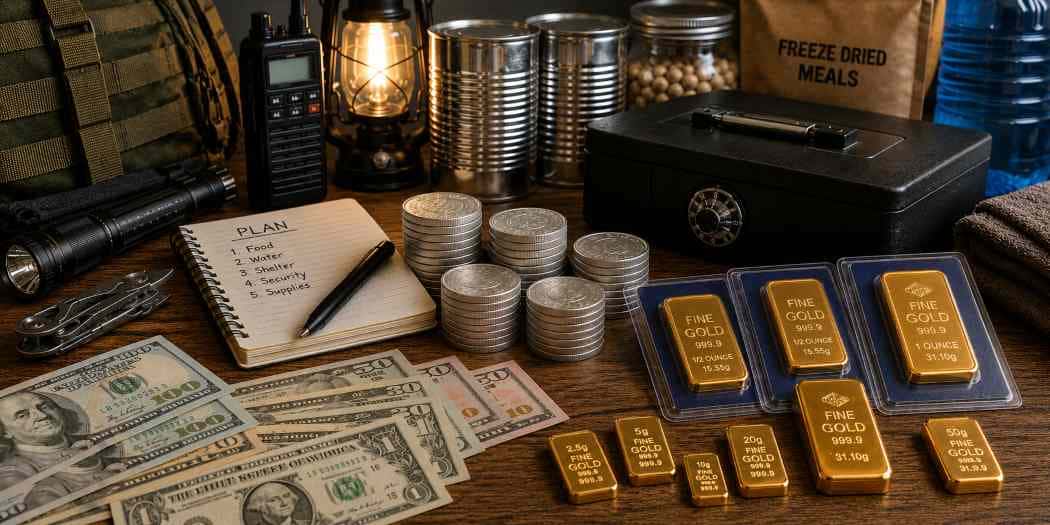
How Silver and Gold Fit Into Financial Preparedness
Preparedness is no longer limited to food storage, backup power, or emergency supplies. In an economy shaped by inflation concerns, banking-sector anxiety, market volatility, cyber risk, and rising interest-rate uncertainty, many people are also thinking about financial resilience. Precious metals have become part of that conversation because gold and silver offer something cash, cards, bank deposits, and digital payment systems cannot: tangible value that exists outside a single financial network.
For preppers, the appeal is practical. Gold and silver are portable, recognizable, divisible in the right formats, and historically trusted across cultures. They are not a substitute for essentials, and they should not be treated as a guaranteed solution for every emergency. However, when used thoughtfully, physical bullion can serve as a backup store of value during economic disruptions, banking delays, currency weakness, or periods when confidence in conventional systems declines.
Why Preparedness Buyers Think Beyond Cash Alone
Cash is useful in many emergencies, especially short-term power outages or payment-system interruptions. But cash also carries limitations. Inflation can erode purchasing power, large amounts can be difficult to store securely, and access to bank accounts may be disrupted by technical failures, withdrawal limits, or institutional stress. The Federal Reserve’s financial stability framework continues to monitor how shocks and vulnerabilities can affect households, businesses, banks, and markets, underscoring why resilience planning often extends beyond a checking account.
Precious metals serve a different purpose. They do not depend on a bank’s solvency, a payment processor, or an internet connection. Physical gold and silver can be held directly, stored privately, and transferred without relying on digital infrastructure. This does not mean metals are perfect for every transaction. Their strength lies in preserving value across uncertainty, especially when confidence in paper assets or electronic systems becomes less certain.
Silver’s Barter Advantage Comes From Divisibility
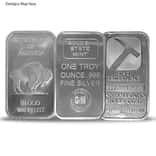
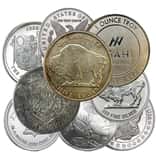
Silver is often the first metal discussed in emergency barter because it comes in smaller, more practical denominations than gold. One-ounce silver rounds, government-minted silver coins, fractional silver, and pre-1965 U.S. 90% silver coins can be easier to use for modest transactions than larger gold products. The lower price per ounce gives silver a day-to-day flexibility that gold usually cannot match.
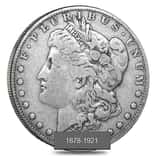
That divisibility is why so-called junk silver remains popular with preparedness-minded buyers. Pre-1965 dimes, quarters, and half dollars are familiar, durable, and widely recognized among bullion buyers. Their value is based mainly on silver content rather than collector rarity, which makes them simpler to understand than many numismatic coins. In a disruption scenario, recognizability matters. A common silver coin may be easier to explain than an obscure privately minted piece, especially when speed and trust are important.
Gold’s Role Is Wealth Density, Not Small Trade
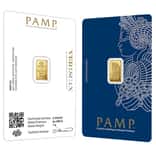
Gold works differently in preparedness planning. It is far more value-dense than silver, meaning a significant amount of wealth can be stored in a very small space. That makes gold useful for long-term wealth preservation, emergency portability, and larger-value transactions. A few fractional gold bars or coins can represent meaningful value without requiring the storage space that an equivalent dollar amount of silver would demand.
However, gold is less convenient for small barter situations. A one-ounce gold coin may be too valuable for ordinary emergency exchange, and even fractional gold can be difficult to use if counterparties cannot verify authenticity or agree on pricing. This is why many preppers view gold and silver as complementary rather than interchangeable. Silver may offer practical flexibility. Gold may offer compact wealth protection. Together, they can create a more balanced preparedness strategy.
Bullion Products Are Different From Collectible Coins
Preparedness buyers should clearly distinguish bullion from numismatics. Bullion coins, bars, and rounds are valued primarily for their metal content, weight, purity, and market recognition. Numismatic coins may carry additional value based on rarity, grade, mintage, historical importance, or collector demand. That added value can be appealing for collectors, but it may be less useful in an emergency barter setting.
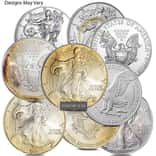
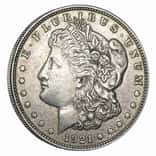
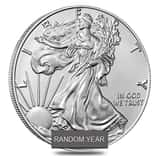
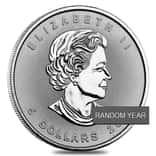
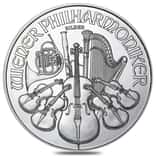
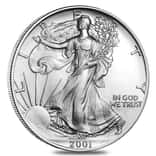
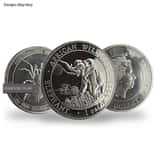
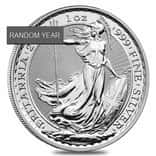
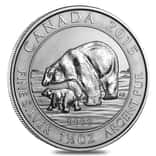
For preparedness purposes, simplicity is often an advantage. Widely recognized bullion products are easier to value, compare, and resell. American Silver Eagles, Canadian Silver Maple Leafs, common silver rounds, pre-1965 U.S. 90% silver coins, fractional gold bars, and well-known gold bullion coins may be more practical than rare coins with complex premiums. In a disruption, the market may value recognizable metal content more than specialized collectible appeal. Collectible coins can still have a place, but they should not be confused with straightforward barter-oriented bullion.
Spot Price, Premiums, and Product Choice Matter
Anyone buying metals for preparedness should understand the difference between spot price and retail price. The spot price reflects the wholesale market value of gold or silver, while physical products usually sell at a premium. Premiums cover minting, refining, distribution, dealer costs, product demand, and market conditions. During periods of stress, premiums on small silver products can rise sharply even when the spot price is not moving as dramatically.
This is especially important for silver. The Silver Institute expects the global silver market to remain in deficit for a sixth consecutive year in 2026, reflecting ongoing pressure from industrial demand and investment buying. Tightness in the broader silver market can contribute to higher premiums, especially when retail buyers move quickly into coins and bars. For preppers, the lesson is to compare premiums before buying and avoid assuming that every silver product offers the same value.
Economic Disruptions Reward Liquidity and Recognition
The best precious metals for emergency planning tend to be liquid, recognizable, and easy to verify. Liquidity means a product can be sold or exchanged with relative ease. Recognition means dealers, buyers, and other holders are familiar with the product. Verification means weight, purity, and authenticity can be checked without unnecessary complexity.
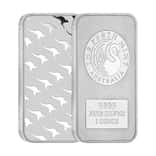
This is why popular bullion formats often outperform obscure products in practical planning. A widely traded silver coin or gold bar from a known mint or refiner usually carries more confidence than an unfamiliar item. Packaging can also matter. Assay cards on small gold bars help verify weight and purity, while sealed monster boxes or tubes can support confidence in silver coins. Still, preparedness buyers should avoid becoming overly dependent on packaging alone. Understanding basic product specifications is part of responsible ownership.
Storage Planning Is Part of the Strategy
Owning physical metals requires a storage plan. Silver takes more space than gold, which can become a meaningful consideration as holdings grow. A modest amount of silver for barter may be easy to store, but larger silver positions can become bulky. Gold solves the space problem but introduces higher value concentration, making secure storage even more important.
Common storage options include home safes, hidden storage, bank safe deposit boxes, private vaults, and insured depositories. Each choice has tradeoffs. Home storage offers access but requires security discipline. Bank boxes provide separation from the home but may not be accessible during every disruption. Professional vaulting offers insurance and security but reduces immediate access. Preparedness-minded investors often think in layers: some metal accessible for emergency flexibility, and some stored more securely for long-term wealth preservation.
Crypto, Digital Payments, and Metals Serve Different Needs
Cryptocurrency is often discussed alongside precious metals because both appeal to people seeking alternatives to traditional finance. Bitcoin offers digital portability and a fixed supply schedule, while stablecoins and digital payment systems can move quickly across networks. But digital assets still require technology, custody decisions, internet access, private-key security, and market liquidity. During certain disruptions, those requirements may be strengths or weaknesses depending on the situation.
Physical metals fill a different role. They are not programmable, instantly transferable across the internet, or ideal for online commerce. Instead, they offer direct ownership and tangible value. A balanced preparedness plan may include cash, banking access, digital tools, and precious metals, with each serving a different purpose. The key is not to treat any one asset as a complete solution.
The Best Mix Depends on the Emergency You Are Planning For
There is no universal answer to how much gold or silver a prepper should own. The right mix depends on budget, storage capacity, risk tolerance, household size, location, time horizon, and the type of disruption being considered. A short-term payment outage calls for different tools than a long inflationary period. A banking delay differs from a currency crisis. A job-loss emergency differs from a regional natural disaster.
For many preparedness buyers, silver makes sense for divisibility and smaller exchanges, while gold makes sense for compact wealth preservation. Cash remains useful for immediate needs. Food, water, medicine, fuel, and communication tools are essential before metals ever enter the picture. Precious metals are most effective when they are part of a broader plan, not the entire plan.
Building Resilience With Practical Precious Metals
The strongest preparedness strategy is realistic, layered, and grounded in how people actually use money during uncertainty. Precious metals can help protect purchasing power, diversify away from financial-system dependence, and provide a tangible reserve when confidence weakens. Silver offers flexibility. Gold offers value density. Recognized bullion offers liquidity. Smaller denominations improve usability.
For buyers focused on economic disruptions, the goal should not be fear-driven accumulation. It should be thoughtful ownership. Products should be easy to understand, easy to store, and easy to sell or exchange when needed. In a world where inflation, banking concerns, cyber risks, and market shocks remain part of the financial landscape, physical gold and silver continue to offer a practical form of resilience that has endured across generations.
Related reading you may find interesting:
Gold’s Midterm Election Years: What History Says About 2026
Comparing Bullion Bars vs Coins: Which Fits Your Goals?