View Charts
ECB-Fed Divergence Shakes Gold and Silver Markets
 0
0
The divergence in monetary policies between the European Central Bank (ECB) and the Federal Reserve is poised to introduce complexities into gold price forecasting, while heightened solar industry demand is propelling silver premiums in China to unprecedented levels. These insights come from the latest precious metals report by strategists at Heraeus, who provide a nuanced analysis of current market conditions and future trends.
Gold's Position Amid ECB-Fed Policy Variance
In their analysis, Heraeus strategists noted that despite a recent downturn, gold prices have maintained a robust position above $2,300 per ounce. They attribute this resilience to several economic indicators, notably Friday’s US Personal Consumption Expenditures (PCE) price index. With a reported increase of 2.7%, the index suggests that the Fed’s first rate cut may not occur as soon as anticipated, particularly when compared to other major economies such as those in the Eurozone.
Heraeus anticipates that the ECB could potentially lower its rates ahead of the Fed, which could benefit European bullion investors significantly. With April’s inflation in the Eurozone reported at a relatively moderate 2.4%, conditions seem conducive for the ECB to implement monetary easing sooner rather than later. Financial markets have already begun to adjust, pricing in a potential ECB rate cut at its upcoming meeting on June 6. If this occurs, the resulting interest rate differential between the US and EU could weaken the euro, especially if the Fed opts to delay its rate cuts.
This divergence in central bank policies could lead to a complex scenario for gold prices. On one hand, a stronger dollar may diminish the purchasing power of foreign investors, reducing their ability to buy gold.
On the other hand, a lower-rate environment in Europe could enhance gold’s appeal as a non-yielding asset, particularly as a hedge against inflation and currency devaluation. Additionally, a weaker euro might increase gold’s relative value in euro terms compared to the dollar, offering potentially greater gains for investors in the Eurozone.
Silver Market Dynamics: Solar Demand and Diverging Mint Sales
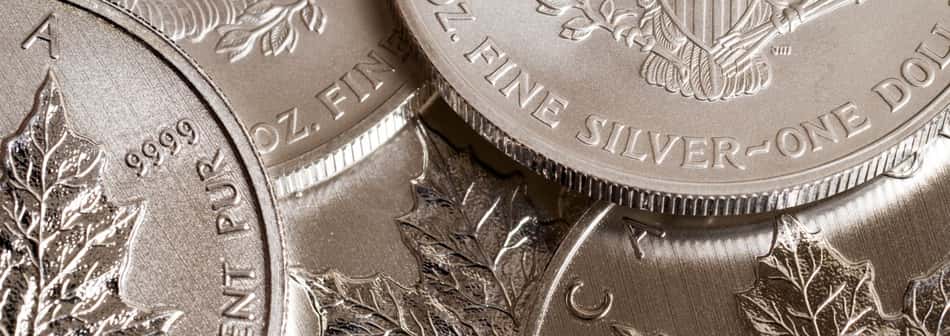
The report also delves into the silver market, where analysts have observed significant divergence, particularly in the coin market between the US Mint and the Perth Mint in Australia. The US Mint has reported robust sales, with year-to-date figures showing a substantial increase to 10.8 million ounces.
In contrast, sales at the Perth Mint have plummeted by 49% year-on-year, with only 3.21 million ounces sold in the first four months of 2024. The strategists suggest that recent changes to German VAT laws might be continuing to suppress demand for foreign bullion coins, especially impacting the German market’s appetite for Perth Mint products.
Despite some volatility and last week’s downturn, silver prices have managed to stay well above $30 per ounce. This stability is largely due to strong demand from the solar PV sector, which is on track to exceed last year’s record production levels.
This robust demand is set to sustain high silver import demand into China, as evidenced by the record-high premium in China’s silver market in April, when the monthly spread between Shanghai and London’s silver spot price reached a historic high of $3.69/oz.
Looking Ahead: Market Projections and Strategic Implications
As we look forward, the divergence between central bank policies and the dynamic demand factors in the silver market present both risks and opportunities for investors. These factors are likely to influence precious metal markets significantly, necessitating a strategic approach to investment in gold and silver.
Investors and market watchers will need to stay vigilant, monitoring global economic indicators and central bank decisions closely. The evolving landscape requires a flexible investment strategy that can adapt to sudden shifts in market dynamics, whether they arise from changes in monetary policy, fluctuations in industrial demand, or geopolitical developments that impact global markets.
In conclusion, the insights from Heraeus offer a valuable perspective for understanding the complex interplay of factors shaping the gold and silver markets today. As the global economic environment continues to evolve, the precious metals market remains a critical area for investor attention, offering both significant challenges and promising opportunities.