View Charts
China's Retail Paper Gold Exit: What It Means for Physical Gold Investors
 0
0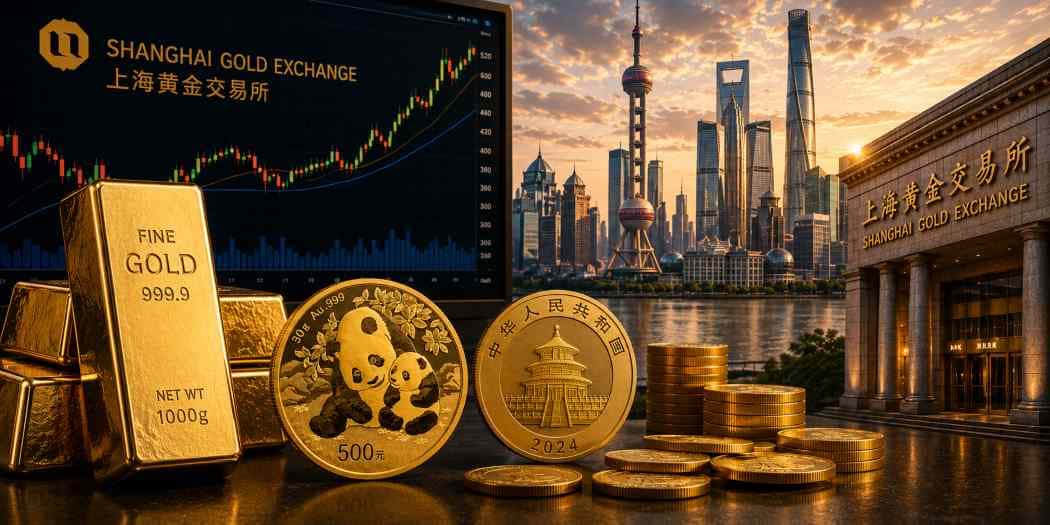
China's Gold Market Just Changed—But Not in the Way Many Headlines Suggest
China's largest state-owned banks have officially ended retail access to several precious metals trading products linked to the Shanghai Gold Exchange (SGE), marking one of the country's most significant retail gold market reforms in years. Effective after the close of trading on July 24, the change affects agency services for a range of leveraged gold and silver contracts that individual investors previously accessed through commercial banks.
The announcement quickly generated headlines claiming China had "banned paper gold," fueling speculation that millions of investors would rush into physical bullion and reshape the global gold market overnight. Those claims, however, oversimplify what has actually occurred.
China has not prohibited gold ownership, nor has it shut down the Shanghai Gold Exchange or institutional precious metals trading. Instead, regulators have narrowed one avenue through which retail investors could speculate on precious metals using leveraged financial products.
That distinction matters because China's role in the global gold market extends far beyond retail trading. As the world's largest gold producer, one of its largest consumers, and a major source of central bank demand, policy changes affecting Chinese investors deserve careful attention. The more important question is not whether paper gold has disappeared, but whether fewer speculative products will gradually encourage greater interest in physical bullion.
What Products Are Actually Being Eliminated?
The policy does not eliminate all paper gold investments. Instead, major banks—including Industrial and Commercial Bank of China (ICBC)—have discontinued agency services that allowed retail clients to trade specific Shanghai Gold Exchange contracts such as Au(T+D), Ag(T+D), Au(T+N1), Au(T+N2), and related deferred settlement products.
These contracts differ significantly from simply owning gold. Rather than purchasing physical bullion outright, investors traded contracts whose value tracked precious metals prices while allowing leverage, deferred settlement, and short-term speculation. For years, they offered retail traders an accessible way to participate in gold and silver markets without taking delivery of metal.
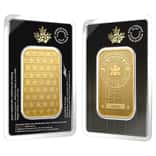
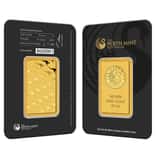
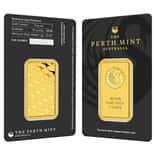
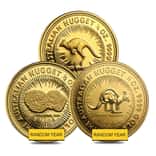
Physical bullion products remain widely available. Investors can still purchase gold bars, bullion coins, jewelry, allocated precious metals, and numerous investment products through banks, dealers, and other authorized channels. Institutional participants also continue trading through the Shanghai Gold Exchange.
The reform therefore appears less like a retreat from precious metals investing and more like another step in China's broader effort to reduce retail participation in highly leveraged financial products. Similar measures have targeted speculative activity in property, shadow banking, and certain derivatives markets over the past decade as regulators have sought to improve financial stability.
Why Beijing Is Tightening Retail Precious Metals Trading
Although regulators have not framed the decision as an attempt to influence gold prices, the timing reflects several broader policy priorities that have become increasingly visible across China's financial system.
One objective is reducing speculative risk. Leveraged precious metals contracts can produce outsized gains during periods of market volatility, but they can also generate rapid losses for inexperienced investors. With gold trading near historic highs globally, authorities may see elevated speculation as an unnecessary source of financial risk.
The move also reduces exposure for commercial banks. Acting as intermediaries for retail derivatives creates operational, compliance, and market risks that regulators have gradually encouraged banks to limit. By exiting these agency services, banks simplify their product offerings while reducing balance-sheet complexity.
Finally, the decision aligns with China's long-term emphasis on directing household savings toward more stable forms of wealth preservation rather than short-term financial speculation. Whether that ultimately results in greater physical bullion ownership remains an open question—but it is one investors around the world will be watching closely.
Could Retail Investors Shift Toward Physical Gold?
Whether this policy ultimately boosts physical gold demand is the question attracting the most attention—and the honest answer is that it's too early to know.
On one hand, investors who previously used deferred settlement contracts to speculate on short-term price movements are not necessarily the same people who purchase and hold bullion. Some may simply leave the market or seek alternative investment products such as ETFs, wealth-management products, or equities. Others could migrate to futures markets through qualified institutions where access remains available.
Yet history suggests that when governments narrow speculative investment options, at least some capital tends to migrate toward simpler assets. Physical gold has long occupied a unique place in Chinese culture as both a store of wealth and a traditional form of savings. Gold jewelry, investment bars, and commemorative coins remain deeply embedded in household investing, particularly during periods of economic uncertainty.
If even a modest percentage of former paper gold traders choose to accumulate physical bullion instead, demand could gradually strengthen over time. That wouldn't create an immediate supply shock, but it would reinforce an already supportive backdrop that includes robust central bank purchases and resilient global investment demand.
The key point is that any shift is likely to unfold gradually rather than overnight. Retail investment habits rarely change in a single trading session, especially in a market as large and diverse as China's.
Will This Change Global Gold Price Discovery?
Some market commentators have suggested that reducing retail paper gold trading could weaken the influence of financial derivatives on gold prices and place greater emphasis on physical supply and demand. While the theory is intriguing, there is little evidence that this policy alone will materially alter global price discovery.
International gold prices are influenced by a broad network of exchanges and financial institutions. Futures trading on COMEX, activity in the London bullion market, central bank purchases, exchange-traded funds, currency movements, interest rates, and geopolitical developments all contribute to determining gold's global price. China's domestic retail market represents only one piece of that much larger ecosystem.
That said, China's importance should not be underestimated. The country consistently ranks among the world's largest producers and consumers of gold, and its official sector has been an active buyer in recent years. Changes that encourage additional physical ownership could eventually contribute to stronger underlying demand, even if they don't fundamentally reshape how gold is priced.
Rather than viewing the policy as a turning point for global markets, investors may be better served by seeing it as another sign of China's preference for long-term financial stability over speculative trading.
A Measured Shift With Long-Term Implications
China's decision to end retail access to certain leveraged precious metals products is significant, but not because it signals the end of paper gold. Instead, it reflects an evolving regulatory approach that favors reducing financial speculation while leaving traditional gold ownership untouched.
For bullion investors, the development reinforces an important distinction between financial exposure to gold and ownership of physical metal. As speculative products become less accessible, physical gold bullion may become a relatively more attractive option for investors seeking long-term wealth preservation, although the pace of any transition remains uncertain.
The coming months will reveal whether retail buying patterns begin to shift, but one conclusion is already clear: reports suggesting China has "banned paper gold" overstate what has actually happened. The real story is more nuanced—and ultimately more interesting. It highlights how policy changes in one of the world's largest gold markets can gradually influence investor behavior, even if they don't immediately transform the global precious metals landscape.