View Charts
Are Unopened U.S. Mint Boxes Worth More to Collectors?
 0
0
Why a Sealed Mint Package Can Matter
An unopened U.S. Mint shipping box can seem more desirable than an opened one. The contents have presumably remained untouched since fulfillment, the original shipping information may help establish when the package left the Mint, and breaking the factory seal removes something that cannot later be recreated: evidence that the parcel remained unopened. For collectors accustomed to placing value on originality, that can make a sealed shipment particularly appealing.
However, an unopened box does not automatically make the coin inside more valuable. A shipping carton is different from original government packaging, and neither guarantees a high-grade coin. The significance of an intact Mint box depends on the particular product, collector demand, release timing, and sometimes the submission rules established by third-party grading services. For certain modern issues, keeping the carton sealed can preserve eligibility for a special designation or pedigree; for many others, it is simply the container that carried the collectible to its original buyer.
Original Government Packaging Is Different From the Shipping Box
Collectors sometimes use the term original packaging broadly, but there are two distinct layers. Original government packaging, commonly called OGP, includes presentation materials supplied with a collectible, such as capsules, cases, folders, sleeves, and Certificates of Authenticity.
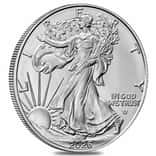
The shipping box serves a different purpose. It is the outer parcel used to deliver the order and may contain the coin or set, its presentation materials, packing material, and related documents. A Proof American Silver Eagle can therefore remain complete with its original case and certificate even if the shipping carton was opened years earlier. Collectors can see this distinction among Proof Silver American Eagles, where original presentation materials may accompany the collectible without an unopened mailing carton.
This distinction becomes important when discussing value because OGP and sealed shipping boxes appeal to buyers for different reasons. Complete original presentation materials may enhance the desirability of a collectible in their own right. The outer carton is more likely to matter when leaving it sealed preserves information or eligibility that becomes difficult to establish once the package has been opened.
Why Grading Rules Can Make an Unopened Box Important
Third-party grading is one of the strongest reasons to check before opening a recent U.S. Mint delivery. PCGS's First Strike program, for example, generally applies to eligible coins submitted within a defined period following their release. PCGS also provides procedures for coins received in original unopened Mint shipping boxes when the shipment information demonstrates that the coins meet the applicable requirements.
The key point is that the box can preserve evidence, not quality. An intact carton cannot reveal whether the coin inside deserves a top numerical grade. Instead, its shipment information may help establish eligibility for a particular designation. First Strike also should not be interpreted as proof that an individual coin was literally among the first pieces produced by the Mint; the designation is tied to the grading service's eligibility requirements.
NGC uses its own procedures. Under NGC's Early Releases and First Releases guidance, eligibility generally depends on meeting the applicable submission requirements and deadline rather than simply possessing a sealed Mint box. Product-specific exceptions can apply, however, particularly when NGC must verify that a coin originated from a particular set or release.
For collectors, that variation is more important than memorizing any single rule. Requirements can differ by grading service, coin, set, designation, and release, and they can change over time. Anyone considering professional certification should therefore check the current PCGS or NGC instructions for the exact product before cutting the Mint's factory seal. A rule that applied to one release should not automatically be assumed to apply to another.
A Sealed Box Still Leaves the Coin's Condition Unknown
Keeping a Mint shipment sealed preserves its unopened status, but it creates a significant trade-off: the collector cannot inspect what is inside. Modern Mint products can contain exceptional coins, yet factory packaging does not eliminate contact marks, spotting, haze, capsule problems, or other characteristics that can influence appearance and eventual grade. An untouched shipping box therefore offers no guarantee that a high-grade coin is waiting inside.
Opening the parcel allows the owner to verify the contents, examine the coin, and decide whether professional grading makes financial sense. Leaving it sealed can preserve a submission option or provenance advantage, but the owner gives up the ability to evaluate the individual piece. This is why sealed packaging should not be confused with certification. A grading service evaluates the actual coin after examination; the shipping carton may document part of its distribution history, but it cannot certify the condition of the object hidden inside.
The same uncertainty helps explain why unopened boxes do not all command comparable premiums. A highly anticipated limited release with an active market for special grading labels may attract buyers specifically looking for untouched shipments. An ordinary Mint product whose relevant grading deadlines have expired may receive little additional attention merely because someone never opened the cardboard carton.
When Can an Unopened Mint Box Be Worth More?
Instead of assuming that sealed means valuable, collectors can ask a more useful question: what does the intact seal still accomplish? If the unopened package preserves eligibility for a desirable designation, verifies origin from a particular set, or provides meaningful provenance, another buyer may have a practical reason to pay more for it. Collector preference can add another layer because some buyers enjoy acquiring modern Mint products in untouched original fulfillment condition.
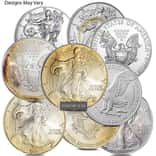
The underlying collectible nevertheless remains the foundation of value. Mintage, surviving population, condition, variety, precious-metal content, and collector demand can matter considerably more than the outer packaging. Within a market such as American Silver Eagles, buyers encounter bullion coins, proofs, certified examples, special labels, and coins retaining original Mint presentation materials. A sealed shipping carton represents only one possible attribute within that broader market.
Its value can therefore vary substantially from buyer to buyer. Someone pursuing a particular grading pedigree may consider an intact seal important, while a bullion buyer interested primarily in silver content may have little reason to pay extra for it. Even among collectors, the premium should have an identifiable basis—preserved eligibility, useful provenance, scarcity of unopened examples, or strong demand for untouched packages—rather than simply the assumption that unopened always means better.
Before You Open a U.S. Mint Delivery
For a newly arrived U.S. Mint package, the practical decision is whether opening it would eliminate an option you might want later. Before breaking the seal on a recent or limited release, collectors considering certification should check the current PCGS and NGC requirements, paying particular attention to submission deadlines and any instructions specifically tied to unopened Mint packaging. If no grading or pedigree advantage applies, opening the outer carton does not prevent the owner from retaining the coin's capsule, presentation case, certificate, and other original government packaging.
Purchase documentation and photographs of the unopened parcel can also be retained as part of a collector's records, although they should not be assumed to substitute for a grading service's formal requirements. Once the shipping box has served its practical purpose, the decision becomes largely one of collecting preference. Some owners enjoy preserving every component associated with a Mint purchase, while others would rather inspect and display the collectible itself.
Ultimately, an unopened U.S. Mint box is best understood as a piece of evidence rather than a hidden guarantee of value. The seal can sometimes preserve grading eligibility, provenance, or a marketable option, but it cannot reveal condition, establish rarity, or make an ordinary coin scarce. Before opening the package, determine what the intact seal still proves and whether that benefit is relevant to the way you plan to collect, grade, or eventually sell the coin.