
 View Charts
Silver spot price today
At 11:46 AM ET on June 2, 2026, Silver is trading at a live spot price of $76.26 per ounce, $2.45 per gram, and $2,451.82 per kilogram in U.S. dollars (USD).
Follow the live silver spot price today with real-time updates, dynamic charting, and essential market context. The silver spot price represents the current global value of one troy ounce of silver for immediate settlement and serves as the benchmark for pricing silver bars, silver coins, and bullion products worldwide.
Unlike many assets that trade during limited market hours, silver trades nearly around the clock across global exchanges. As activity moves between Asia, Europe, and North America, the silver spot price adjusts continuously in response to changing supply, demand, and macroeconomic conditions.

Sign up for spot price alerts
Free! Sign up for email and/or SMS Spot Price Alerts
Silver Market Today — Price Trends & Analysis
Updated June 2, 2026 | 9:10 AM ET
Silver is trading higher this morning, with the spot price at $76.51 per ounce, up 0.43% from the previous morning. The metal is benefiting from the broader precious metals rebound, while its industrial demand profile continues to provide a stronger structural floor than gold alone. Solar energy, grid expansion, AI-related electrical infrastructure, and electronics demand remain key long-term supports. Today’s softer dollar is also helping silver by making dollar-priced commodities more attractive to international buyers.
Key Driver: Silver is gaining on macro support and persistent industrial demand tied to energy and technology infrastructure.
What Is the Silver Spot Price Today?
The silver spot price is the globally recognized reference price for silver bullion. It reflects the most recent traded value in wholesale markets and is used by refiners, mints, institutional traders, and bullion dealers as the foundation for pricing physical silver products.
Major markets contributing to global silver price discovery include COMEX futures trading in New York, the London Bullion Market Association (LBMA), and the Shanghai silver market, alongside over-the-counter trading networks. While silver prices may be quoted in multiple currencies worldwide, the underlying silver spot price benchmark remains broadly standardized across international markets.
When purchasing physical silver, buyers typically pay the spot price plus a premium. When selling, transactions are based on the prevailing bid relative to spot.
What Determines the Silver Spot Price?
Silver pricing is influenced by a broader range of factors than many other metals due to its dual role as both an industrial commodity and a precious metal.
Investment demand—through bullion purchases and silver-backed ETFs—can drive price surges during periods of financial uncertainty. At the same time, industrial consumption from sectors such as solar energy, electronics, and medical technology plays a meaningful role in long-term demand.
Currency strength, particularly movements in the U.S. dollar, often affects silver pricing. Additionally, interest rate expectations and inflation trends influence investor appetite for hard assets. Futures market positioning can also create short-term volatility, especially when speculative activity accelerates.
What Is the Difference Between Silver Spot Price and Silver Futures?
The spot price represents the value of silver for immediate delivery, while futures contracts reflect agreed-upon prices for delivery at a later date. Differences between the two may arise from financing costs, storage considerations, and expectations about future supply and demand.
Monitoring the relationship between spot and futures prices provides insight into broader market sentiment and positioning.
What Are Silver Bid and Ask Prices in the Spot Market?
In the silver market, two primary prices are quoted:
-
Bid Price — the highest price a buyer is prepared to pay
-
Ask Price — the lowest price a seller is willing to accept
The spread between these prices reflects market liquidity and trading conditions. Physical silver products trade above the raw silver spot price due to minting costs, fabrication, transportation, and dealer operations.
Understanding how premiums relate to the live silver price helps investors evaluate total purchase costs and resale considerations.
Why Does the Silver Spot Price Change Every Day?
The silver spot price can fluctuate rapidly in response to:
-
Federal Reserve policy and interest rate expectations
-
Inflation data and economic growth forecasts
-
Industrial production trends
-
Currency market movement
-
Global risk sentiment
-
Commodity sector momentum
Because silver participates in both industrial and monetary markets, its price behavior can sometimes diverge from gold. Comparing the silver spot price with the gold spot price may reveal broader precious metals trends.
Why Is Silver More Volatile Than Gold?
Silver is generally considered more volatile than gold because it functions as both a precious metal and an industrial commodity. While gold demand is driven primarily by investment and central bank activity, silver prices are heavily influenced by industrial sectors such as solar energy, electronics, medical technology, and manufacturing. This dual-demand structure can create larger price swings during periods of economic expansion or slowdown.
Silver markets are also smaller and less liquid than gold markets, meaning large trades and speculative activity can have a greater impact on price movement. As a result, silver often experiences sharper rallies and deeper pullbacks than gold during periods of market volatility. Many investors monitor the gold-to-silver ratio to evaluate relative pricing trends between the two metals.
What Does Silver Price History Reveal About Long-Term Trends?
Silver has historically experienced periods of significant volatility, often amplifying moves seen in gold. During strong economic expansion, industrial demand can support rising silver prices. Conversely, during financial stress, silver may benefit from safe-haven inflows.
Reviewing long-term silver price charts provides perspective on cyclical movements and macroeconomic influences that shape the metal’s performance over time.
How Does the Silver Spot Price Compare to Gold and Other Metals?
Silver is part of a broader precious metals market that includes gold, platinum, and palladium. Monitoring relative price movement across metals can offer insight into both industrial demand trends and investor sentiment.
You can also track:
Cross-market comparisons can help investors identify diversification opportunities and relative value within the metals sector.
How Can You Set Live Silver Price Alerts?
Bullion Exchanges offers tools to help you stay connected to the silver market:
-
Silver Price Alerts — Set custom target prices and receive notifications when silver reaches your chosen level.
-
Market Movement Alerts — Track percentage or dollar-based changes in real time.
-
Bullion Exchanges App — Access live silver pricing, charting tools, and alerts from your mobile device.
With alerts delivered via email, SMS, or push notification, you can respond promptly to price shifts whether you are buying, selling, or monitoring the market.
How Do You Buy and Sell Silver at Live Spot Prices?
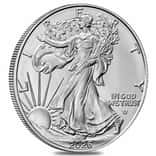
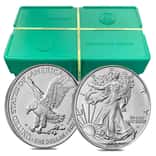
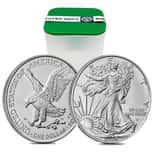
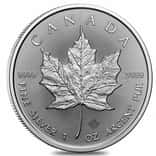
Bullion Exchanges provides transparent pricing aligned directly with the live silver spot price. Explore our selection of silver bars, silver coins, and investment-grade bullion products — such as American Silver Eagles, Canadian Silver Maples, and PAMP silver bars — all priced in accordance with real-time market conditions.
In addition to buying silver, Bullion Exchanges also offers a convenient and transparent Sell to Us program for customers looking to liquidate precious metals online. Our hassle-free process allows sellers to securely lock in competitive market-based pricing, submit products through a streamlined online system, and complete transactions with clear communication throughout the process.
Whether accumulating physical silver for long-term holding or responding to short-term price movement, tracking the current silver price ensures informed decision-making grounded in up-to-date market data.