
 View Charts
The Penny Vault
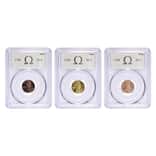
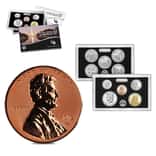
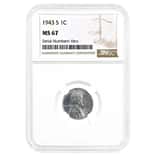
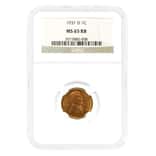
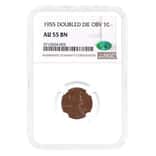
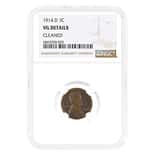
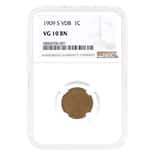
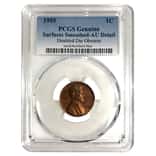
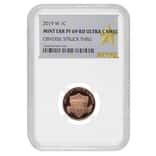
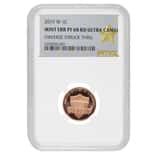
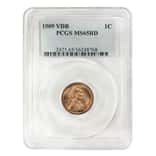
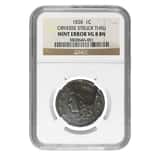
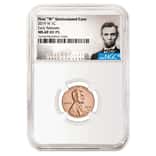
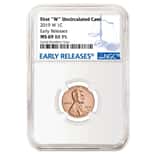
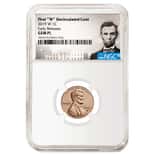
The Penny Vault: U.S. Cents from 1793 to Present
Welcome to The Penny Vault, your ultimate resource for exploring the rich history of United States one-cent coins, spanning more than two centuries. Whether you're a seasoned numismatist or new to coin collecting, this guide covers every era of small U.S. change - from the colonial-style Large Cents to today’s Lincoln Shield Pennies. Each coin holds a unique place in American history, offering insight into the country’s economy, artistry, and political identity.
Half Cents (1793–1857)
America’s smallest denomination by face value, the Half Cent was minted from 1793 to 1857. These large copper coins were used heavily in the early economy when a single cent held significant purchasing power. While often overshadowed by later issues, Half Cents are prized for their early American minting artistry and historical rarity.
Large Cents (1793–1857)
Preceding the modern penny, Large Cents were hefty, pure copper coins about the size of today’s half dollars. These coins featured several iconic designs, including the Liberty Cap, Draped Bust, and Braided Hair types. Though they circulated widely in the 19th century, their large size made them impractical, and they were eventually replaced by smaller cents in 1857.
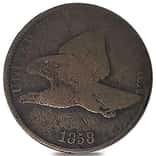
Flying Eagle Cents (1856–1858)
The Flying Eagle Cent marked the transition to a smaller one-cent coin. Struck in copper-nickel, it was the first small cent produced by the U.S. Mint. The short lifespan (just two years for general circulation) and limited mintage make Flying Eagle Cents highly collectible—especially the pattern-only 1856 issue, considered a numismatic classic.
Indian Head Pennies (1859–1909)
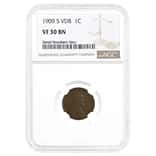
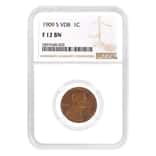
The Indian Head Cent is a favorite among collectors, thanks to its elegant design and long production run. Contrary to its name, the obverse shows Lady Liberty wearing a Native American headdress, symbolizing unity. These coins were struck in both copper-nickel and bronze over time. With key dates like 1877 and 1909-S, the series is full of challenging finds.
Lincoln Wheat Pennies (1909–1958)
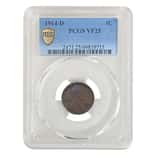
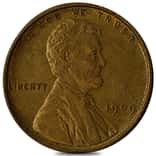
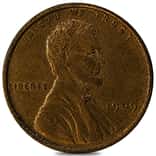
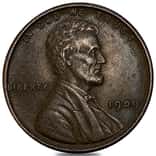
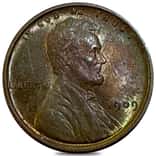
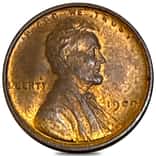
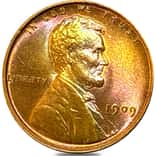
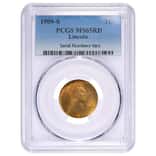
Launched in 1909 for the centennial of Abraham Lincoln’s birth, this was the first circulating U.S. coin to depict a real person. Designed by Victor David Brenner, the Wheat Cent features two wheat stalks on the reverse and is known for its affordability, historical variety, and accessibility to new collectors.
Lincoln Memorial Pennies (1959–2008)
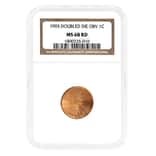
In 1959, the Wheat reverse was replaced by the Lincoln Memorial to commemorate Lincoln’s 150th birthday. Designed by Frank Gasparro, this reverse remained unchanged for nearly 50 years and witnessed several changes in metal composition, most notably the switch from copper to copper-plated zinc in 1982. Keep an eye out for small-date vs. large-date varieties and key modern errors.
2009 Lincoln Bicentennial Pennies
To celebrate Lincoln’s 200th birthday, the U.S. Mint released four special reverse designs in 2009, each honoring a chapter of his life:
-
Birthplace (Kentucky log cabin)
-
Formative Years (Indiana)
-
Professional Life (Illinois)
-
Presidency (Washington, D.C.)
Each design was struck for only a few months, making them an exciting short series for collectors.
Lincoln Shield Pennies (2010–Present)
Since 2010, the reverse of the Lincoln Cent has featured a Union Shield, symbolizing Lincoln’s legacy in preserving the nation. While these are modern coins, numerous errors, die varieties, and high-grade specimens still attract hobbyists.
Why Collect U.S. Cents?
-
Historical Insight: These coins span presidential eras, wars, and economic shifts.
-
Affordability: Many pieces can be collected on a budget, while others are rare and valuable.
-
Variety: The series offers diverse designs, compositions, mintmarks, and errors.
-
Legacy: No other U.S. denomination has such a deep-rooted and ongoing presence.
What Affects Value?
-
Date and Mintmark: Some combinations are significantly scarcer than others.
-
Condition/Grade: Higher-grade coins fetch greater premiums.
-
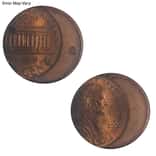
Varieties and Errors: Doubled dies, off-center strikes, and other anomalies are highly sought after.
-
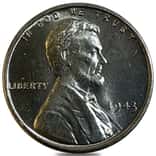
Metal Composition: 1943 steel cents and the 1982 copper-to-zinc transition are examples of valuable composition shifts.
Continue Your Penny Collecting Journey
From early American Half Cents to the modern Lincoln Shield design, U.S. pennies offer an unmatched depth of history, artistry, and collectibility. Whether you’re building a complete type set or seeking a key date to fill that final slot, The Penny Vault is your gateway to exploring these timeless treasures.
Check out the featured articles and resources below for deeper insights into some of the most intriguing aspects of the one-cent coin:
Cent Coin Info Page
The Top 100 Most Valuable Wheat Pennies: Unlocking History, Rarity, and Value
Rare Lincoln Cent Errors by Year: A Collector’s Guide
1943 Steel Lincoln Wheat Cent: History, Errors, and How to Spot Fakes
Hidden in Plain Sight: The 1944 Lincoln Wheat Cent and Its Wartime Secrets