View Charts
Why Diwali and Dhanteras Drive Gold and Silver Demand
 0
0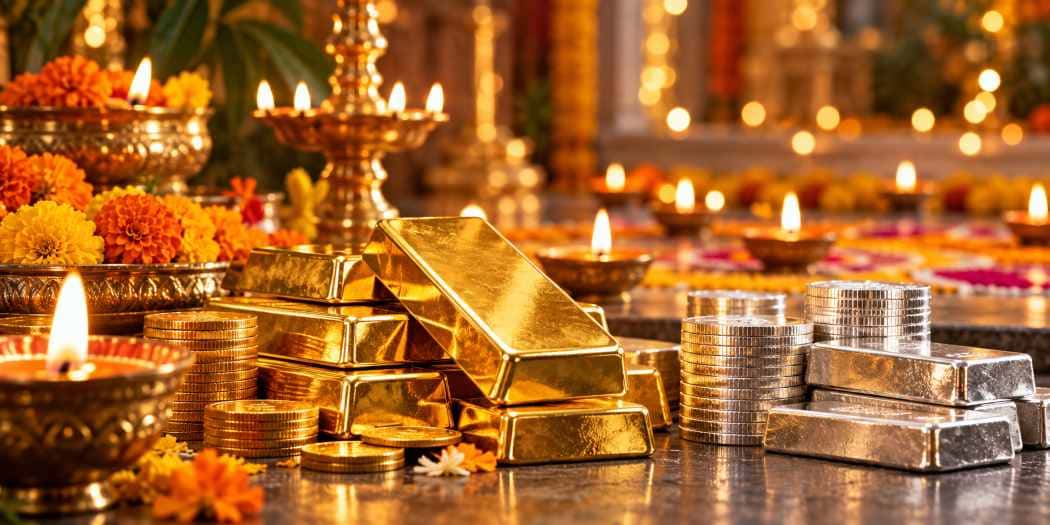
Diwali 2026 Will Test How Much Price Changes Tradition
India’s festive gold season is approaching under conditions that make 2026 unusually revealing. Gold remains historically expensive, consumers have become more selective about how much metal they buy, and a sharp increase in import duties has raised the cost of bringing new bullion into the country. Yet the underlying attraction of precious metals has not disappeared. Wedding purchases have remained resilient, physical investment demand has held up better than jewelry volumes, and retailers are preparing for the year’s most closely watched buying season.
That makes this Diwali less about whether Indians will buy gold and more about how they will adapt. Dhanteras has long encouraged purchases of gold and silver as symbols of prosperity and good fortune, but tradition does not dictate weight, format, or price. In a year when affordability is unusually strained, consumers can preserve the custom by choosing lighter jewelry, exchanging old gold, buying smaller coins or bars, or shifting part of their spending toward silver. Those choices may reveal more about the strength of physical demand than headline tonnage alone.
High Prices Are Changing the Shape of Festive Demand
The adjustment was already visible before the peak festive season. The World Gold Council’s Q2 2026 analysis of Indian gold demand found that demand totaled 131 tonnes in the second quarter, 6% lower than a year earlier. Jewelry demand fell more sharply, dropping 15% to 75 tonnes. But the value of jewelry purchases increased 34%, while total consumer spending on gold reached a second-quarter record. In practical terms, households were spending substantially more money while taking home less metal.
Retail behavior helps explain the divergence. High prices encouraged lighter pieces, lower-carat jewelry, and greater use of old-gold exchanges. Consumers who might once have made an entirely new purchase can instead use existing jewelry to offset the cost of a replacement. This is not the same as demand disappearing. It changes how households preserve exposure to an asset that carries both financial and cultural importance.
That distinction should be especially important around Dhanteras. A buyer who considers acquiring precious metal part of the occasion has more flexibility than a simple tonnage figure suggests. A smaller gold coin can replace a larger one; lighter jewelry can preserve the gifting tradition; silver can provide a physically substantial purchase at a lower cost. Bullion Exchanges explored the cultural foundations of this behavior in its 2025 coverage of Diwali and Dhanteras gold buying, but 2026 presents a different question: how much can buying habits change before the underlying tradition begins to weaken?
Investment Gold Is Holding Up Better Than Jewelry
One of the more consequential shifts has occurred outside the jewelry counter. Indian bar-and-coin demand has proved more resilient than jewelry demand during 2026, indicating that high prices are not affecting every type of buyer equally. Jewelry remains central to India’s gold market, but investment products offer buyers another way to maintain physical ownership while controlling how much they spend.
Bars and coins separate the desire to own gold from the workmanship and design costs associated with jewelry. That distinction becomes more important when every additional gram carries a much higher price. Smaller bullion products also allow buyers to adjust expenditure without abandoning the purchase altogether, making them particularly relevant during an auspicious buying period.
For bullion investors, the change is worth watching beyond the festival itself. If investment demand remains firm while jewelry tonnage stays subdued, India’s gold market is not simply becoming weaker; its composition is changing. Bullion Exchanges’ live gold price chart provides the global benchmark against which that affordability pressure develops, but Indian consumers ultimately respond to local prices, taxes, premiums, and the value of gold they already own.
A 15% Import Duty Complicates the Diwali Test
Affordability pressure intensified on May 13, when India raised the effective import duty on gold and silver from 6% to approximately 15%. India’s Department of Economic Affairs May economic report says the revised framework increased the basic customs duty from 5% to 10% and the Agriculture Infrastructure and Development Cess to 5%. The government described the measure as an effort to discourage discretionary imports after gold and silver imports totaled $84 billion in the preceding fiscal year.
The immediate response demonstrated why the duty matters. After the increase, Indian gold discounts widened sharply as higher domestic prices discouraged retail buying and prompted investor selling. Rather than immediately creating a shortage, the policy collided with weak demand and available domestic supply.
Diwali will test that balance under very different seasonal conditions. If festive purchases absorb dealer inventories and recycled gold, demand for newly imported bullion could strengthen and domestic discounts could narrow. If consumers remain cautious despite the festival, existing supply may continue to satisfy much of the market. Premiums, discounts, and imports can therefore reveal something sales values cannot: how urgently Indian buyers need additional physical metal.
Silver Creates Another Route Into the Tradition
Silver deserves attention precisely because the affordability problem is so acute. It has long been purchased during Dhanteras in coins, bars, jewelry, utensils, and religious items, but the enormous price gap with gold gives it an additional role when household budgets are stretched. Someone who finds a meaningful gold purchase too expensive can still acquire a substantial amount of precious metal in silver.
That does not make the two metals interchangeable. Gold remains more deeply embedded in wealth storage, jewelry, and intergenerational savings, while silver has a much larger industrial-demand component and behaves differently in global markets. Festive buying, however, is partly about participation, and silver lowers the financial threshold for that participation. Investors can compare the metals through Bullion Exchanges’ live silver price chart as the festive season approaches rather than assuming that strength or weakness in one market will automatically be mirrored by the other.
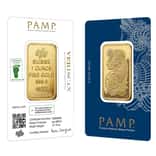
The possibility of substitution also makes product mix useful evidence. Strong silver buying alongside smaller gold purchases would not necessarily indicate that households are abandoning gold. It could show that consumers are distributing a fixed festive budget differently. The same adjustment can occur within gold itself: the range of available gold bars spans different weights, allowing the amount committed to physical bullion to change without changing the decision to own the metal.
The Global Signal Will Come From How Buyers Adapt
Diwali does not determine the international gold price, which remains shaped by interest rates, currencies, central-bank activity, ETF flows, geopolitical risk, and investor positioning. India’s festive season matters differently. As one of the world’s major physical gold markets, it provides a recurring test of how consumers respond when prices, policy, and tradition collide. This year, tonnage alone could give an incomplete picture: India’s second-quarter experience already showed that physical volumes can fall even as consumer spending reaches records.
The more revealing signals will be what buyers actually do during the festive season. The balance between jewelry and investment products, the use of old-gold exchanges, bullion imports, domestic premiums or discounts, and demand for smaller gold products or silver can help distinguish genuine demand destruction from adaptation. If consumers continue participating despite higher prices and a steeper import duty, Diwali 2026 could demonstrate that India’s physical precious-metals demand remains resilient even as the way households buy gold evolves.