View Charts

Why Are Gold and Silver Falling After the September CPI Report?
 0
Inflation Rises, but Precious Metals Head Lower
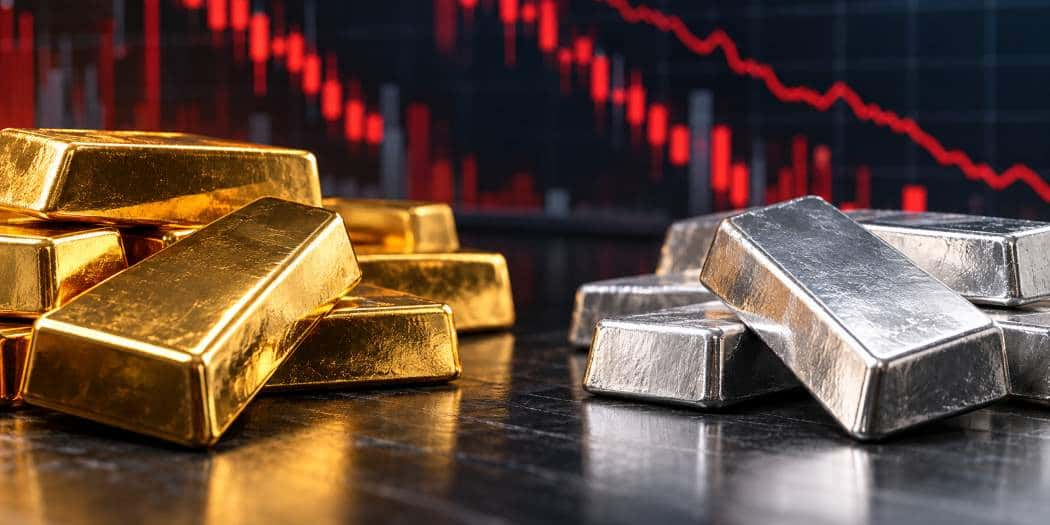
Gold and silver fell sharply Wednesday morning after a hotter-than-expected U.S. inflation report changed the market's assessment of what the Federal Reserve might do next. The apparent contradiction is the story: investors often buy precious metals to protect against inflation, yet the immediate response to stronger inflation was to sell them. Around 9:00 AM ET on October 14, gold was trading near $4,084.60 per ounce and silver around $56.83, both lower than readings taken shortly after the report. Platinum and palladium were also declining.
The difference between an inflation hedge and a short-term market trade became unusually visible. Gold was already under pressure before the 8:30 AM release; the morning snapshots do not establish how much of its total daily decline CPI caused. They do, however, show additional selling as traders absorbed the figures. Silver's losses accelerated more sharply, giving investors two related but distinct questions to answer.
The September CPI Surprise Was Bigger Than the Headline
The Bureau of Labor Statistics' September CPI report showed consumer prices rising 0.6% in September and 3.7% over the preceding year. The annual rate was up from August's 3.4% and exceeded economists' widely reported 3.6% expectation. Core inflation, which excludes food and energy, rose 0.3% for the month and 2.6% annually, also above the anticipated annual reading of 2.5%. Neither figure suggested that inflation pressure had disappeared beneath the energy shock.
Gasoline prices jumped 9.1% in September, accounting for more than half of the overall monthly CPI increase. The broader energy index advanced 5.2%, while shelter costs rose 0.4%. Those details matter because an energy-led price increase is different from inflation driven by vigorous consumer spending. Higher fuel costs can push measured inflation upward even as households and manufacturers face a squeeze on their budgets. The Federal Reserve must weigh both the inflation problem and the potential damage to economic activity.
The report also complicates the argument that energy volatility can simply be ignored. Core inflation rose from 2.4% annually in August to 2.6% in September, and several categories outside energy posted monthly increases. One report cannot establish a lasting trend, but it reduced the immediate comfort investors might have taken from a purely gasoline-driven headline surprise.
The Bond Market Delivered the More Important Signal
Treasury trading provided a clearer explanation for the pressure on bullion than the inflation number alone. Following the release, the two-year Treasury yield, especially sensitive to expectations for Federal Reserve policy, climbed to roughly 4.9%. The ten-year yield reached approximately 5.29%, according to morning financial-market reporting. Bond yields and gold prices do not move in perfect opposition, but higher available yields make holding an asset without interest income less attractive at the margin.
Markets also revised the probability of another interest-rate increase at the Fed's October meeting. Reported pricing shifted from roughly one chance in five before the release to nearly one chance in two afterward. That is a change in expectations, not a decision by policymakers. The Federal Reserve's policy calendar remains the authoritative reference for scheduled meetings and official announcements; futures-implied probabilities can change quickly as new information arrives.
This distinction helps resolve the inflation-hedge puzzle. A higher CPI reading can increase the long-term appeal of assets perceived as stores of purchasing power. But if investors simultaneously expect tighter monetary policy, rising bond yields and a firmer dollar can dominate the next few minutes or days of trading. Today's decline therefore says more about the immediate repricing of interest rates than it does about whether inflation has ceased to matter for gold.
Why Silver Fell Harder Than Gold
The contrast was striking in early trading. Around 8:40 AM ET, silver was quoted near $57.55 per ounce; by approximately 9:00 AM, it had fallen to $56.83. Gold moved from about $4,095.30 to $4,084.60 during the same period. Silver's additional percentage decline was considerably larger, even though both metals faced the same inflation report and interest-rate news. These are spot-market observations from the morning session, not closing prices or a complete account of the trading day.
Silver has a second exposure that gold does not share to the same degree: substantial industrial use. Electronics, electrical infrastructure and solar technologies create demand tied to manufacturing and investment cycles. When energy prices rise sharply, investors may worry that higher operating costs and weaker purchasing power will eventually restrain industrial activity. That concern can add to the monetary pressure from higher yields, although today's price action alone cannot prove that industrial buyers reduced orders or that physical silver demand suddenly weakened.
Positioning and market depth offer another possible amplifier. Silver typically experiences larger percentage swings than gold, and rapid futures-market adjustments can magnify reactions to economic surprises. Without contemporaneous positioning or transaction data, attributing the move to forced liquidations would go beyond the evidence. The observable fact is narrower and more useful: silver was the weaker metal during the measured post-release window, making its response an important test of whether the selloff remains broad or begins to diverge.
Energy Inflation Creates an Uncomfortable Choice
The geopolitical backdrop makes this report harder to interpret than a routine inflation surprise. Disruptions and risks around Middle Eastern energy shipments have kept oil prices elevated, raising transportation and production costs. Oil-driven inflation can produce conflicting incentives for precious-metals investors: concern about currency purchasing power may support demand for gold, while the prospect of tighter policy and slower growth can pressure both gold and industrially exposed silver.
Other metals reflected that tension Wednesday morning. Around 9:00 AM ET, platinum was trading near $1,623 and palladium around $1,099 per ounce, both below their earlier readings. Their performance should not be treated as evidence of a sudden change in automobile production or mine supply. It instead reinforces that investors were reacting across the precious-metals complex. A durable explanation of platinum or palladium would require separate evidence on automotive demand, inventories and production conditions.
Readers following the gold spot price chart and silver spot price chart should distinguish an intraday market quotation from the price available for a particular coin or bar. Retail bullion premiums, payment terms and dealer inventory can change the final purchase price. The direction of spot is important, but a percentage decline in the benchmark does not guarantee an identical reduction in every retail product.
What Could Change the Direction of Trading Next?
Thursday's producer-price data offers the next opportunity to test whether September's inflation pressures are spreading through the economy. Traders will also watch Treasury yields, the dollar and subsequent Fed commentary. If yields continue climbing, bullion may remain vulnerable even when investors remain concerned about inflation. A retreat in yields, on the other hand, could ease the immediate opportunity-cost pressure without resolving the broader price-level problem.
There is also a difference between a market reacting to a surprise and one establishing a sustained trend. Wednesday's early prices captured a fast adjustment to new information; they did not settle the outlook for the remainder of October. What changed today was the evidence: the report arrived above expectations, yields rose, and silver underperformed gold. The next useful question is whether those relationships persist once the initial rush of trading subsides.
Related reading you may find interesting:
Why Are Precious Metals Rising Despite Hotter Inflation Data?