View Charts
Maximizing Profits: Buying and Reselling Costco Bullion to Dealers
 0
0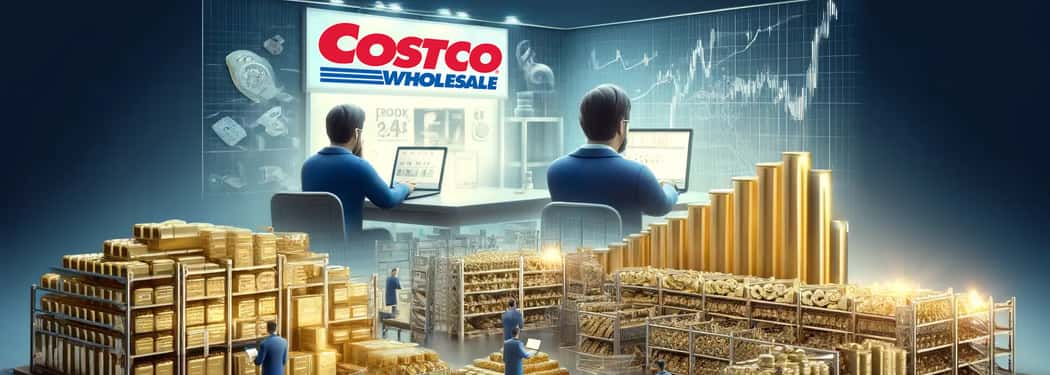
Bullion investment has long been a preferred strategy for those looking to diversify their portfolios and hedge against economic volatility. Recently, a unique opportunity has emerged for bullion investors: purchasing gold and silver products from Costco and reselling them to bullion dealers for a profit. This guide outlines the process, provides strategic insights, and discusses how investors can capitalize on this opportunity effectively.
Understanding the Costco Bullion Market
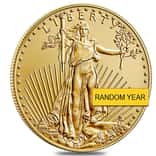
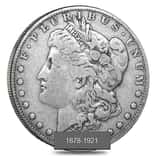
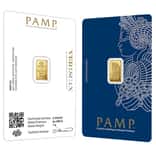
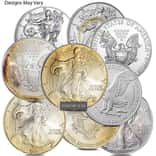
Costco, known for its bulk goods and competitive pricing, also offers a selection of high-quality bullion products, including gold and silver bars, coins, and other precious metals items. These products are often sold at prices close to the spot market rate, making them an attractive option for investors. The key advantage of buying from Costco lies in their pricing model and the trustworthiness of their product source.
Step 1: Research and Planning
Before diving into bullion investment through Costco, it’s crucial to conduct thorough research and planning. Start by monitoring the bullion market to understand price trends and determine the right time to buy. Tools like historical price charts and market analyses can provide valuable insights into when prices are likely to increase or decrease.
Additionally, familiarize yourself with the specific types of bullion products that Costco offers. Knowing the weights, brands, and purity of gold and silver products available will help you compare these with what bullion dealers are interested in purchasing.
Step 2: Membership and Purchase
To purchase bullion from Costco, you must be a member. Membership fees are relatively low compared to the potential profits from bullion trading, making it a worthwhile investment. Once you have your membership, keep an eye on the inventory. Costco’s bullion products, especially limited-edition or highly discounted items, can sell out quickly.
When making a purchase, think about using a cashback credit card that provides rewards on transactions. This can slightly reduce your overall cost and increase your margin when reselling the bullion.
Step 3: Selling to Bullion Dealers
After acquiring gold or silver from Costco, the next step is to sell these products to a bullion dealer for a profit. This requires identifying dealers who offer competitive buyback prices. It’s advisable to build relationships with several reputable dealers to negotiate better terms and compare offers.
Before selling, always check the current spot price of bullion. Your aim should be to sell when market conditions are favorable—ideally, when prices are higher than when you purchased. Also, ensure the bullion is in excellent condition, as this affects the resale value.
Step 4: Logistics and Security
Handling and transporting bullion requires careful consideration due to the high value and risk of theft. Invest in secure packaging and choose insured and trackable shipping methods when sending bullion to dealers. For larger transactions, consider using professional transportation services that specialize in precious metals.
Step 5: Understanding Taxes and Legalities
Be aware of any taxes or regulations associated with buying and selling bullion. In some jurisdictions, profits from bullion trading are subject to capital gains tax. Consult with a financial advisor to understand your tax obligations and keep detailed records of all transactions to ensure compliance with financial regulations.
Maximizing Profits: Tips and Strategies
To maximize your profits, stay informed about market trends and dealer demand. Networking with other investors and participating in forums can provide insights into which bullion products are most profitable and in demand. Additionally, consider diversifying the types of bullion you buy and sell to spread risk and increase potential revenue streams.
Conclusion
Purchasing bullion from Costco and reselling it to bullion dealers can be a lucrative venture for savvy investors. By understanding the market, carefully planning purchases, and strategically selling to reputable dealers, investors can capitalize on the differences in market pricing to make a substantial profit. Always stay informed, maintain high security, and adhere to legal standards to ensure your bullion trading is both profitable and compliant.
FAQ: Buying and Reselling Costco Bullion
1. What types of bullion can I purchase from Costco?
- Costco offers a variety of bullion products, including gold and silver bars, coins, and occasionally, other precious metals items. These are often available in different weights and purities, catering to both novice and experienced investors.
2. Do I need a Costco membership to buy bullion?
- Yes, purchasing bullion from Costco requires a membership. The annual fee for a basic membership is relatively low and can be a worthwhile investment given the potential returns from bullion trading.
3. How can I ensure I'm buying bullion at a good price from Costco?
- To ensure you are getting a good deal, monitor the spot prices of precious metals regularly and compare them to the prices at Costco. Costco typically offers bullion close to the current market rates, making it a competitive source for investors.
4. What should I consider when choosing a bullion dealer to resell to?
- When reselling bullion, look for reputable dealers who offer competitive buyback prices. Establish relationships with multiple dealers to better negotiate prices and compare offers. Always verify the dealer's credibility and the terms of sale.
5. How do I maximize my profits when reselling bullion?
- To maximize profits, sell your bullion when the market prices are higher than when you purchased. Maintain the bullion in excellent condition, as this affects resale value. Utilizing a network of reliable dealers and staying informed about market trends will also help you get the best prices.
6. What are the best practices for shipping bullion to a dealer?
- Use secure packaging and opt for insured and trackable shipping methods to minimize risks associated with transporting high-value items. For larger or more valuable shipments, consider using specialized transportation services for precious metals.
7. Are there any tax implications when buying and selling bullion?
- Profits from bullion trading may be subject to capital gains tax, depending on your jurisdiction. It's advisable to consult with a financial advisor to understand your tax obligations fully and keep detailed records of all transactions for tax purposes.
8. Can using a credit card to purchase bullion be beneficial?
- Using a cashback credit card for purchasing bullion can reduce your overall cost basis through rewards or cash back. Ensure the credit card chosen does not classify the purchase as a cash advance, which could incur higher fees and interest rates.
By: Michael Figueroa