View Charts
Is the U.S. Dollar Keeping Gold in Check? Market Analysis
 0
0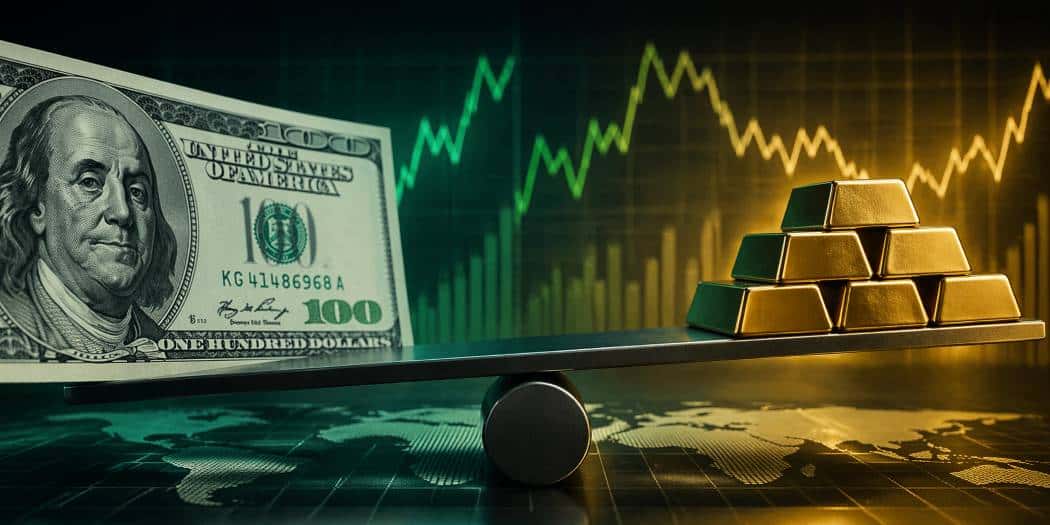
How Dollar Strength Is Impacting Gold Prices in 2026
In the ever-shifting landscape of the precious metals market, gold often finds itself locked in a tug-of-war with the U.S. dollar. As the world's primary reserve currency, the dollar plays a critical role in determining the spot price of gold, and its strength or weakness can significantly impact investor behavior. With inflation concerns, global geopolitical risks, and central bank policy driving market sentiment, gold’s performance in 2026 is heavily influenced by fluctuations in the U.S. dollar index (DXY). But how much does the dollar really control gold’s movement, and is it still the determining factor for bullion investors?
The U.S. Dollar’s Role in Gold’s Price Movement
The relationship between gold and the U.S. dollar has long been a subject of interest for investors, economists, and market analysts. Typically, when the dollar strengthens, gold prices tend to weaken. This is because gold, priced in dollars, becomes more expensive for foreign buyers. Conversely, a weaker dollar makes gold more affordable internationally, often driving its demand higher.
As of 2026, the DXY has been holding firm, supported by the Federal Reserve’s hawkish stance on interest rates. This has kept gold from surging to new highs despite a turbulent global economy. However, the dollar's dominance is not absolute, and the interplay between geopolitical tensions, inflation expectations, and monetary policy will continue to dictate gold’s direction.
How Rising Inflation Is Boosting Gold Demand Despite Dollar Strength
While the dollar has remained strong in 2026, inflationary pressures continue to fuel demand for safe-haven assets like gold. Rising energy prices, particularly oil surging toward $104 a barrel, are intensifying concerns about inflation, which benefits gold’s role as an inflation hedge. The strong dollar may dampen some of the immediate upside for gold, but inflation concerns are pushing investors toward bullion to preserve wealth in uncertain times.
Gold’s inverse correlation with real yields (the return on government bonds after inflation) further strengthens its appeal as an inflation hedge. Even though the U.S. Federal Reserve may raise interest rates to curb inflation, gold will likely continue to attract long-term investors looking to protect against the erosion of purchasing power.
Dollar vs Gold: What Happens During Global Geopolitical Instability?
The U.S. dollar and gold often act as competing safe-haven assets during periods of geopolitical instability. When global tensions rise—whether from Middle Eastern conflicts, trade wars, or economic uncertainties—investors often flock to both gold and the dollar. However, the behavior of these two assets in such scenarios can vary significantly. While the dollar is viewed as a global reserve asset, gold has historically been seen as a hedge against currency devaluation and a store of value during uncertain times.
In 2026, rising Middle Eastern tensions and U.S. policy shifts have created an environment where gold’s safe-haven appeal is strong. Even with a strong dollar, geopolitical risk often pushes investors to diversify into gold for long-term wealth preservation.
How Long Can Gold Be “Held in Check” by the U.S. Dollar?
Despite the current dominance of the U.S. dollar, there are signs that gold may break free from its tight correlation in the near future. Gold’s price has shown resilience in the face of dollar strength, especially as central banks around the world continue to diversify their reserves into gold. In addition, institutional demand for gold-backed financial products remains robust, signaling that the precious metal is seen as more than just a response to dollar fluctuations.
However, if the dollar remains strong and U.S. interest rates stay elevated, gold’s upside potential could be capped in the short term. Gold’s behavior in 2026 will depend not only on dollar movements but also on broader shifts in market sentiment, real interest rates, and global political dynamics.
What This Means for Gold Investors in 2026
For gold investors, the current market dynamics present both opportunities and risks. The strong U.S. dollar and rising bond yields are likely to keep gold prices in check in the short term, making it more difficult for gold to break out to new highs. However, with inflation concerns continuing to rise, particularly due to oil price surges, gold remains a key hedge against inflation, meaning it could outperform other assets in the longer run.
What to Watch:
-
Dollar Strength – Continued strength in the U.S. dollar will likely keep gold prices under pressure. Monitor DXY movements to gauge future price action.
-
Inflation Data – Gold tends to perform well when inflation expectations rise. Keep an eye on energy prices, particularly oil.
-
Fed Rate Decisions – The Federal Reserve’s stance on interest rates will dictate investor appetite for non‑yielding assets like gold.
-
Geopolitical Risks – Tensions in the Middle East and trade policies can lead to sudden spikes in gold demand.
Opportunities to Buy or Sell:
-
Buying Opportunity – If gold pulls back in the near term due to strong dollar trends, this could present a buying opportunity for long-term investors looking to add gold at a lower price point before inflation concerns escalate further.
-
Selling Opportunity – If geopolitical risks surge, pushing gold higher in the short term, investors might consider taking profits before gold faces headwinds from a stronger dollar or rising interest rates.
The U.S. Dollar vs Gold: A Tug-of-War in 2026
While the U.S. dollar continues to exert significant influence on gold prices in 2026, the relationship is nuanced. Dollar strength can cap gold’s upside, but inflation concerns, geopolitical risks, and gold’s role as an inflation hedge keep demand strong. As global uncertainty persists and inflation rises, gold’s potential remains intact, even if dollar strength holds sway for now.