View Charts
Is Buying Gold Bars or Coins Better for Investors in 2025?
 0
0
Today’s Market: Gold in the Spotlight
Gold remains one of the most trusted assets in the world, and 2025 has only reinforced its relevance. With prices hovering near record highs and investors navigating inflationary pressures, shifting Federal Reserve policies, and ongoing geopolitical uncertainty, the debate is more timely than ever: is it better to buy gold bars or coins?
Both options serve as powerful vehicles for wealth preservation, but they differ significantly in premiums, storage, liquidity, and resale dynamics. Whether you are stacking ounces purely for investment purposes or seeking pieces that combine artistry with value, understanding these differences is essential for building a resilient portfolio.
Premiums and Pricing: Bars vs. Coins
One of the first distinctions between gold bars and coins is premiums over spot price.
-
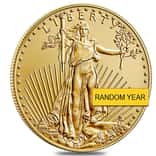
Gold Coins – Coins such as the American Gold Eagle, Canadian Gold Maple Leaf, or South African Krugerrand typically carry higher premiums. This is due to government minting costs, legal tender status, and their global recognition. Collectors also drive additional demand for special finishes (Proofs, Reverse Proofs, or limited issues), which pushes premiums further.
-
Gold Bars – Bars from trusted refiners like PAMP Suisse, Valcambi, or Credit Suisse generally carry lower premiums per ounce, especially in larger sizes. Investors focused on maximizing ounces for their dollar often lean toward bars.
Example: A 1 oz American Gold Eagle may trade at a 4–6% premium over spot, while a 1 oz PAMP Suisse bar might be 2–3%. In times of surging demand, however, coin premiums often spike as investors seek the liquidity and recognition of government-issued bullion.
Storage and Convenience: Efficiency Matters
Storage is another key consideration.
-
Gold Bars – Bars, particularly in larger sizes like 10 oz or kilo, are space-efficient and easy to stack. They are ideal for investors looking to accumulate significant weight in a compact form. However, larger bars may be less convenient to sell in smaller increments, and sometimes require third-party assay testing before resale.
-
Gold Coins – Coins are bulkier per ounce and take up more space compared to bars, but they offer flexibility. Selling smaller increments, such as 1 oz or fractional Gold Eagles, is far easier than liquidating a large bar. Many investors appreciate this versatility, particularly in uncertain economic climates.
Professional storage options (depositories, bank vaults) mitigate these challenges, but for at-home storage, bars provide tighter efficiency while coins provide greater liquidity.
Resale and Market Liquidity
When it comes to resale, recognition and trust play pivotal roles.
-
Gold Coins – Coins like the American Gold Eagle and Canadian Maple Leaf are instantly recognizable worldwide. Their government-backed status simplifies resale and often means tighter bid-ask spreads in the secondary market.
-
Gold Bars – Bars from LBMA-approved refiners are also trusted, but larger bars may face resale hurdles. A 1 oz or 10 oz bar is easy to sell, but kilo bars sometimes require assay verification to confirm authenticity, which can delay the process.
For investors who prioritize liquidity and ease of resale, coins generally have the advantage, though bars remain efficient for large, long-term holdings.
Investor Goals vs. Collector Appeal
The choice between bars and coins often comes down to your goals:
-
Investors – Pure investors who prioritize accumulating as much gold weight as possible for the lowest premium tend to prefer bars. High-volume buyers often stack kilo bars for their efficiency.
-
Collectors & Hybrid Buyers – Collectors, and those who enjoy tangible artistry alongside intrinsic value, gravitate toward coins. Government-issued coins often feature evolving designs (such as the American Gold Eagle’s updated reverse or the Perth Mint Lunar series) that add collector demand and potential numismatic appreciation.
This distinction highlights gold’s unique dual role: an investment asset and a collectible treasure.
Gold’s Historical Role: From Ancient Civilizations to Modern Markets
Gold’s safe-haven status is not just a modern idea — it stretches back thousands of years. Ancient Egyptians revered gold as the “flesh of the gods,” while Roman emperors minted aureus coins to fund empires. Throughout history, civilizations from China to Mesopotamia used gold for trade, wealth storage, and cultural symbolism.
Today, that legacy continues. While cryptocurrencies and digital assets rise in popularity, gold’s 3,000-year track record of preserving wealth across wars, depressions, and monetary resets cements its position as the ultimate anchor in times of uncertainty. For modern investors, owning gold — whether in bar or coin form — is a continuation of a practice that has safeguarded wealth for millennia.
Diversification: Why Many Investors Choose Both
For most investors, the answer is not bars or coins, but both.
-
Bars provide efficient, low-premium exposure for stacking weight.
-
Coins add flexibility, global recognition, and collectible appeal.
Together, they create a balanced gold allocation that maximizes efficiency while preserving liquidity. For example, an investor may hold kilo bars for long-term storage while also keeping American Gold Eagles or Canadian Maple Leafs for quick resale or emergency liquidity.
Gold vs. Other Assets: The Diversification Edge
Gold plays a different role in a portfolio compared to other assets:
-
Stocks and Real Estate – These can generate income and appreciation but are vulnerable to market downturns.
-
Cryptocurrencies – Offer upside but carry extreme volatility and no intrinsic value.
-
Gold – Balances risk with stability, often moving inversely to equities and the dollar.
Gold’s ability to maintain purchasing power for centuries — while fiat currencies consistently decline — makes it indispensable for diversification.

Practical Examples for Today’s Buyer
At Bullion Exchanges, popular coins like the 1 oz American Gold Eagle and 1 oz Canadian Gold Maple Leaf remain among the most liquid products worldwide. On the bar side, 1 oz PAMP Suisse Lady Fortuna bars and 1 Kilo Metalor Gold Bars are staples for investors seeking efficiency.
Having both in your portfolio ensures access to global recognition, easy resale, and the ability to capitalize on low premiums.
So Which Is Better?
There is no universal answer — it depends on your strategy. If your goal is to maximize ounces at the lowest cost, gold bars are often the better choice. If you value liquidity, recognition, and collectible appeal, coins may be the way to go.
The wisest investors hold a mix of both. By balancing bars for efficiency and coins for flexibility, you create a portfolio that stands strong against inflation, market volatility, and uncertainty.
At Bullion Exchanges, you can shop a full range of gold bars and coins from globally recognized mints and refiners, all with transparent pricing and trusted authenticity. Whether you’re stacking ounces or adding to a collection, today’s market offers an opportune moment to secure gold in the form that best matches your goals.
FAQ: Gold Bars vs. Coins
Are gold coins easier to sell than gold bars?
Yes. Gold coins like the American Gold Eagle and Canadian Maple Leaf are instantly recognizable worldwide, making them highly liquid and easier to resell compared to larger gold bars, which may require additional verification before sale.
Which has lower premiums — gold bars or gold coins?
Gold bars typically carry lower premiums per ounce because they don’t include government minting costs or collectible appeal. Coins often cost more due to design, demand, and legal tender status.
Do gold bars or coins hold their value better over time?
Both retain intrinsic value tied to the spot price of gold. However, coins can sometimes appreciate beyond bullion value due to limited mintages, high demand, or collectible status.
What sizes are best for gold bars and coins?
Coins are most commonly struck in 1 oz sizes, with fractional options available. Bars range from 1 gram to 1 kilo or more. Investors often mix smaller sizes for flexibility with larger bars for efficiency.
Are gold coins better for collectors than bars?
Yes. Coins often feature unique designs, changing artwork, and limited mintages that appeal to collectors. Bars, while efficient, generally focus on bullion content and branding.
Are gold bars or coins better for long-term investment?
Both serve as strong long-term investments. Bars maximize ounces for cost efficiency, while coins balance investment with liquidity and global recognition. A mix of both is often ideal.
Is there a risk of counterfeit gold bars or coins?
Counterfeiting exists, but buying from reputable dealers like Bullion Exchanges ensures authenticity. Certified coins and LBMA-approved bars are also easier to verify and trade.