View Charts
How Do I Test Silver at Home?
 9
9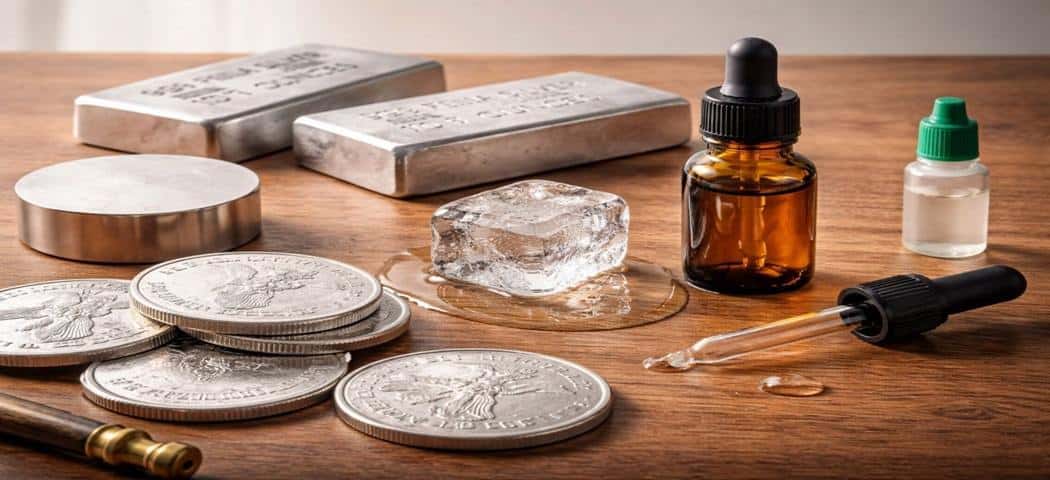
How to Test Silver at Home: A Practical Guide
Testing silver at home is one of the most effective ways to quickly evaluate the authenticity and purity of your precious metals without the need for specialized equipment. Whether you are monitoring your holdings alongside the silver spot price, verifying a recent purchase, or assessing inherited items, simple at-home testing methods can provide valuable first-level confirmation.
With the rising demand for silver coins, bars, rounds, and jewelry, counterfeit products have become increasingly sophisticated. As a result, knowing how to test silver at home has become an essential skill for both investors and collectors. While professional testing and certification remain the most reliable options, several proven techniques can help you identify genuine silver with a high degree of confidence.
From checking physical characteristics to evaluating how silver reacts to temperature and magnetism, these methods allow for fast and cost-effective screening. When used together, they can significantly reduce the risk of accepting fake or plated items. Below, we explore the most reliable ways to test silver at home and what each method reveals about authenticity.
How Can You Tell If Silver Is Real? Key Signs of Authenticity
Determining whether silver is real involves examining both its physical properties and how it behaves under specific tests. Because silver is a highly valuable precious metal—closely tied to movements in the price of silver—it is frequently targeted by counterfeiters using plated or alloyed substitutes.
No single test can guarantee authenticity on its own, but combining multiple methods creates a much clearer picture. Genuine silver has distinct characteristics, including high density, exceptional thermal conductivity, and non-magnetic behavior. These traits form the basis of most at-home silver testing techniques.
Common methods used to identify real silver include visual inspection for stamps and markings, magnet testing to detect non-silver metals, ice testing to evaluate thermal conductivity, and acid or chemical testing to confirm composition. More advanced users may also rely on electronic verification tools, which measure how silver interacts with electromagnetic signals.
By understanding these key indicators, investors and collectors can better protect themselves while navigating the silver market, ensuring that their holdings accurately reflect true metal value.
Before Testing Silver:
-
Look for hallmarks and mintmarks
Most genuine silver products are stamped with markings that indicate purity, manufacturer, or mint of origin. These markings may include millesimal fineness numbers such as .800, .900, .925, .999, or abbreviations like “STER” for sterling silver. Coins may also feature mintmarks identifying where they were struck.
When examining silver coins, pay close attention to the edges and fields using a magnifying glass. Hallmarks and mintmarks are often small and finely detailed. Once identified, reference guides or reputable online databases can help confirm whether the markings align with authentic silver issues.
-
Look for discoloration
Discoloration can provide clues—but it must be interpreted carefully. Counterfeit silver is often made from lower-quality metals that may discolor unevenly or develop unusual spotting. In contrast, genuine silver typically tarnishes gradually, forming a gray or black patina over time due to oxidation.
Examine the surface for irregular patches, flaking, or color inconsistencies that appear unnatural. Uniform tarnish is common on real silver, while erratic discoloration may suggest plating or non-silver composition.
How Do You Test Silver With Ice?
The ice test is one of the simplest and most effective at-home silver tests. Place an ice cube directly on the silver item and observe how quickly it melts. Silver has the highest thermal conductivity of any metal, meaning it transfers heat extremely fast.
If the ice melts noticeably faster than it would on stainless steel, nickel, or zinc, the item is likely genuine silver. This test works especially well on silver bars and larger silver coins.
How Do You Test Silver With Vinegar?
Vinegar testing can help identify silver by triggering a chemical reaction. Apply a small amount of white vinegar to an inconspicuous area of the silver item. Genuine silver will typically show a mild reaction or darken gradually, while non-silver metals may remain unchanged or react differently.
For a more aggressive test, silver can be submerged in vinegar for an extended period, accelerating oxidation. Genuine silver may develop a dark surface layer, mimicking the natural tarnish process. This method should be used cautiously, especially on collectible or numismatic pieces.
How Do You Test Silver With A Magnet?
Silver is not magnetic, making magnet testing a quick screening tool. If a strong magnet sticks firmly to the item, it is not solid silver. However, some silver-plated items may exhibit partial magnetic response due to their core metal.
A lack of magnetism alone does not guarantee authenticity, but attraction to a magnet is a strong indicator that the item is not genuine silver.
How Do You Test Silver With A Sigma Verifier Machine?
Electronic testing provides one of the most accurate non-destructive ways to verify silver. Sigma Metalytics machines analyze electromagnetic properties to confirm metal composition without damaging the item.
The device can test silver through protective packaging and provide precise purity readings. While not typically used at home, many reputable bullion dealers rely on Sigma verification to authenticate silver coins and bars with high confidence.
How to Avoid Buying Fake Silver
The most reliable way to avoid counterfeit silver is to purchase from a trusted, established bullion dealer with a proven reputation in the industry. Reputable dealers provide transparent pricing that closely follows the silver spot price, offer detailed product descriptions, and maintain strong customer feedback across verified platforms. Affiliations with respected organizations, such as the Professional Numismatists Guild (PNG), can also serve as an added layer of credibility.
Before making a purchase, take time to understand the specifications of common silver products, including weight, dimensions, and design details. Comparing items against known authentic examples can help identify inconsistencies, while requesting certificates or documentation adds further assurance. These precautions are especially important during periods of heightened demand and increased volatility in the price of silver, when counterfeit activity tends to rise.
When Home Silver Testing Isn’t Enough
While learning how to test silver at home is an essential skill, it should be viewed as a first line of defense rather than a final confirmation—especially for higher-value items. Basic methods such as magnet testing, ice testing, and visual inspection can help identify obvious issues, but they may not detect more sophisticated counterfeits.
For complete confidence, professional verification using advanced tools—such as XRF analysis or electromagnetic testing devices—is recommended. As interest in physical silver continues to grow alongside movements in the silver spot price, ensuring authenticity has never been more important. Whether you are evaluating a single coin or building a larger position, combining at-home testing with expert authentication provides the highest level of security and peace of mind.
9 Comments