View Charts
How to Spot Counterfeit Coins and Ensure Authenticity
 0
0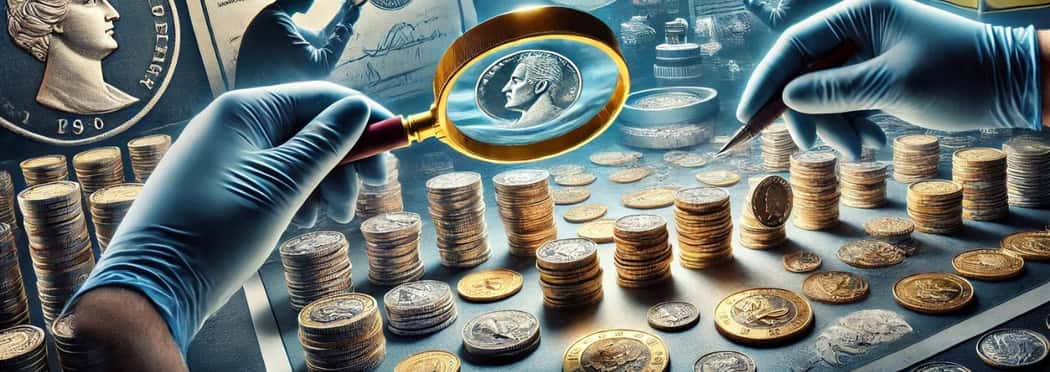
In the world of precious metals and numismatics, the value of authenticity cannot be overstated. Collectors and investors alike seek genuine coins that not only hold intrinsic value due to their metal content but also carry historical and collectible significance. Unfortunately, the high value associated with rare and precious coins has led to a growing market for counterfeits. Knowing how to spot counterfeit coins and ensuring their authenticity is crucial for anyone looking to invest in or collect coins. This article will guide you through the essential steps to identify fake coins and ensure the authenticity of your investments.
Understanding the Risks of Counterfeit Coins
Counterfeit coins are replicas or forgeries of genuine coins, created with the intent to deceive buyers into believing they are authentic. These fake coins can be made from base metals coated with a thin layer of precious metal, or they can be entirely false with no precious metal content. Counterfeit coins can be found in various forms, from modern bullion coins to rare historical pieces. The risk of purchasing a counterfeit coin is not only financial but also emotional, as collectors may be disappointed to discover that a treasured piece is not genuine.
Key Indicators of Counterfeit Coins
-
Weight and Dimensions
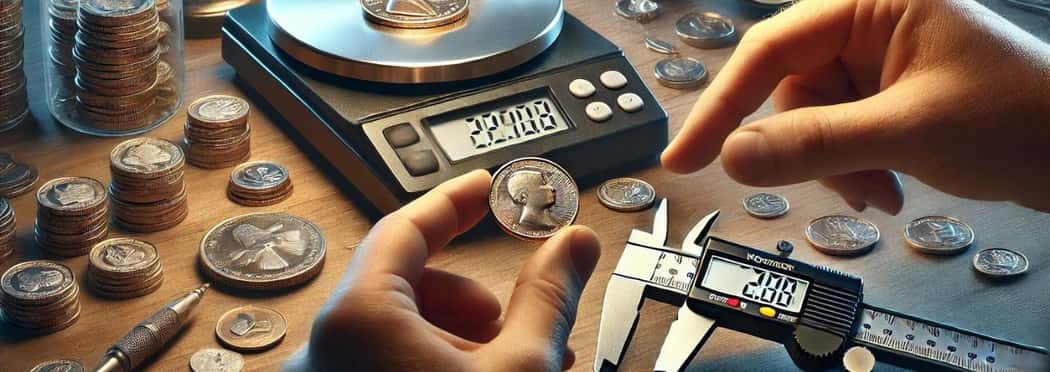
Genuine coins are produced to precise specifications, including weight, diameter, and thickness. One of the easiest ways to detect a counterfeit coin is by measuring its weight and dimensions. Counterfeit coins often deviate from the standard measurements due to the use of different metals or manufacturing processes. For example, a gold coin that is supposed to weigh 31.1 grams (1 troy ounce) but weighs significantly less or more is likely a fake. Using a precise scale and calipers to measure the coin's dimensions can help identify discrepancies.
-
Visual Inspection
Carefully examining a coin's appearance is another effective way to spot counterfeits. Look for any irregularities in the coin's design, such as incorrect fonts, misspelled words, or inconsistent details. Authentic coins have sharp, well-defined features, while counterfeit coins may have blurry or uneven details. Additionally, check the coin's surface for signs of casting or plating, such as small bubbles, pits, or seams. Genuine coins are struck from dies, resulting in a smooth and even surface, while counterfeit coins may show imperfections from the casting process.
-
Magnetic Properties
Most genuine precious metal coins, such as those made of gold, silver, or platinum, are non-magnetic. If a coin is attracted to a magnet, it is likely made from a base metal with a thin layer of precious metal coating. However, some counterfeiters use non-magnetic metals to create their fakes, so this test should be used in conjunction with other methods.
-
Sound Test
The sound test, also known as the "ping" test, involves tapping the coin with a hard object, such as a pen or another coin, and listening to the sound it produces. Genuine precious metal coins produce a clear, ringing sound, while counterfeit coins may produce a dull or flat noise. This test requires some experience, as different coins may produce slightly different sounds based on their composition.
-
Edge and Rim Examination
The edges and rims of coins are often overlooked but can provide valuable clues about authenticity. Genuine coins typically have well-defined edges, with consistent reeding or lettering. Counterfeit coins may have uneven or poorly defined edges, and the reeding may be inconsistent. Additionally, some counterfeit coins have edges that are too sharp or too rounded, which can indicate a lack of precision in the manufacturing process.
Ensuring Coin Authenticity
-
Purchase from Reputable Dealers
One of the most effective ways to ensure the authenticity of your coins is to buy from reputable dealers with a proven track record. Established dealers, like Bullion Exchanges, have strict quality control measures in place and offer guarantees of authenticity. When purchasing from a dealer, ask for a certificate of authenticity and inquire about their return policy in case the coin is later found to be counterfeit.
-
Third-Party Grading Services
Professional coin grading services, such as the Numismatic Guaranty Company (NGC) or the Professional Coin Grading Service (PCGS), provide expert authentication and grading of coins. Coins that have been graded by these services are encapsulated in tamper-proof holders with a label indicating the coin's authenticity, grade, and other relevant information. Purchasing coins that have been graded by a reputable third-party service provides an additional layer of security.
-
Seek Expert Opinions
If you have doubts about the authenticity of a coin, seek the opinion of a numismatic expert. Coin dealers, appraisers, or members of numismatic organizations can provide valuable insights into the coin's authenticity. Additionally, some experts offer verification services, where they will examine the coin and provide a written report on its authenticity.
-
Invest in Testing Equipment
For serious collectors and investors, investing in testing equipment can provide peace of mind. Devices such as electronic gold testers, XRF analyzers, and ultrasonic thickness gauges can provide accurate information about a coin's composition and authenticity. While these tools can be expensive, they are a worthwhile investment for those dealing with high-value coins.
Conclusion
The market for counterfeit coins is a growing concern for collectors and investors alike. However, by understanding the key indicators of counterfeit coins and taking steps to ensure authenticity, you can protect your investments and enjoy the satisfaction of owning genuine pieces of history. Whether you are a seasoned collector or a first-time buyer, following these guidelines will help you navigate the world of precious metals with confidence. Remember, when in doubt, consult with experts and always purchase from reputable sources like Bullion Exchanges to ensure the authenticity of your coins.