View Charts
Diversifying Your Portfolio in 2026: A Smart Investor’s Guide
 0
0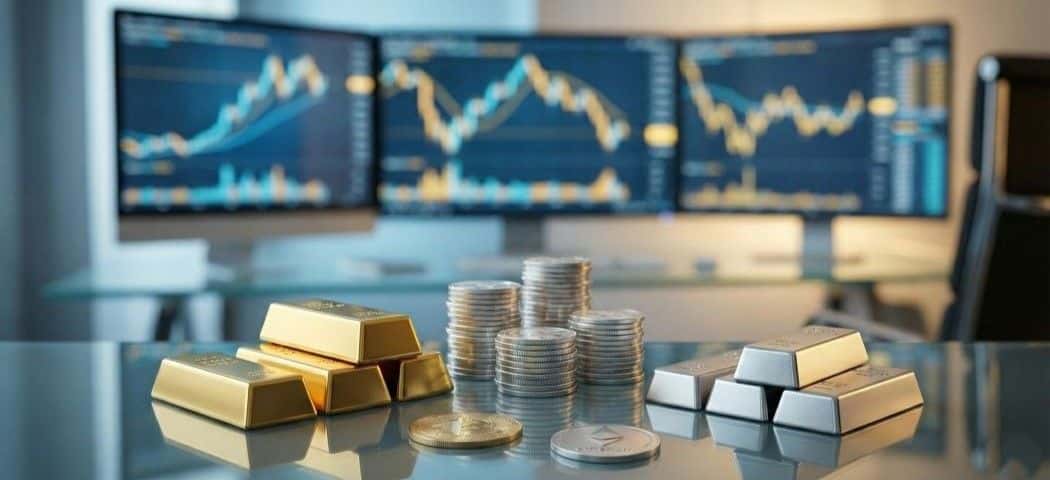
Why Diversification Matters More Than Ever in 2026
Diversification has always been a cornerstone of strong financial strategy, but in 2026 it has become essential. With shifting Federal Reserve policy, geopolitical uncertainty, and volatile equity markets, investors are prioritizing portfolios that balance stability, opportunity, and long-term wealth preservation. Precious metals such as gold, silver, platinum, and palladium continue to play an increasingly central role — especially as inflation pressures and real-yield movements influence the price of gold and the price of silver.
Below, we explore why diversification matters now more than ever, how to structure a resilient 2026 portfolio, and where precious metals and even cryptocurrency fit into today’s investment landscape.
Why Diversification Matters More Than Ever in 2026
This year’s economic environment blends opportunity with unpredictability. Interest-rate cuts may stimulate growth, but they can also weaken the dollar, push real yields lower, and amplify volatility in traditional markets. These conditions often benefit hard assets — especially gold and silver — while increasing the appeal of multi-asset strategies.
Diversifying across metals, equities, cash, and select alternative assets helps reduce exposure to any single economic shock. When one area softens, another may strengthen, creating balance and cushioning risk.
How Precious Metals Strengthen a Modern Portfolio
Precious metals continue to offer unique advantages:
-
Gold acts as a hedge against currency weakness, inflation, and geopolitical uncertainty.
-
Silver offers both industrial potential and safe-haven characteristics, a rare combination that enhances portfolio flexibility.
-
Platinum and palladium bring sector-specific upside, particularly connected to automotive and clean-energy technology.
Including a mix of these metals allows investors to benefit from stability, growth, and niche sector opportunities within a single asset class.
Recommended Allocation Ratios for 2026
While every portfolio is different, many investors use the following allocations as a starting point:
-
Gold: 35–60% (stability and long-term security)
-
Silver: 30–45% (industrial growth potential + wealth preservation)
-
Platinum: 10–15% (speculative industrial upside)
-
Palladium: ~5% (higher volatility, targeted use case)
For those incorporating crypto:
-
Crypto (Bitcoin/Ethereum): up to 5–10%, depending on risk tolerance
These ranges are informational only and not individualized financial advice—but they serve as helpful examples of balanced allocation in the current market environment.
How to Diversify Using Precious Metals
Investors can build a balanced metals portfolio using:
-
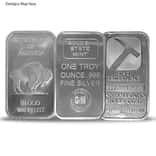
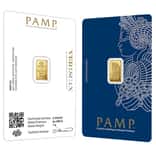
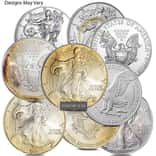
Physical bullion (coins, bars, rounds)
-
IRA-eligible products for long-term tax advantages
-
Collectible or low-mintage numismatic pieces for potential premium appreciation
-
A mix of weights and denominations, allowing both liquidity and scalability
Because the gold price and the silver price react differently to industrial trends, inflation, and interest rates, owning both helps reduce risk while improving long-term resilience.
Should Crypto Be Part of a Diversified Portfolio in 2026?
Crypto remains a high-volatility asset, but increasingly used as a secondary hedge and speculative growth component — particularly when real yields fall or liquidity expands.
Bitcoin offers digital scarcity, while Ethereum is tied to a growing decentralized tech ecosystem. In 2026, both may see renewed interest as rate cuts increase money supply and risk appetite.
Crypto should never replace precious metals, but for some investors, a modest allocation may complement a well-diversified strategy.
Practical Portfolio Examples for 2026
Stability-Focused Investor:
-
60% Gold
-
30% Silver
-
10% Platinum
Growth-Oriented Investor:
-
40% Gold
-
45% Silver
-
10% Platinum
-
5% Crypto
Balanced Multi-Metal Approach:
-
50% Gold
-
35% Silver
-
10% Platinum
-
5% Palladium
These illustrations show how different objectives shape allocation—not one “right answer.”
Choosing the Right Mix for Your Goals
When diversifying, consider the following:
-
Time horizon — Long-term investors may lean more on gold and silver.
-
Risk tolerance — Those comfortable with volatility may include platinum, palladium, or crypto.
-
Market conditions — Rate cuts, inflation forecasts, and industrial demand trends matter.
-
Liquidity needs — A range of denominations improves flexibility.
Bullion Exchanges offers a full selection of gold, silver, platinum, and palladium products to help investors tailor diversification to their personal strategy.
Build a More Resilient 2026 Portfolio
In a year defined by shifting monetary policy and evolving global risks, diversification is one of the most powerful tools available. By blending gold, silver, platinum, palladium, and select alternative assets, investors can strengthen their financial foundation in 2026 while positioning for growth across multiple economic scenarios.
Whether you seek long-term stability or tactical opportunity, Bullion Exchanges provides premium precious metals, competitive pricing, and expert guidance to help you diversify with confidence.