View Charts
Dimes Worth Money: How to Spot Valuable Dimes in Your Change
 8
8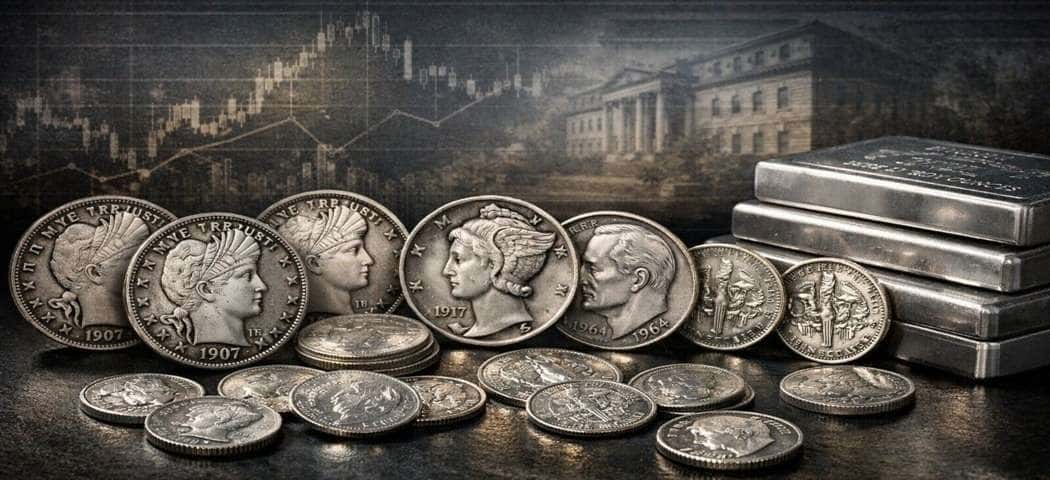
What Makes Some Dimes More Valuable Than Others
Searches for “dimes worth money” are incredibly common, and for good reason. Dimes are small, widely circulated, and easy to overlook—yet some can be worth far more than ten cents. While most dimes found in everyday change are only worth face value, a select group stand out due to silver content, rarity, or genuine minting errors.
Understanding which dimes are worth money requires knowing what to look for and, just as importantly, what not to expect. This guide breaks down the key factors that determine dime values and explains how to identify potentially valuable examples with confidence.
The Most Important Category: Silver Dimes
The most reliable and commonly encountered answer to the question “which dimes are worth money” is silver content. For decades, U.S. dimes were struck in 90% silver, giving them intrinsic value regardless of rarity or condition.
Any U.S. dime dated 1964 or earlier is composed of 90% silver and is widely referred to as a silver dime. Even well-worn examples are typically worth more than face value due to their precious metal content alone, making silver dimes the most accessible entry point into valuable U.S. coinage.
Common silver dime types include:
-
Roosevelt dimes (1946–1964), the most frequently encountered silver dimes
-
Mercury dimes (1916–1945), popular for both design and historical appeal
-
Barber dimes (1892–1916), older issues with stronger collector demand
Silver dimes can be quickly identified by their date and edge. A solid silver-gray edge indicates silver, while modern clad dimes show a visible copper-colored stripe.
Conservative market and auction ranges:
-
Common circulated silver Roosevelt dimes: $2–$4 each, depending on the price of silver
-
Mercury dimes (common dates): $3–$10+, with higher premiums for better condition
-
Barber dimes: $6–$25+, with stronger dates and grades commanding more
While collector premiums vary, silver content alone ensures that these dimes consistently trade above face value.
What Is “Junk Silver” and How Do Dimes Qualify?
In the precious metals market, you’ll often hear the term “junk silver.” Despite the name, it does not mean the coins are worthless or damaged. Junk silver refers to circulated U.S. coins struck in 90% silver that are valued primarily for their metal content rather than numismatic rarity.
Silver dimes dated 1964 and earlier are a core component of junk silver. Because they are small, widely recognized, and easy to trade, they are popular with both investors and collectors. The term “junk” simply distinguishes these coins from rare or high-grade collectibles—not from their intrinsic silver value.
For many buyers, junk silver dimes offer a practical way to gain exposure to physical silver while holding historically recognizable U.S. coinage.
Rare and Key-Date Dimes Worth Money
Some dimes are valuable not just because of silver content, but because very few were made or survived. These are known as key-date dimes, and they represent some of the most sought-after issues in U.S. numismatics.
Well-known examples include:
-
1916-D Mercury dime, widely regarded as one of the most important U.S. silver coins
-
1921 and 1921-D Mercury dimes, struck in very limited quantities
-
Select better-date Barber dimes, particularly from the late 1890s
These dimes are worth money because demand far exceeds supply, especially for coins with original surfaces and minimal wear. Professional grading plays a significant role in determining value.
Conservative auction price ranges:
-
1916-D Mercury dime: $700–$1,500+ in well-worn condition; substantially more in higher grades
-
1921 / 1921-D Mercury dimes: $150–$600+, depending on condition
-
Better-date Barber dimes: $50–several hundred dollars, based on date and grade
Key-date dimes are rarely found in circulation today, but they remain a major driver behind searches for valuable dimes.
Error Dimes That Can Be Valuable
Another category that fuels interest in dimes worth money is mint errors. While many claimed errors are simply damaged coins, certain legitimate minting mistakes can carry meaningful value when properly verified.
Documented examples of collectible dime errors include:
-
Off-center struck Roosevelt dimes, where part of the design is missing but the date remains visible
-
Double die obverse Mercury dimes, showing clear doubling on lettering such as LIBERTY
-
Wrong planchet errors, where dimes are struck on cent or foreign coin blanks
-
Missing clad layer Roosevelt dimes, exposing the copper core beneath the outer layer
These errors occur during the minting process and are distinct from post-mint damage. Authentication is critical, as appearance alone can be misleading.
Conservative auction price ranges:
-
Off-center dimes with visible dates: $50–$300+
-
Double die Mercury dimes: $100–$1,000+, depending on strength and condition
-
Wrong planchet dimes: $200–$1,000+
-
Missing clad layer dimes: $75–$400+
Because error coins are frequently misidentified, expert evaluation is essential before assigning value.
Are Modern Dimes Worth Money?
Most modern dimes dated 1965 to the present are struck in copper-nickel and are generally worth face value. However, a small number of documented exceptions continue to attract collector interest.
Recognized modern dime exceptions include:
-
Proof Roosevelt dimes accidentally released into circulation, identifiable by mirror-like fields
-
Major mint errors, such as broadstrikes or off-metal strikes
-
Transitional planchet errors, including dimes struck on silver or foreign planchets
These coins are rare by nature and should not be confused with minor imperfections or wear.
Conservative auction price ranges:
-
Circulating proof dimes: $20–$100+, depending on condition
-
Major modern mint errors: $100–$500+
-
Transitional planchet dimes: $300–$2,000+, depending on metal and verification
Despite these exceptions, the overwhelming majority of modern dimes remain common.
How Much Are Silver Dimes Worth Today?
The value of silver dimes fluctuates with the price of silver, as each 90% silver dime contains approximately 0.0723 troy ounces of silver. Even when collector premiums are low, silver content alone typically makes these dimes worth several times their face value.
Higher-grade examples, better dates, and certified coins can be worth substantially more than melt value. This blend of intrinsic metal value and collector demand is why silver dimes remain consistently popular.
How to Check If Your Dime Is Valuable
If you’re wondering whether you have a dime worth money, start with a simple checklist:
-
Check the date (1964 or earlier is key)
-
Look at the edge for silver vs. copper
-
Assess the condition (less wear often means higher value)
-
Watch for unusual features or errors
-
Avoid cleaning, which can reduce value
These steps can quickly help determine whether further evaluation is worthwhile.
What to Do If You Think You Found a Valuable Dime
If a dime appears unusual or meets criteria associated with silver, rarity, or errors, the next step is professional evaluation. A reputable coin dealer or numismatic expert can provide an in-person assessment and advise whether professional grading may be appropriate.
Comparing recent auction results can also offer insight into current market demand, but authentication is essential before assigning value—especially for rare dates or error coins.
Most Dimes Are Common, but Some Are Worth Looking For
While most dimes in circulation are worth only ten cents, history shows that certain dimes are indeed worth money. Silver content, key dates, and genuine mint errors are the primary drivers of value, and understanding these factors helps collectors make informed decisions.
For those willing to look closely, even a small coin like a dime can offer meaningful insight into U.S. monetary history—and occasionally, surprising value.
8 Comments